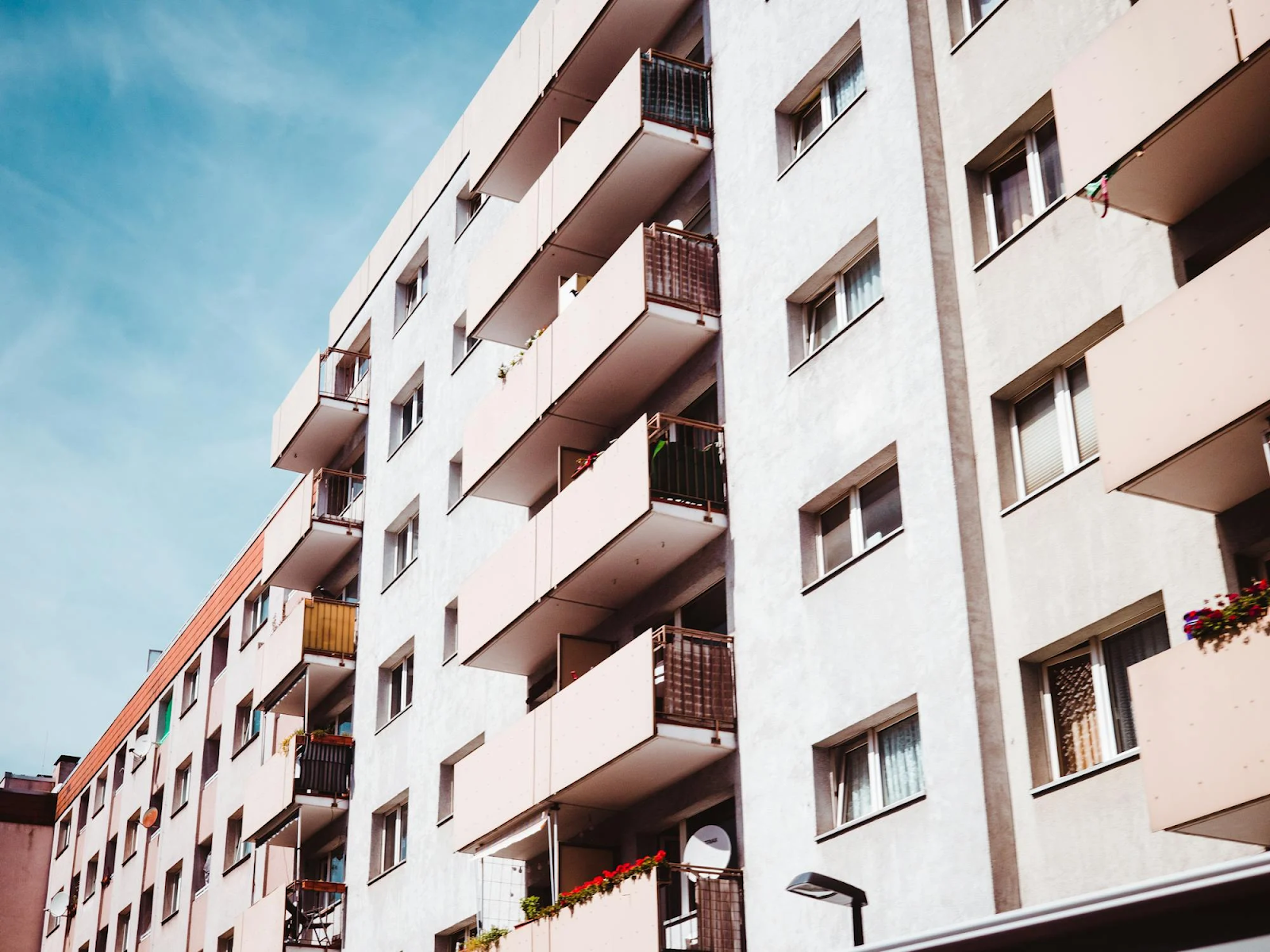
Apartment HVAC is often far more challenging than HVAC installations in other locations. A home, or a large office space, will typically just have a few zones of temperature control that need to be set up. An apartment HVAC system needs to allow for each unique unit to be controlled individually per the preferences of the person living in the unit.
Apartment HVAC systems require extra care when they are installed. You need to be able to allow each resident to be comfortable, or else your building might sit empty for months at a time. Being sure that your apartment HVAC is set up correctly can be key to keeping your rental property full of tenants all year long.
Reasons that HVAC for /Apartments is Unique
There are some big differences between HVAC for apartments and HVAC for other kinds of locations, like houses and commercial spaces. We will talk about those reasons so that you can be better prepared to make informed decisions about the design of your apartment building’s HVAC.
1. Space
The space in apartment buildings is almost always quite limited. There are often many units in one building, and a lack of places to put an HVAC unit. Apartments need to be readily heated and cooled according to the preferences of the residents, but you cannot place noisy HVAC units right outside of each apartment’s front window to heat and cool the interior areas of the building.
Since space is limited, this means that HVAC techs will often have to think outside the box as they are designing the HVAC system for these kinds of spaces. You don’t want all the cold or hot air to flow to just one person’s living space. You need to be sure that your placement of critical parts leads to accurate thermostat control within each apartment.
2. Noise
Apartments can already be noisy due to their location and the number of people packed into a small area. When you install a new HVAC system, you need to make sure that you are not causing any of the residents undue frustration and annoyance due to noisy HVAC systems right outside their apartment.
There are many ways to improve the way that your HVAC units operate. This can help with noise as well as energy efficiency. You will want to look for multi-zone systems, which are ideal for renters living in an apartment, so that they can adjust the temperature in their own space without causing the HVAC unit to click on and off all day long.
The noise of most modern HVAC units is fairly minimal. However, if you have a very large HVAC unit or a lot of smaller units all located in one building, you might find that the noise from the HVAC setup is overpowering.
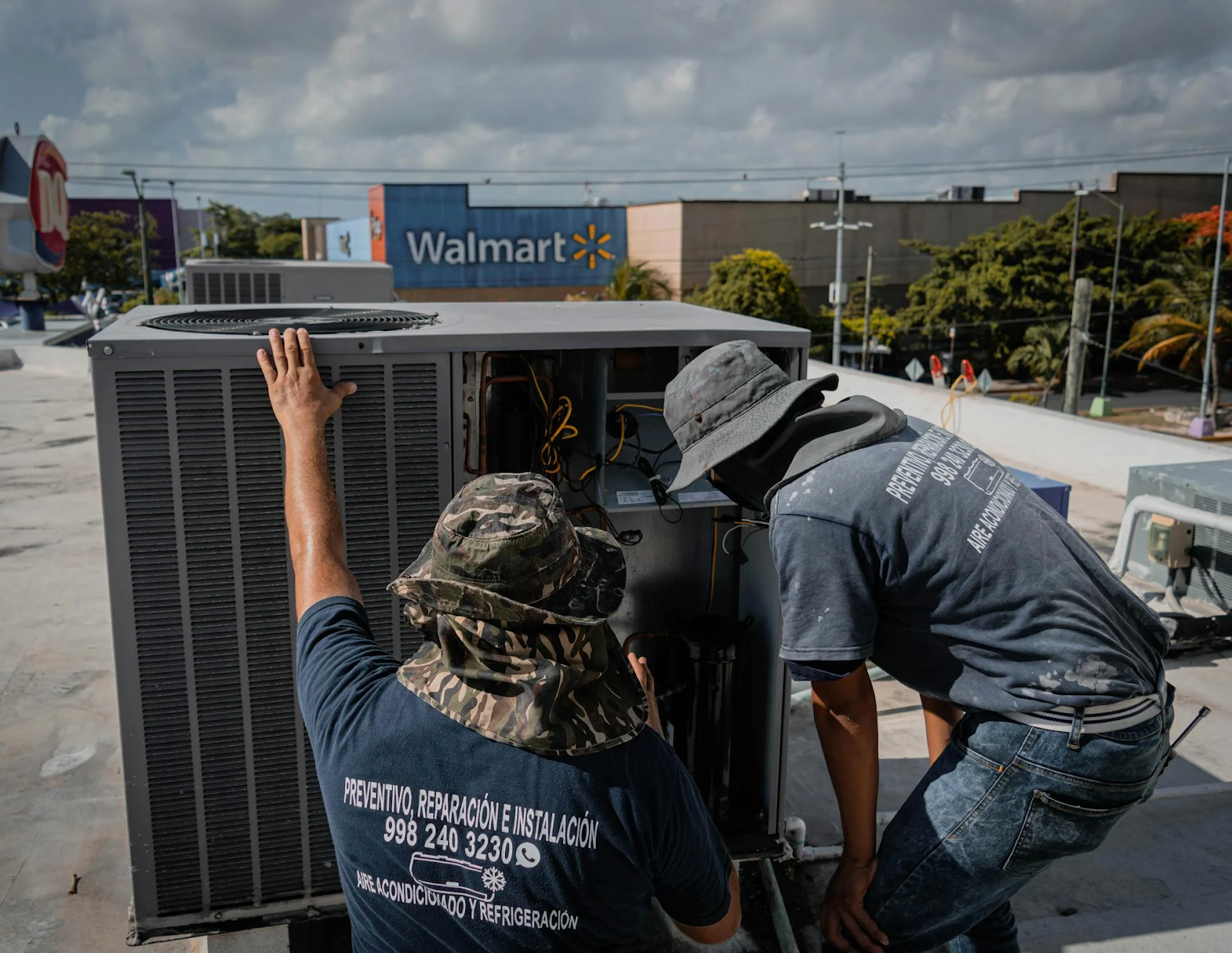 3. Efficiency
Let’s face it: nothing is getting any cheaper. Most people’s heating and cooling costs have gone up exponentially in the last ten years. You cannot afford to install outdated or energy-inefficient units that will make people want to move out as soon as possible.
Efficiency will save you money, and it will also ensure that you are not going to struggle to keep apartments full year-round. You can also add perks like smart hemostats to help make your HVAC system run like a dream. People might make the wrong choices with their heating and cooling installations if they are not aware of just how much smart thermostats can help them save money. Being able to set a program to run until you say that it needs to stop can help you to save money all year long, and it can encourage better habits in your tenants as well.
4. Routing
HVAC setups for apartments have to be built to route into lots of unique living spaces. Other than hotels, there aren’t many other HVAC builds that will require this much planning and care. If the routing from the unit to the apartment is not set up properly, air will not flow as it should into each apartment. This can lead to some apartments being hot, some being cold, and other problems.
Planning out the routing of your HVAC setup is critical in an apartment building, and changes like remodeling or construction might cause problems with a system that is working as it should. Be sure that you are not forgetting about this aspect of the logistics of your HVAC setup if you make changes or as you are building the units for your building.
5. Cost
It can cost a lot more to install an HVAC system for an apartment building due to all of the different complexities of routing, efficiency, and location of units. These considerations can lead to added cost. However, you cannot just skip this step as you are setting up HVAC for an apartment building, so you need to take this aspect of your planning quite seriously.
If you have purchased an existing building and there are issues with the HVAC, the cost for correcting these issues needs to be built into your remodeling and purchase costs. These corrections are not negotiable, as no one will want to live in a building that has issues with heating and cooling.
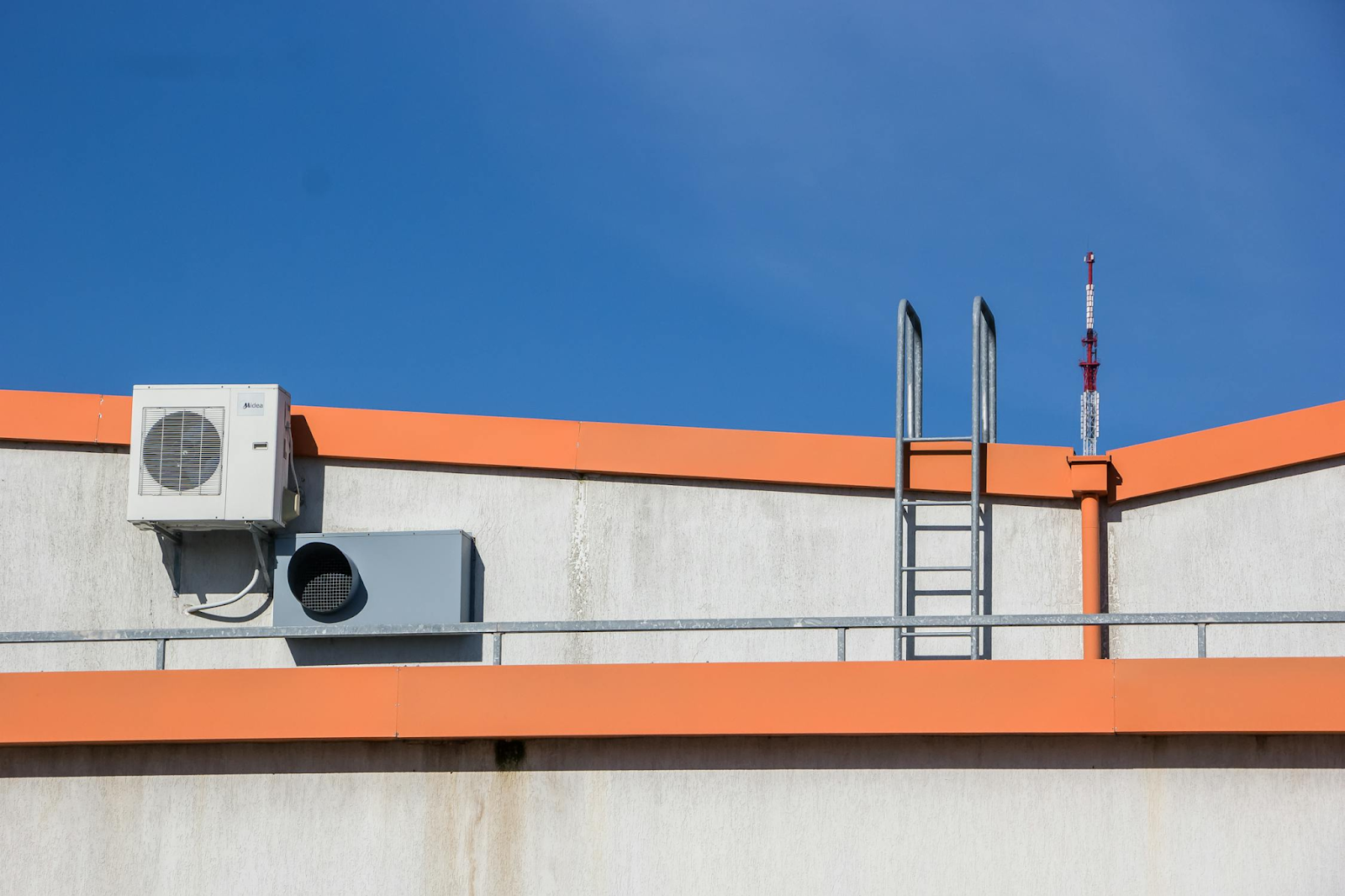 Apartment Building HVAC Systems Are More Complex Than You Might Think
There are lots of factors to keep in mind when you are investing in upgrades to your existing HVAC for an apartment or installing a new system from scratch. The fact that there are so many different units that need to get access to heat and AC throughout the year, and the fact that you need to save space and maintain efficiency, can make planning the right HVAC system a little tough.
Working with an expert installation team can make all the difference when it comes to installing an HVAC system that will work perfectly for your apartment complex. You should have no trouble taking care of your residents with this guide in mind.