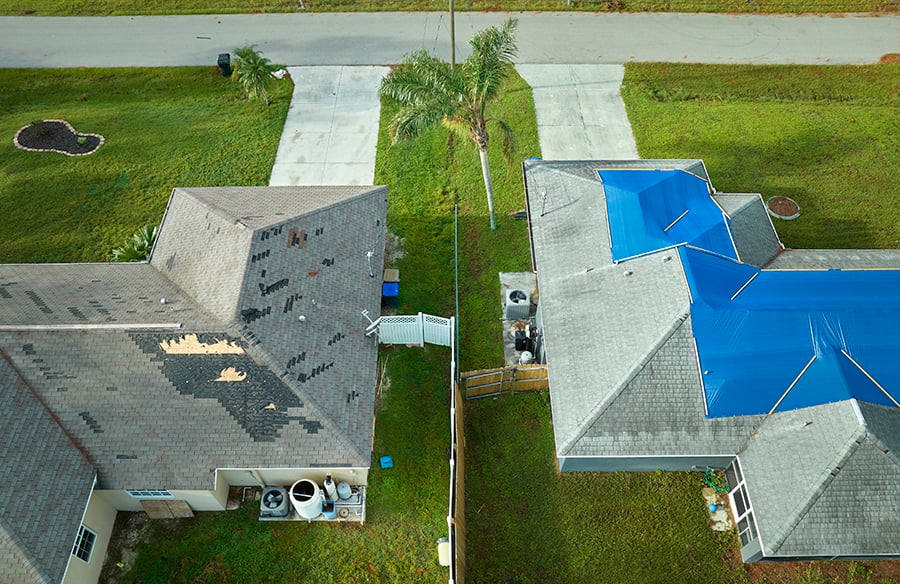
That dreaded drip from the ceiling, the slowly spreading water stain, or that unmistakable musty smell—let’s be honest, a leaking roof is a strata resident’s nightmare. Beyond the sheer inconvenience and potential for serious damage, a leaky roof often kicks off a stressful guessing game: who’s actually supposed to fix this mess? Is it up to the individual apartment owner, or does the buck stop with what many call “building management” (more accurately, the Owners Corporation)? It’s a common headache, but getting a clear picture of how strata ownership works can really help clear the air.
Getting to Grips with Strata: Common Property and Your Own Space
Before we pinpoint who calls the plumber for that leaky roof, it’s super helpful to understand the A-B-Cs of strata living.
What exactly is a Strata Scheme?
Think of a strata scheme as a community within a building or complex. It’s a popular setup in Australia where individuals own their apartment or townhouse (their ‘lot’), but everyone shares ownership and responsibility for the ‘common property’—all’ the bits and pieces used by multiple residents. The group that represents all the owners and looks after this shared stuff is the Owners Corporation (OC). Effectively running an OC and ensuring all responsibilities are met often relies on professional strata management.
Common Property vs. Your Lot: Drawing the Line
Knowing what’s common property and what’s part of your individual lot is the absolute key to figuring out who fixes what.
- Common Property: This is usually the main structure of the building—things like the foundations, external walls, the roof itself, ceilings (but not usually the paint on your side), and floors (again, not usually your carpet or tiles). It also covers shared facilities like lobbies, stairwells, lifts, driveways, gardens, and the pool if you have one. The Owners Corporation has a clear legal duty to keep all common property in good repair.
- Lot Property: This is basically the airspace inside your unit and everything within its boundaries, as shown on the strata plan. Think of internal walls (the non-structural ones), your paint job, floor coverings like carpet or tiles inside your apartment, your kitchen cupboards, bathroom fittings, and all your belongings. As the lot owner, you’re responsible for looking after and fixing things within your own four walls.
The ultimate decider for what’s what in your specific building is its registered strata plan—that’s the official map.
The General Rule of Thumb: Who Tackles Roof Leaks?
So, when water starts dripping from above, the general rule is pretty straightforward: it usually lands in the Owners Corporation’s court.
The Owners Corporation Steps Up
In almost every strata setup, the roof is a classic common property. The law (in NSW, it’s the Strata Schemes Management Act 2015) is quite firm: the Owners Corporation must properly maintain and keep the common property in a state of good and serviceable repair. What this means in plain English is that if the leak is coming from the common property roof—say, because of cracked tiles, a failed waterproofing membrane, dodgy flashings, or even blocked gutters that are part of the common system—the OC needs to get it sorted. This includes paying for someone to find the cause and carry out the repairs to that common property element.
But What If It’s the Owner’s Fault?
While the OC usually picks up the tab for roof dramas, there are a few curveballs. A lot owner might find themselves responsible if:
- They Caused the Damage: The leak happened because of something the owner (or their tenant or guest) did—maybe they installed a satellite dish incorrectly and pierced the roof membrane or were negligent in some other way.
- It’s Their Own Fixture: The leak is coming from something that’s definitely the lot owner’s responsibility, like a private skylight they installed (and are supposed to maintain, according to the bylaws or their approval).
- Unapproved DIY: An owner tinkered with common property without getting the OC’s permission, and those changes caused the leak.
When It’s Not So Black and White: Finding the Real Source
Roof leaks can be sneaky. What looks like one problem can sometimes be another, making it tricky to assign responsibility without a good look.
Don’t Assume It’s Just the Roof Tiles
You see a leak in your top-floor apartment, and it’s easy to jump to the conclusion that the roof itself has failed. But sometimes, the water is coming from somewhere less obvious. Blocked gutters and downpipes (which are common property) can cause overflows. Rooftop air conditioning units serving common areas might spring a leak. Even a problem with waterproofing on a common property balcony directly above could look like a roof leak from inside. That’s why getting a qualified expert, like a licensed plumber or specialist roofer, to diagnose the problem properly is so important before anyone starts ripping things apart.
By-Laws & Exclusive Use Areas: The Plot Thickens
Every strata scheme has its own set of rules, called by-laws. These can sometimes tweak who’s responsible for what, especially for areas that someone has “exclusive use” of. For example, a top-floor apartment might have an exclusive use bylaw for a big terrace or balcony that’s technically part of the roof structure. The bylaw might say the owner has to keep that surface clean, but the underlying structural bits usually stay the OC’s job. Untangling these details is often where good management really shows its worth, helping everyone understand who’s responsible for what by interpreting these often-complex documents and ensuring the Owners Corporation is on top of its game.
The Aftermath: Who Pays for My Damaged Ceiling?
This is a common headache. If a leak from the common property roof (which the OC has to fix) damages the inside of your apartment—say, your ceiling, carpets, or walls—who pays for that? Generally, the Owners Corporation fixes the source of the leak (the roof). For the damage inside your lot, you’d typically look to your own home contents insurance or, if you’re a landlord, your landlord insurance. However, if you can show the Owners Corporation was negligent—for example, they knew about a roof problem for ages and did nothing, leading to your damage—then they might also have to cover your internal repair costs.
What to Do When You Spot That First Drip: A Clear Action Plan
A calm, methodical approach works best when you discover a leak.
Step 1: Sound the Alarm—Immediately!
The moment you notice a leak, tell your strata manager or someone on the strata committee (if your scheme manages itself)—and do it in writing. Give them all the details: where the leak is, when you first saw it, how bad it seems, and if you can, send photos or a quick video. Don’t delay; quick reporting can prevent a small problem from becoming a huge one.
Step 2: Investigation Time (and Playing Your Part)
The strata manager, acting for the OC, will usually get qualified tradespeople in (a plumber, a roofer) to investigate, find the source, and figure out if it’s a common property problem. As a lot owner, you’ll need to allow reasonable access to your apartment if the source seems to be there or if they need to get through your place to check common property.
Step 3: Getting It Fixed and Staying in the Loop
Once it’s confirmed that a common property element is to blame, the Owners Corporation gives the green light and covers the cost of repairs. Your strata manager will coordinate all this. Good communication is key here, so the strata manager or committee should keep affected residents updated on what’s happening and when repairs are scheduled.
Playing the Long Game: Prevention and Smart Governance
As the old saying goes, an ounce of prevention is worth a pound of cure. Being proactive is your best defence against roof leaks. This means
- Having a regular maintenance schedule for the building. This should definitely include roof check-ups, gutter cleaning, and looking over any waterproofing membranes.
- Making sure the Capital Works Fund (what used to be called the Sinking Fund) has enough cash set aside for big jobs like major roof repairs or even a full replacement down the track.
- Working with a professional strata manager who can guide the owners corporation on what needs maintaining, help create solid maintenance plans, and make sure everything’s done by the book.
Wrapping It Up: Clarity and Teamwork Make the Dream Work
So, while the Owners Corporation generally takes the lead on fixing leaks from the common property roof, it’s not always cut and dried. The specific details of your building’s bylaws and exactly where the water is coming from can sometimes make things a bit more complex. Clear communication between owners, the Owners Corporation, and your strata manager, along with a solid understanding of your strata plan, is really the best way to sort these issues out smoothly and keep your strata community a great place to live. And if you’re ever really stuck or unsure, getting advice from an experienced strata management firm is always a smart move.