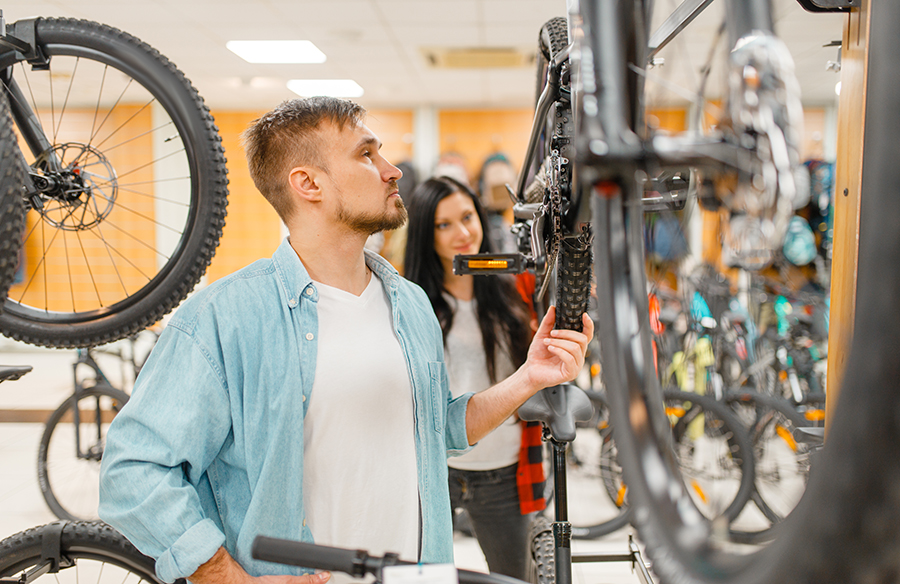
Choosing the perfect bike can feel overwhelming, especially with so many types, features, and styles available today. Whether you’re a casual rider, a fitness enthusiast, a commuter, or an adventure-seeker, there’s a bike suited just for you.
But how do you determine which one fits your lifestyle, budget, and riding goals? This guide will help break down the essential factors to consider when choosing the perfect bike for your needs.
Understand Your Purpose
The first and most important step in choosing Progear Bikes is identifying what you want to use it for. Here are some common categories:
Commuting: If you need a bike to get to work or school, look for something comfortable, reliable, and suited for urban roads.
Fitness: For those aiming to stay in shape, a lightweight road or hybrid bike might be best.
Leisure/Casual Riding: A comfort or cruiser bike is a fantastic option if you want to ride on the weekends through parks or your neighborhood.
Off-Road/Trails: For rugged terrain, a mountain bike with suspension and durable tires is ideal.
Touring or Long Distance: Touring bikes are built for carrying gear and enduring long rides.
Performance and Racing: High-end road bikes built for speed and efficiency suit this purpose.
By knowing how you’ll use your bike most often, you’ll already narrow down your options significantly.
Learn the Main Types of Bikes
Here’s a brief overview of the most common types of bikes and what they’re best for:
Road Bikes: Designed for speed and distance on paved roads. They have thin tires, drop handlebars, and are lightweight.
Mountain Bikes: Built for off-road cycling, featuring suspension systems and wide, knobby tires for traction on rough terrain.
Hybrid Bikes: a hybrid of mountain and road bikes. Excellent for casual trail use and commuting.
Cruiser Bikes: Stylish, comfortable, and perfect for flat, leisurely rides.
Electric Bikes (E-bikes): Ideal for commuters or those needing assistance, they offer motorized support to make pedaling easier.
Folding Bikes: Compact and convenient for city dwellers or travelers with limited storage.
Each type comes with its own benefits, so try to match the features with your main reason for riding.
Consider Frame Material
Bike frames are typically made of one of four materials:
Aluminum: Lightweight, affordable, and rust-resistant. Great for beginners and casual riders.
Steel: Heavier but extremely strong and offers a smooth ride. Often used in touring and retro-style bikes.
Carbon Fiber: Very lightweight and strong but also expensive. Mostly found in high-end road or racing bikes.
Titanium: Combines strength, lightness, and durability, but comes with a high price tag.
Your choice will depend on your budget, desired comfort, and how much weight you’re willing to deal with.
Choose the Right Size
One of the most critical aspects of bike shopping is getting the right size. A properly fitted bike ensures comfort, safety, and efficiency.
Check the Frame Size: Typically, this is expressed in centimeters or inches. It matches the length of your legs and your height.
Adjust Seat and Handlebar: Make sure you can reach the handlebars comfortably and extend your legs while pedaling without locking your knees.
Test Ride: If possible, test ride a few bikes to find one that feels natural and balanced.
Many online charts are available to guide you based on your height, but it’s always best to consult with a bike shop professional.
Consider Gears and Brakes
Gears: Bikes can have anywhere from a single gear to over 30. More gears make hill climbing easier but may not be necessary for flat areas. Choose based on your terrain and fitness level.
Brakes: Common types include rim brakes, disc brakes (mechanical or hydraulic), and coaster brakes. Disc brakes provide superior stopping power, especially in wet or muddy conditions.
Budget Wisely
Your budget will impact your choice significantly. Entry-level bikes start around a few hundred dollars, while high-end models can go into the thousands. Consider:
Initial Cost: Don’t spend more than you can afford, but remember that cheap bikes might wear out faster.
Long-Term Maintenance: Better quality often means less frequent repairs and part replacements.
Accessories: Don’t forget to budget for a helmet, lights, lock, water bottle holder, and maintenance tools.
Think About Storage and Transport
Where you’ll store your bike and how you’ll transport it matters too. If you live in a small apartment, a folding bike or a wall-mounted rack could be ideal. For those with cars, consider whether your bike fits on a rack or inside your vehicle.
Ask for Expert Help
When in doubt, visit a local bike shop. Staff can offer valuable advice, allow you to try different models, and help with adjustments. Many shops also provide maintenance services and bike fitting sessions.
Choose the Perfect Bike
Choosing the perfect bike is all about matching your personal needs and preferences with the right features. Don’t rush the process—do your research, test different styles, and make sure the bike fits both your body and your lifestyle. Whether you’re cruising the city, hitting trails, or racing toward your fitness goals, the right bike will make every ride more enjoyable.