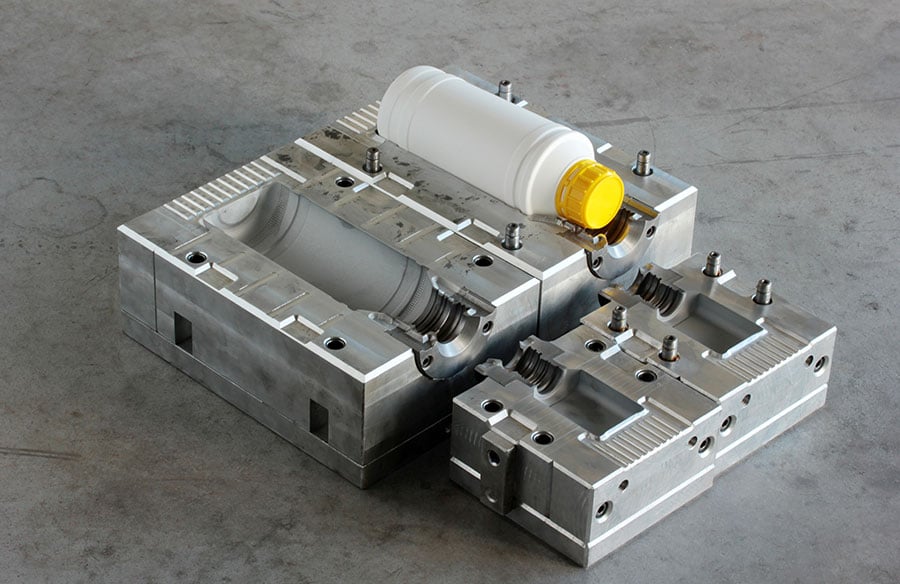
If you are a supply chain manager or purchasing agent in the construction industry, you know the stakes are high when transferring injection molding tools. A single misstep by choosing the wrong supplier, overlooking equipment compatibility, or missing a critical red flag, can derail production, inflate costs, or delay a project. Mold tooling transfers, where molds are moved between facilities or suppliers to produce construction components like PVC fittings, facade panels, or roofing tiles, demand precision and trust. The right supplier can make the process seamless; the wrong one can turn it into a nightmare.
I’ve spent years navigating the complexities of mold transfers, from small scale operations to mega projects. The construction industry isn’t forgiving, deadlines are tight, budgets are tighter, and quality is non-negotiable. That’s why picking the right supplier is a strategic decision that can make or break your project. This guide will help you with practical tools to evaluate suppliers, key questions to ask, and warning signs to watch for.
Why Supplier Selection Matters in Mold Tooling Transfers
Injection molding is the foundartion of many construction components. Whether it’s producing durable window frames or lightweight insulation panels, the molds used in these processes are precision engineered and often represent significant investments and could cost thousands of dollars. Transferring these molds to a new supplier involves more than just shipping them across town or across the globe. It requires technical expertise, compatible machinery, and a supplier who understands the special demands of construction grade parts.
A supplier who messes up the transfer can cause defects, production delays, or possibly damage the mold itself. If a mold for structural brackets arrives at a new facility, only to find the supplier’s injection molding machines can’t handle the required pressure. Or the supplier skips the pre-transfer validation, leading to warped components that fail quality checks. This isn’t a hypothetical. It’s one of the many risks I have seen play out in this business.
Choosing the right supplier isn’t just about checking the boxes, it is about building a partnership that ensures your molds, your production, and your reputation stay intact. This is why it is vital to know what to look for.
Key Criteria for Evaluating Suppliers
When searching for suppliers for your mold tooling transfers, focus on these three things: technical expertise, equipment compatibility, and a proven track record. Each plays a critical role in ensuring a smooth transfer and consistent production quality.
1. Technical Expertise: Do They Know Their Stuff?
Mold tooling transfers aren’t plug-and-play. They require an in-depth knowledge of injection molding, mold maintenance, and the specific requirements of construction components. A supplier with strong technical expertise can anticipate challenges, troubleshoot issues, and maintain the mold’s integrity throughout the transfer.
Look for suppliers with engineers on staff who specialize in injection molding. Ask about their experience with construction materials like ABS, polycarbonate, or reinforced composites. A supplier who handles molds for similar applications, such as producing modular wall panels or drainage systems, will understand the tolerances and quality standards your project demands.
Request case studies or references from past mold transfer projects. If they hesitate or can’t provide concrete examples, that’s a red flag. A supplier that is confident in their skills and knowledge will be eager to show off their expertise.
2. Equipment Compatibility: Can Their Machines Handle Your Molds?
Here is a story I recently heard from a colleague. A construction firm transferred a mold for window frame extrusions to a new supplier, and discovered the supplier’s machines lacked the clamping force needed for production. The result was weeks of delays and thousands in rework costs. Equipment compatibility is non-negotiable.
Before signing a contract always verify that the supplier’s injection molding machines match your mold’s specifications. Key factors and questions include:
- Clamping force: Does the machine have enough power to hold the mold during high-pressure injection?
- Shot size: Can the machine deliver the right volume of molten plastic?
- Tooling setup: Are their systems compatible with your mold’s cooling lines, ejector pins, and mounting configurations?
Ask for a detailed equipment list and, if at all possible, visit the facility to see the machines in action. If the supplier can’t confirm compatibility upfront, you are taking a risk with your project’s timeline.
3. Track Record: Have They Done This Before?
Experience matters, especially in the construction industry, where delays can trickle down across entire projects. A supplier with a strong track record in mold transfers will have systems in place to manage logistics, validate molds, and ensure quality control. Look for suppliers who have worked on construction projects similar to yours, whether it’s producing roofing tiles, pipe fittings, or structural brackets.
Check their history of on time delivery and defect rates. Ask about what experience they have with international transfers if your molds are crossing borders. A supplier who has navigated customs, shipping regulations, and global supply chains will save you headaches. If they have only handled small, local transfers, they might not be ready for the complexity of your project.
Questions to Ask Potential Suppliers
To get a clear understanding of what the supplier is capable of you need to ask the right questions. These can not just be surface level questions. You need to find out what their expertise, reliability, and potential weaknesses are. These are five questions you can start with:
- What is their process for authenticating the molds before production: A good supplier will describe a rigorous validation process, including dimensional checks, trial runs, and material testing. Vague answers or not being able to give details suggest they may be cutting corners.
- How do they handle the maintenance of the mold during and after the transfer: Molds can diminish if not properly stored or handled. Look for suppliers with a clear maintenance protocol, such as cleaning, lubrication, and regular inspections.
- Ask if they can provide examples of mold transfers for construction components: This question will test their industry experience. Ask for specifics including materials used, component types, and project scale. Again, vague responses can be a red flag.
- What is the process if there is a production issue after the transfer: An experienced supplier will have a backup plan, such as house troubleshooting or rapid response teams. They might not be prepared for setbacks, if their answers are not precise.
- How will they ensure an on-time delivery during the transfer process: Deadlines can make or break construction projects. A supplier should be able to outline their logistics plan, including timelines for mold transport, setup, and first production runs.
These questions aren’t just about gathering information, they are a clear signal to the supplier that you are serious and expect accountability. Don’t be afraid to dig deeper if their answers feel incomplete.
Red Flags to Watch For
Even the top suppliers can have hidden weaknesses. Keep an eye out for the following possible warning signs:
- Lack of Transparency: If a supplier can’t provide detailed answers about their equipment, processes, or past projects, that could mean that they are either unprepared or not telling the whole story.
- Overpromising: Watch out for suppliers who guarantee unrealistic timelines or rock bottom prices. Mold transfers take time and care,cheap and fast can often mean sloppy.
- No On-Site Expertise: Outsourcing engineering or maintenance by suppliers increases risk. In-house expertise speeds up solutions.
- Poor Communication: Slow or unclear email responses during evaluation can signal future poor project handling. You need a responsive, transparent partner.
- No Quality Certifications: Certifications like ISO 9001 aren’t everything, but their absence can potentially indicate a lack of formal quality control processes.
Spotting these red flags early can save you from costly mistakes. Trust your gut, if something feels off.