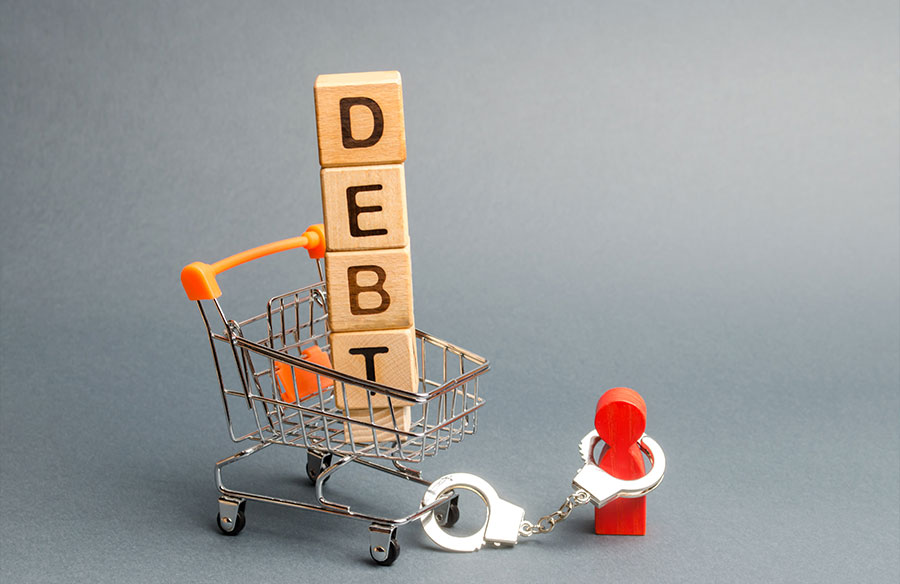
Debt isn’t always something people plan to get into. At first, it might seem like a small solution to a temporary problem. Maybe you need a little extra cash to cover an emergency or a surprise expense. For example, a pink slip loan, which uses your vehicle as collateral, might seem like an easy way to get quick cash. But as time passes, borrowing money can quickly become a habit, and before you know it, you’re stuck in a cycle of debt.
The debt cycle is easy to fall into but incredibly hard to escape. It happens when you borrow money that you can’t fully pay back, often just to make ends meet. To put it simply, you take out a loan or use a credit card to cover your expenses, but then, when the bill comes due, you can’t pay it in full. So, you borrow more money or put it on another credit card to stay afloat. This is how the cycle starts—and how it keeps going, sometimes without you even realizing it.
Let’s take a deeper look at how debt becomes a cycle and what you can do to break free from it.
The Initial Borrowing: A Quick Fix
The debt cycle often begins with a simple decision: borrowing money to handle an immediate need. It could be a medical emergency, car repairs, or even an unexpected bill. If you don’t have enough savings to cover the cost, you may turn to borrowing options like loans or credit cards.
At first, borrowing money feels like an easy way out of a tough situation. If you’re in need of fast cash, a pink slip loan might seem like a practical solution, as it allows you to borrow money based on the value of your car. For some, it feels like a quick fix that helps them manage day-to-day life. However, what seems like a temporary solution can quickly lead to a more complicated financial situation.
The problem is, loans and credit cards aren’t free money. They come with interest rates, fees, and deadlines. If you don’t have a plan to pay back the loan, you might end up carrying a balance that keeps growing. This is the start of the cycle—the moment you borrow money but don’t have the means to pay it back in full.
The Snowball Effect: Borrowing to Pay Off Debt
Once you’ve borrowed money, the next step is paying it back. At least, that’s the goal. But here’s where things can start to go wrong. Many people, especially those who don’t have enough money saved up, end up relying on more loans or credit cards to pay off existing debt.
For example, you might find yourself using your credit card to make the minimum payment on another credit card. Or, you may take out a personal loan to pay off an older loan, just to be left with a new debt to tackle. This approach can work in the short term, but in the long run, it just creates more financial stress.
Instead of reducing your debt, you’re simply shifting it around, without addressing the root cause of the problem. This is what creates the cycle: You’re not really getting out of debt; you’re just borrowing more to cover the old debt, making it harder to pay it off.
Paying More Than the Minimum: A Necessary Strategy
If you want to get out of the debt cycle, one of the best strategies is to start paying more than the minimum amount due. When you make just the minimum payment on your credit card or loan, most of your payment goes toward paying off the interest, not the actual balance. As a result, it can take years to pay off your debt, and during that time, you continue to pay more interest.
Let’s say you have a $1,000 credit card balance at a 20% interest rate. If you only make the minimum payment, it could take years to pay it off, and you’ll end up paying hundreds of dollars in interest. By paying more than the minimum, you can reduce the principal balance faster, saving money in the long run.
This is where budgeting comes in handy. Setting a clear plan for your spending and prioritizing your debt repayment can help you allocate more money toward paying down your balances. The more you can pay off each month, the sooner you’ll escape the cycle.
Cutting Spending: A Key Part of the Solution
Breaking free from the debt cycle also requires cutting back on unnecessary spending. If you’re already struggling with debt, it’s important to take a hard look at your finances and find areas where you can reduce your expenses.
This doesn’t mean you have to stop enjoying life altogether, but identifying things you can live without can make a huge difference. For example, you might consider cutting back on eating out, canceling subscriptions you don’t use, or finding cheaper alternatives for everyday items.
By reducing your spending, you can free up more money to pay off your debt. The less you spend, the less you need to borrow, and the quicker you can eliminate your balances. It’s all about living within your means and finding ways to save in the short term to achieve long-term financial health.
Creating an Emergency Fund: A Safety Net
Another key step in avoiding the debt cycle is to start building an emergency fund. If you’re constantly borrowing money to cover unexpected expenses, it’s a clear sign that you don’t have a financial cushion to fall back on.
An emergency fund is a savings buffer that can help you cover unexpected costs, like car repairs, medical bills, or even a job loss. By setting aside a small percentage of your income each month, you can slowly build up an emergency fund that will prevent you from relying on loans in the future.
Even if it’s just $50 or $100 a month, the goal is to create a financial safety net that keeps you from having to borrow money when life throws you a curveball. Once you have a safety net, you’ll be less likely to resort to credit cards or loans when emergencies arise.
Final Thoughts: Breaking the Cycle
Getting out of the debt cycle isn’t easy, but it is possible. It requires a combination of reducing spending, paying more than the minimum, and building a safety net to handle future expenses. Most importantly, it requires awareness. Understanding how easily you can fall into a cycle of borrowing is the first step to breaking free from it.
Instead of borrowing money just to stay afloat, focus on eliminating your existing debt. Take small steps each month to reduce what you owe, and soon enough, you’ll find yourself in a better financial position. The key is to stop borrowing more to pay off your debt and start paying down your balances with a clear plan.
The debt cycle may seem unbreakable, but with patience, discipline, and a little financial planning, you can work your way out of it and set yourself up for long-term financial success.