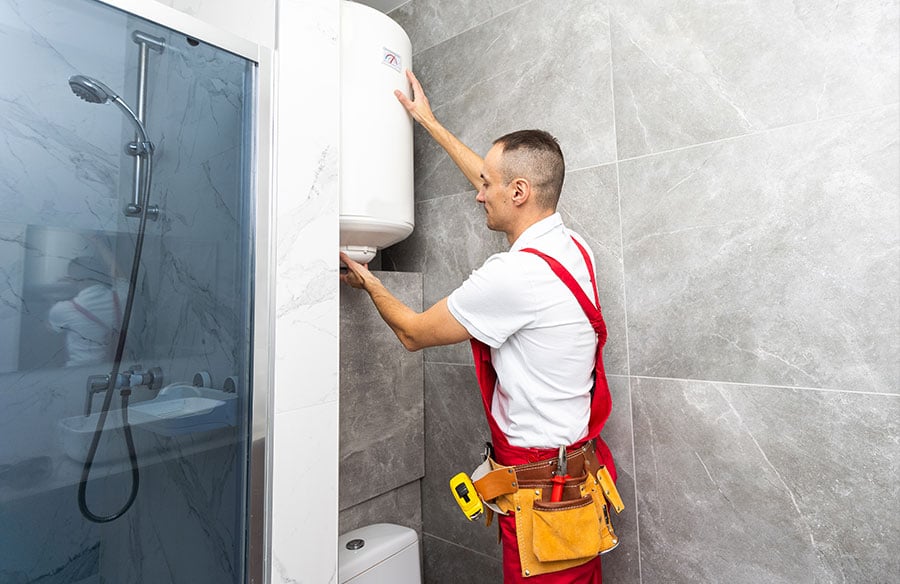
Planning a home renovation can be an exciting journey—one that transforms outdated rooms into stylish, functional spaces. Whether you’re refreshing a bathroom, upgrading the kitchen, or doing a full-house overhaul, every detail counts. Homeowners often obsess over cabinetry finishes, tile patterns, and lighting schemes—but one critical feature gets overlooked far too often: the water heater.
While it’s usually tucked away in a closet or garage, your water heater plays a vital role in everyday comfort. During renovation, ignoring this essential system can lead to a mismatch in aesthetics, potential damage, or costly plumbing surprises down the road.
In fact, if you’re already investing in a home update, it may be the perfect time to consider replacing your outdated unit. For those in the Seattle area, https://bens.plumbing/services/water-heater-repair-seattle/replacement/ offers convenient and professional water heater replacement services to ensure your remodel is complete—right down to the mechanical details.
Why Water Heaters Get Overlooked During Renovations
During design discussions, water heaters rarely make it onto the vision board. That’s understandable—they’re utilitarian by nature and usually hidden. However, integrating them into your renovation plan can save both time and money.
Homeowners often assume that if the water heater is still functioning, there’s no reason to touch it. But that mindset can backfire when:
- A sleek new bathroom is completed, only to be paired with an aging, rust-streaked tank in plain sight.
- A layout change requires the water heater to be moved—but it’s too old or bulky to relocate efficiently.
- The added demand from new fixtures or a larger tub exceeds the heater’s capacity, resulting in performance issues or early failure.
The Hidden Risks of Keeping an Old Unit
Water heaters don’t last forever. In fact, most conventional tank models have a lifespan of 8 to 12 years. An older unit may still function, but it can pose hidden risks that undermine your entire renovation.
These risks include:
- Leaks and Water Damage: Renovation adds pressure to the system. That stress can cause aging tanks or connections to leak—sometimes months after the project ends.
- Inconsistent Water Temperature: A failing heating element can leave you with lukewarm showers or sudden cold water, spoiling the comfort of your new space.
- Reduced Efficiency: New appliances and systems may be designed for eco-efficiency, while an outdated water heater wastes energy and raises utility bills.
- Aesthetic Disruption: A gleaming bathroom loses visual harmony when paired with a yellowing, bulky heater in view or behind glass doors.
A remodel is the ideal moment to upgrade to a more modern, compact, or energy-efficient unit—especially if the current one is nearing the end of its expected life.
How to Seamlessly Include Your Water Heater in Renovation Plans
Incorporating your water heater into your renovation strategy doesn’t mean you have to spend a fortune. With smart planning and expert advice, it becomes a streamlined part of the process.
Here’s how to stay ahead:
- Evaluate Age and Condition: If your unit is over 8 years old, have a plumber assess whether it’s nearing replacement.
- Consider Design Integration: In visible areas, choose sleek tankless models or build custom cabinetry to conceal larger tanks.
- Plan Around Capacity: If you’re adding more bathrooms or high-flow fixtures, ensure the heater can meet the new demand.
- Coordinate with Contractors: Let your remodel team and plumbing professional communicate directly so water heater upgrades are aligned with layout changes and inspections.
When to Call in the Pros
If you’re already budgeting for a renovation, allocating a portion to inspect—or even replace—your water heater is a wise move. Licensed plumbers can help evaluate whether your current system is fit for the updated space, and advise on energy-saving or space-saving models if needed.
Renovation presents the perfect opportunity to handle water heater upgrades with minimal disruption. Doing so now prevents frustration later when that “last thing on the list” suddenly becomes the most urgent issue in your home.
Your home renovation deserves to be as functional as it is beautiful. Skipping over the water heater might seem like a small oversight, but it can compromise both comfort and design. By addressing this essential system during your remodel, you ensure every element of your home works in harmony—behind the walls and in plain sight.
After all, a sparkling new bathroom or kitchen deserves hot water that’s just as reliable—and a heater that doesn’t belong in the last decade.