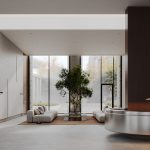
Coastal homes in Australia rank among the most desirable housing styles in the last decade. These architectural trends have turned traditional beachside properties into contemporary havens that balance style with functionality.
The growing popularity has sparked a move in coastal house designs. Open-plan living spaces are now the life-blood of modern beach house architecture. These homes celebrate the seamless flow between indoor and outdoor living with light-filled interiors and flexible designs that accept natural elements. The complete renovation or simple updates to your coastal property can transform your space into a modern coastal sanctuary through the most effective improvements.
Modern upgrades for coastal exteriors
Living by the coast means your home’s exterior needs materials that can handle tough conditions. Salt in the air, high humidity levels, and strong winds quickly break down regular building materials. Your home needs special materials that are both long-lasting and stylish.
One of the most transformative improvements for Australian coastal homes is the addition of quality security screens and doors. These essential features allow you to leave your home open to capture cooling breezes while maintaining safety and privacy. For homeowners along the eastern seaboard, security doors Gold Coast specialists can provide customised solutions that complement your home’s aesthetic while offering maximum protection. These professionals understand the unique challenges of coastal environments and can recommend corrosion-resistant materials specifically designed for seaside conditions.
The roof material you choose makes all the difference at the time you build near the Australian coast. Regular asphalt shingles don’t hold up well in these conditions. Metal roofing is a great alternative. Aluminium roofing naturally creates a protective oxide layer that shields against saltwater damage. Ultra-grade steel works well too, especially since it’s made just for coastal areas with special coatings that fight salt spray corrosion.
Marine-grade stainless steel works best if your home sits within 100 metres of breaking surf. Its stainless steel base makes it perfect to handle severe coastal conditions. Marine-grade aluminium gives you another lightweight yet strong option that’s ideal for seaside environments.
Modern cladding has come a long way from traditional timber weatherboards that need constant upkeep near the coast. Today’s fibre cement weatherboards give you that classic horizontal coastal look without the maintenance headaches. These materials won’t expand or rot from moisture exposure, which makes them ideal for beach environments.
Today’s coastal homes often feature bright white cladding that adds beach charm easily. The design usually includes angular skillion, bold gable, or flat roof styles that create clean lines for a modern beach look.
Glass sliding doors, louvres, and screens help blend indoor and outdoor spaces naturally. Louvred windows cool your home efficiently and look distinctly coastal. You can keep them open during light rain because their angled design keeps water out. They also come with flyscreens to block insects.
Modern patios with open floor plans create perfect spots to relax or entertain. These spaces celebrate natural light and capture that special coastal feel everyone loves.
Interior improvements for a modern coastal feel
Modern coastal design revolves around creating peaceful interior spaces. A beach-inspired home shines through light-filled rooms where natural textures and soft colours blend to create a peaceful atmosphere.
Modern coastal interiors start with a well-planned colour palette. Crisp whites, light greys and sandy beiges make spaces feel more open, while soft blues and gentle greens mirror the coastal environment. These colours work together to create a fresh, contemporary feel that stays timeless.
Natural materials are a vital part of authentic coastal ambience. You can add:
- Light timber flooring and weathered wood accents
- Rattan, wicker and jute elements to add texture
- Linen and cotton fabrics that feel relaxed and breezy
- Stone and glass touches that strengthen the seaside connection
These elements blend to create a relaxed yet purposeful aesthetic that captures coastal living perfectly.
Natural light makes coastal interiors successful. You should position large windows strategically to capture sunlight throughout the day, especially on north-facing walls. Skylights and solar tubes are great alternatives for interior spaces without exterior wall access. They bring natural light into hallways, bathrooms and walk-in wardrobes.
Mirrors and reflective surfaces make the available light work harder. Placing mirrors opposite windows bounces daylight deeper into rooms and creates an open, airy feel instantly.
Modern coastal homes thrive on the connection between indoor and outdoor living. Sliding glass doors, louvres and screens create spacious indoor-outdoor areas that celebrate coastal lifestyle. This approach helps you stay connected to the outdoors even while you relax in your lounge room.
Clean-lined furnishings should feel casual and lived-in. Lightweight, movable pieces add flexibility, while oversized sofas and slip-covered chairs welcome relaxation. The modern coastal interior balances simplicity with comfort to create sophisticated yet approachable spaces.
Functional spaces that suit coastal lifestyles
Creating practical spaces in coastal homes needs a perfect blend of beauty and function. Life by the sea brings unique challenges – salty air, high humidity, and sand tracked everywhere. These homes need solutions that look stunning and work perfectly.
Today’s coastal kitchens shine when they mix style with practicality. People love open layouts more than ever. These spaces let everyone move freely and chat with guests. A kitchen island does triple duty as prep space, dining area, and social spot – perfect for laid-back coastal living. The quickest way to transform your space is adding a large island to an open kitchen layout.
White cabinets and oak features keep coastal kitchens bright and breezy. Subtle textures and varied neutral shades add depth instead of bold colours. Thick stone benchtops and brass fixtures bring warmth and luxury to your space.
Bathroom ventilation ranks as the most crucial practical element. Poor airflow turns coastal bathrooms into perfect spots for mould and mildew growth. Quality ventilation systems prevent moisture buildup and protect your room’s integrity. You can add ceiling fans or dehumidifiers where humidity hits hardest.
Your coastal bathroom can stay practical yet beautiful with:
- Handmade tiles that shimmer like the sea
- Natural stone that mirrors ocean cliffs
- Timber vanities for instant warmth
- V-groove panelling built for wet areas
Smart bathroom layouts put function first. Walk-in showers, freestanding baths, and clever storage make coastal living effortless.
Both spaces need materials tough enough for coastal conditions. Pick options that fight moisture damage and clean easily. This approach keeps your coastal home’s beauty and functionality intact for years.
Conclusion
Life by the coast needs a smart balance between beauty and function. Smart design choices and the right materials help coastal homes stand up to harsh weather while keeping their modern charm.
Your coastal renovation success starts with tough exterior materials that fight off salty air and strong winds. The interior should feature bright spaces filled with natural textures. These elements create peaceful rooms that showcase beachside living at its best. Moisture-resistant materials and proper airflow keep these beautiful spaces working perfectly year after year.
These improvements offer lasting value for Australian coastal properties instead of chasing passing fads. A well-executed plan changes regular beach houses into refined yet cosy retreats that fit naturally in their seaside setting. Smart choices today protect your investment and create a lasting coastal home that suits your lifestyle for years ahead.