Sustainable architecture isn’t just a design philosophy—it’s a response to the global need for buildings that minimize environmental impact while maximizing efficiency and resilience. In this new era of green construction, architects are turning to advanced fabrication technologies that support eco-conscious values without sacrificing design precision.
At the core of this evolution lies a powerful tool: The Industrial water jet cutter. As architects look for ways to reduce material waste, work with unconventional green materials, and achieve tight tolerances without environmental trade-offs, waterjet systems are becoming an indispensable asset. Unlike traditional cutting methods that rely on heat or aggressive mechanical force, waterjets offer clean, versatile, and remarkably accurate cutting capabilities—ideal for green building applications.
But what exactly makes waterjet cutting a standout solution in sustainable design workflows?
What is waterjet cutting and how does it work?
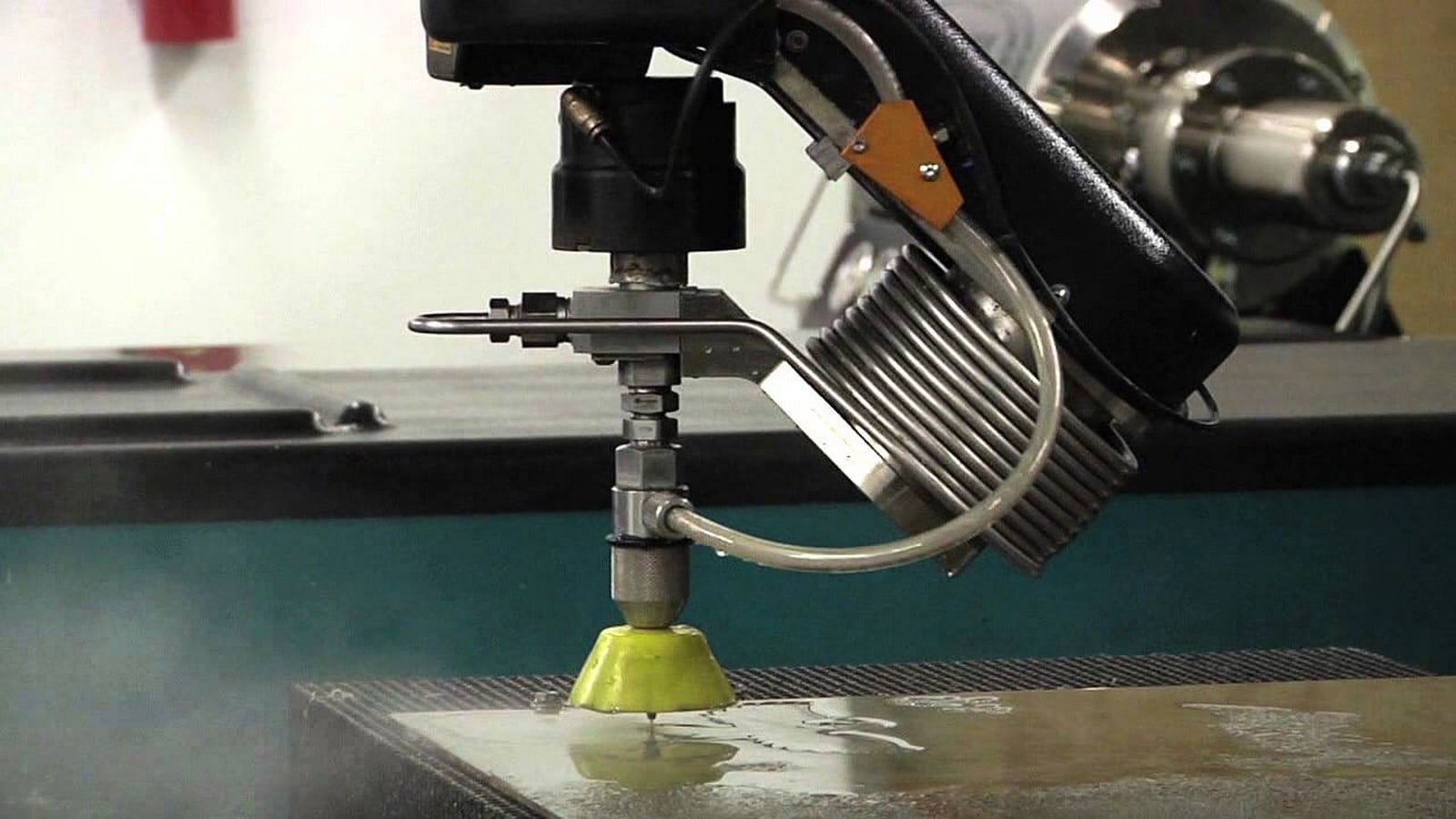
Waterjet cutting is an industrial material-cutting process that uses a high-pressure stream of water, sometimes combined with abrasive materials, to erode and shape virtually any surface. Unlike thermal methods such as plasma or laser cutting, waterjet technology operates without heat, making it especially suited for delicate or eco-sensitive materials.
There are two main types of waterjet cutting:
- Pure waterjet cutting: Uses only water and is typically used for soft materials like rubber, insulation, or cork.
- Abrasive waterjet cutting: Involves the addition of garnet or another abrasive to the water stream, enabling the cutting of harder materials like metal, stone, and glass.
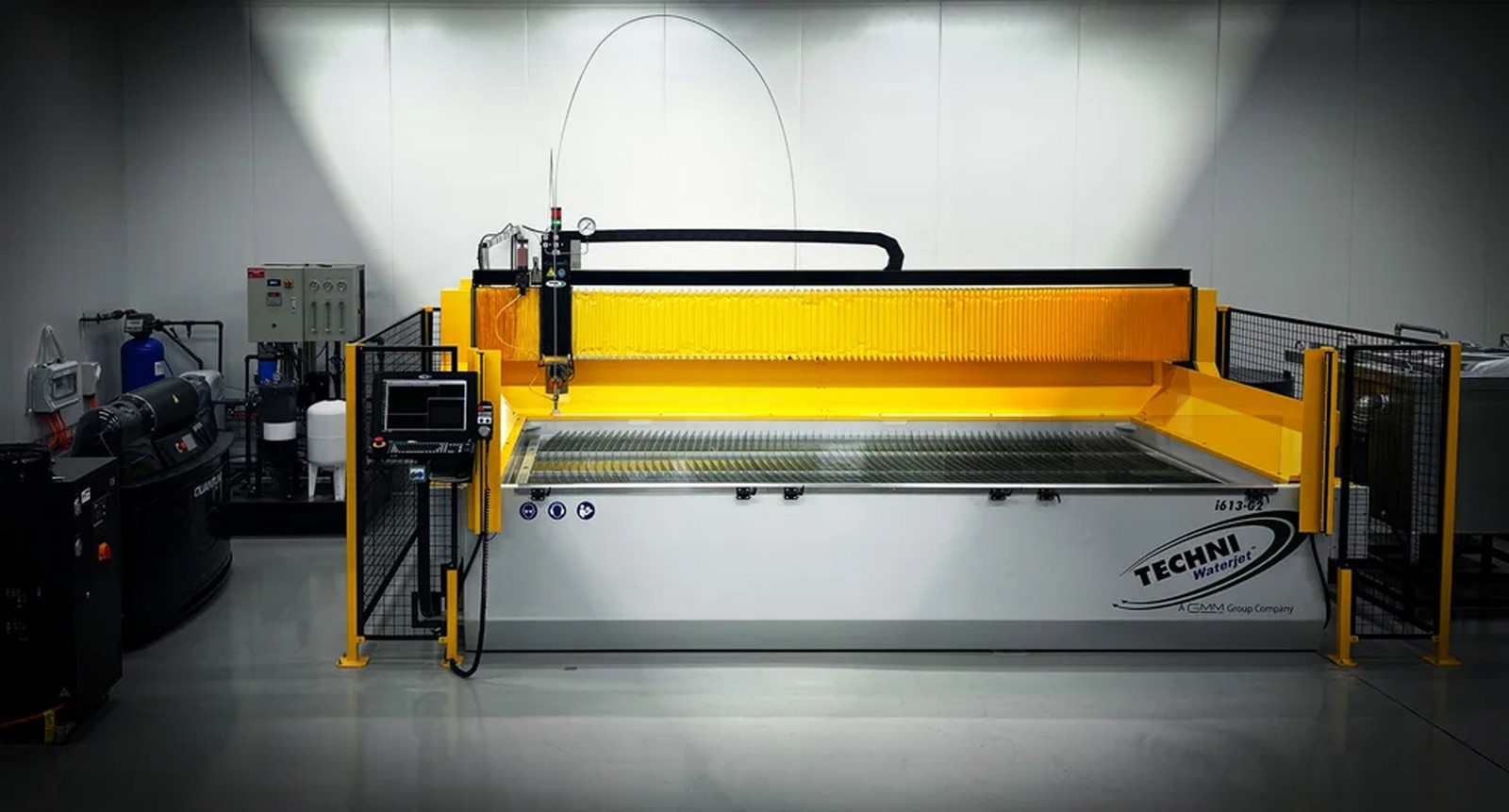 Here’s a breakdown of how the waterjet cutting process works:
- Pressurization of water: A high-pressure pump pressurizes water up to 60,000–90,000 PSI.
- Addition of abrasive (if applicable): Garnet or another abrasive material is introduced to increase cutting power.
- Focusing through nozzle: The stream is channeled through a tiny nozzle to increase velocity and control.
- Material erosion through high-speed stream: The forceful water/abrasive stream erodes the material with precision.
- Controlled movement via CNC system: A computer numerical control (CNC) system guides the nozzle to cut complex shapes and patterns accurately.
This cold-cutting technique reduces risk of distortion, making it ideal for sustainable building components where material integrity matters.
Why is waterjet cutting ideal for sustainable architecture?
Sustainable building isn’t just about the materials used—it’s about how those materials are handled. The water jet cutter offers a suite of environmental advantages that directly align with eco-conscious construction goals.
Compared to plasma or CNC laser cutting, which can produce heat-affected zones (HAZ), toxic fumes, and significant energy draw, waterjet systems operate without combustion, without altering material properties, and with minimal environmental overhead.
Here’s how waterjet cutting supports sustainability on the job site and in fabrication facilities:
- No heat-affected zones (HAZ): Material surfaces retain their structural properties.
- No toxic fumes or chemical reactions: Clean process that avoids harmful air contaminants.
- Minimal waste: Narrow kerf and optimized nesting minimize offcuts.
- Recyclability of water and abrasives: Closed-loop systems reuse water and recover garnet.
- Cuts a wide range of eco-materials: Compatible with recycled composites, engineered woods, and more.
- High material yield, less scrap: Precision cuts reduce overage and material overuse.
In comparison, mechanical sawing or routing can generate considerable particulate waste, while plasma and laser systems often require fume extraction, fire-proofing, and post-processing cleanup. Waterjets sidestep those hurdles, delivering clean, edge-to-edge precision that maximizes both sustainability and efficiency.
What materials used in sustainable architecture can be cut with waterjet?
Waterjet cutting thrives where traditional methods struggle—especially when it comes to eco-materials that are layered, brittle, heat-sensitive, or sourced from post-consumer content. Below are key green building materials commonly processed by waterjets, each with their relevance to sustainability goals.
Recycled Aluminum
Recycled aluminum is widely used for exterior facades, roofing, and decorative panels due to its strength-to-weight ratio and corrosion resistance.
- Lightweight, corrosion-resistant
- High post-consumer recycled content
- Retains integrity with cold cutting (no warping)
- Fully recyclable after use
Natural Stone (e.g. marble, granite, slate)
These materials are durable and regionally sourced, reducing carbon impact from transportation.
- Thermal mass properties support passive heating/cooling
- Visually striking with natural textures
- Waterjet cuts allow detailed shaping with minimal waste
Glass (including recycled glass panels)
Glass is essential in daylighting strategies and energy-efficient envelopes.
- Excellent light transmission
- Can be locally sourced or upcycled
- Waterjet enables clean, chip-free edges
Engineered Wood & Plywood
Certified plywood and laminated timber are key components in modular and prefabricated construction.
- Low VOC adhesives available
- Supports modular design systems
- Waterjet avoids delamination issues caused by saws
Recycled Plastics and Composites
Often used in interior finishes, siding, and composite structures.
- Diverts plastic waste from landfills
- Customizable aesthetics and durability
- Waterjet prevents melting or edge degradation
Ceramic and Porcelain
Common in flooring and cladding applications, especially where thermal efficiency is needed.
- Long lifespan and easy maintenance
- Compatible with radiant heating systems
- Precision cuts reduce breakage
Cork Panels and Sustainable Flooring
Cork is rapidly renewable and a superb thermal/acoustic insulator.
- Naturally antimicrobial
- Harvested without tree removal
- Pure waterjets prevent fraying or tearing
Concrete and Cement Panels
Used in both structural and aesthetic applications, including insulated panels and pre-cast elements.
- High thermal mass
- Durability for long building life
- Waterjet cuts reduce need for grinding or chiseling
Insulation Materials (non-fibrous types)
Mineral wool boards, cellulose-based insulation, and cork are among non-toxic options.
- No airborne particles during cutting
- Preserves insulative properties
- Custom shapes improve fitment and reduce energy loss
Architectural Metal Mesh and Screens
Used for shading, privacy, and airflow while reducing direct solar gain.
- Recyclable and low-maintenance
- Improves building energy efficiency
- Intricate designs possible without distortion
How does waterjet cutting compare to other fabrication technologies in architecture?
 Architectural fabrication demands a blend of accuracy, versatility, and environmental responsibility. While laser, plasma, and mechanical methods each have their place, waterjet cutting offers unique advantages that align with sustainability-focused construction.
CNC Laser cutting excels in speed, especially with thin metals, but it requires high energy input and creates heat-affected zones (HAZ). Plasma cutting is less precise and emits fumes, making it less suitable for enclosed or green-certified job sites. Mechanical sawing creates dust, noise, and wear on tooling while struggling with detailed cuts.
In contrast, waterjet technology performs across a broader material range with significantly less environmental impact.
Comparison overview:
- Energy efficiency – Waterjet systems use electricity and compressed air but avoid high thermal loads of lasers/plasma
- Material compatibility – Cuts virtually any material, including heat-sensitive, fibrous, or recycled substrates
- Environmental impact – Low; no fumes, dust, or HAZ, plus recyclable water and abrasive
- Cutting precision – Excellent; capable of tight tolerances with smooth edges
- Installation ease – Clean cuts mean less post-processing and easier on-site assembly
- Maintenance needs – Moderate; abrasive handling and pump upkeep required
- Cost implications – Lower waste offsets machine costs over time, especially for complex shapes or green materials
What are the key applications of waterjet cutting in sustainable building design?
Waterjet cutting is not just a fabrication method—it’s a creative tool that empowers architects to realize complex, sustainable visions. Its precision and material flexibility make it ideal for everything from structural systems to ornamental detailing.
Common sustainable architecture applications:
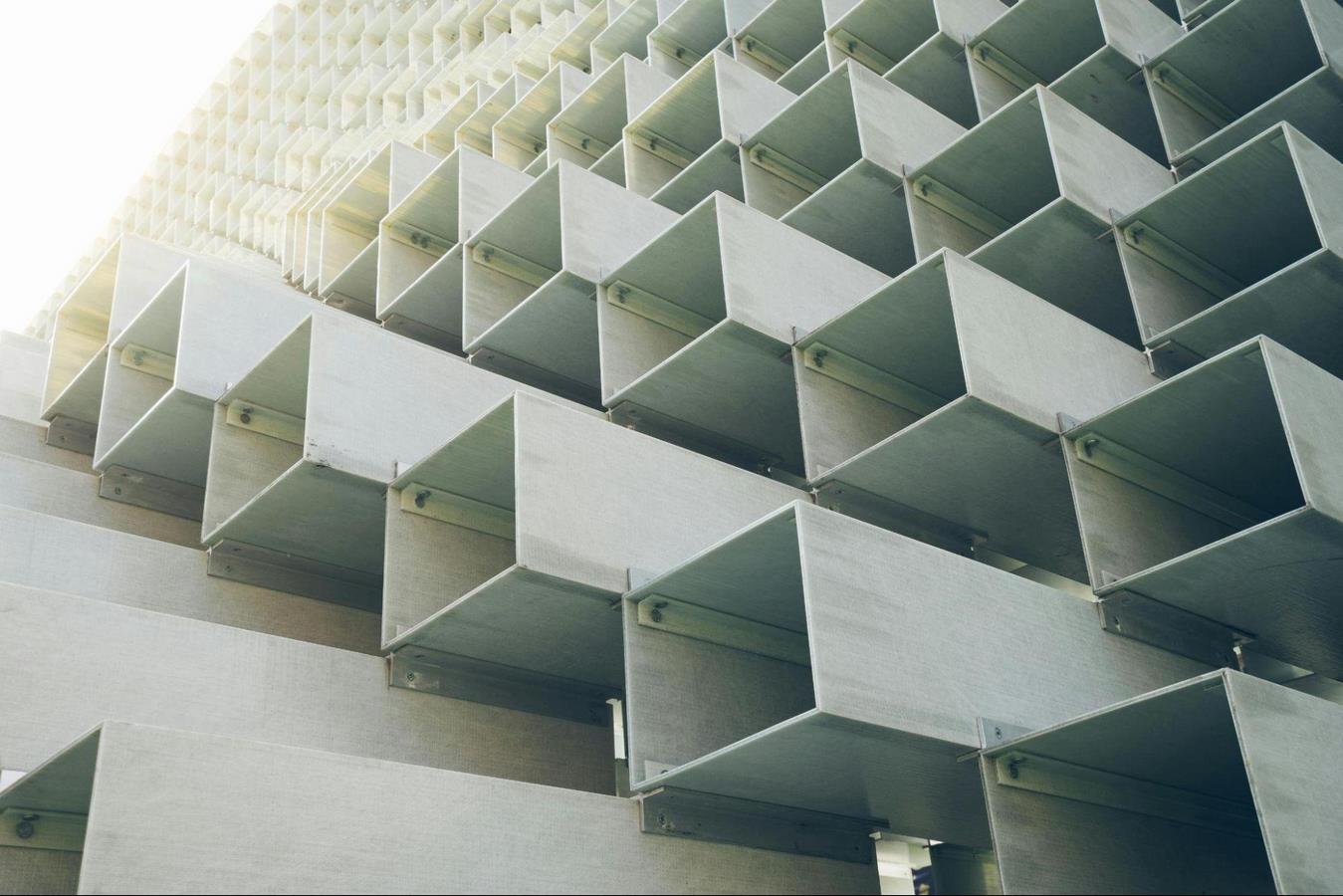
- Custom façade panels – Unique shapes and perforations for ventilation and light control
- Ventilation grilles and sun shading systems – Functional elements that enhance energy performance
- Artistic interior and exterior wall treatments – Organic shapes or patterned screens
- Structural joints and supports – Custom-fit connectors that minimize material excess
- Recycled material reuse (custom cutting from scraps) – Breathe new life into offcuts and salvaged panels
- Intricate flooring or ceiling inlays – Mosaic-like designs without glue, solvents, or adhesives
By supporting design freedom without compromising eco-values, waterjet systems enable a new era of sustainable expression in architecture.
What are the precision and tolerances of waterjet cutting in architectural fabrication?
 Waterjet technology is renowned for its high accuracy, even across complex geometries and layered materials. Precision depends on the machine’s configuration and the material’s properties, but tolerances are generally tighter than most mechanical methods and competitive with laser systems.
Typical tolerance ranges:
- Thin materials (<1/4 inch) – ±0.1 mm
- Medium-thickness (1/4–1 inch) – ±0.2 to 0.3 mm
- Thick materials (>1 inch) – ±0.5 mm or more
Kerf width, or the width of the cut, varies from 0.5 to 1.2 mm depending on nozzle size and abrasive load. Designers should account for this in CAD files to ensure parts fit as expected. Another consideration is taper, which can occur on thicker materials where the jet enters wider than it exits. This is mitigated with modern taper-compensation software and multi-axis cutting heads.
For architectural details where alignment, joint fit, or inlay precision is critical, waterjets deliver the consistency needed for high-performance green designs.
What are the limitations of waterjet cutting in sustainable architecture?
Despite its advantages, waterjet cutting isn’t perfect. Certain limitations must be considered when evaluating it for architectural workflows, especially in high-volume or highly specialized projects.
Key limitations include:
- Slower cutting speed vs. laser for thin materials – Waterjet is not the fastest method for sheet metals.
- Abrasive disposal regulations – Spent garnet requires proper collection and disposal, especially in LEED projects.
- Cost of high-pressure equipment – Initial investment is high compared to conventional saws or routers.
- Not suitable for very soft or fibrous materials – Foams or fibrous insulations may deflect under pressure.
Even with these factors, many architects find the benefits outweigh the drawbacks—especially when sustainability is a core requirement.
How cost-effective is waterjet cutting for green building projects?
While waterjet cutting may seem like a high-investment option at first glance, it often proves to be cost-effective over the course of a project. Its precision reduces material waste and minimizes the need for rework, which can lead to significant savings in the long run. For architects and builders who prioritize lifecycle value and sustainability, waterjet cutting aligns well with green building goals.
The overall cost-effectiveness depends on factors like material type and job complexity, but the ability to create precise, ready-to-assemble components often results in lower overall construction and material handling costs, especially for larger projects.
What factors influence the cost of a waterjet cutting system?
Several key features determine the overall investment required for a waterjet cutting system:
- Pump pressure – Higher pressure allows for faster and deeper cuts.
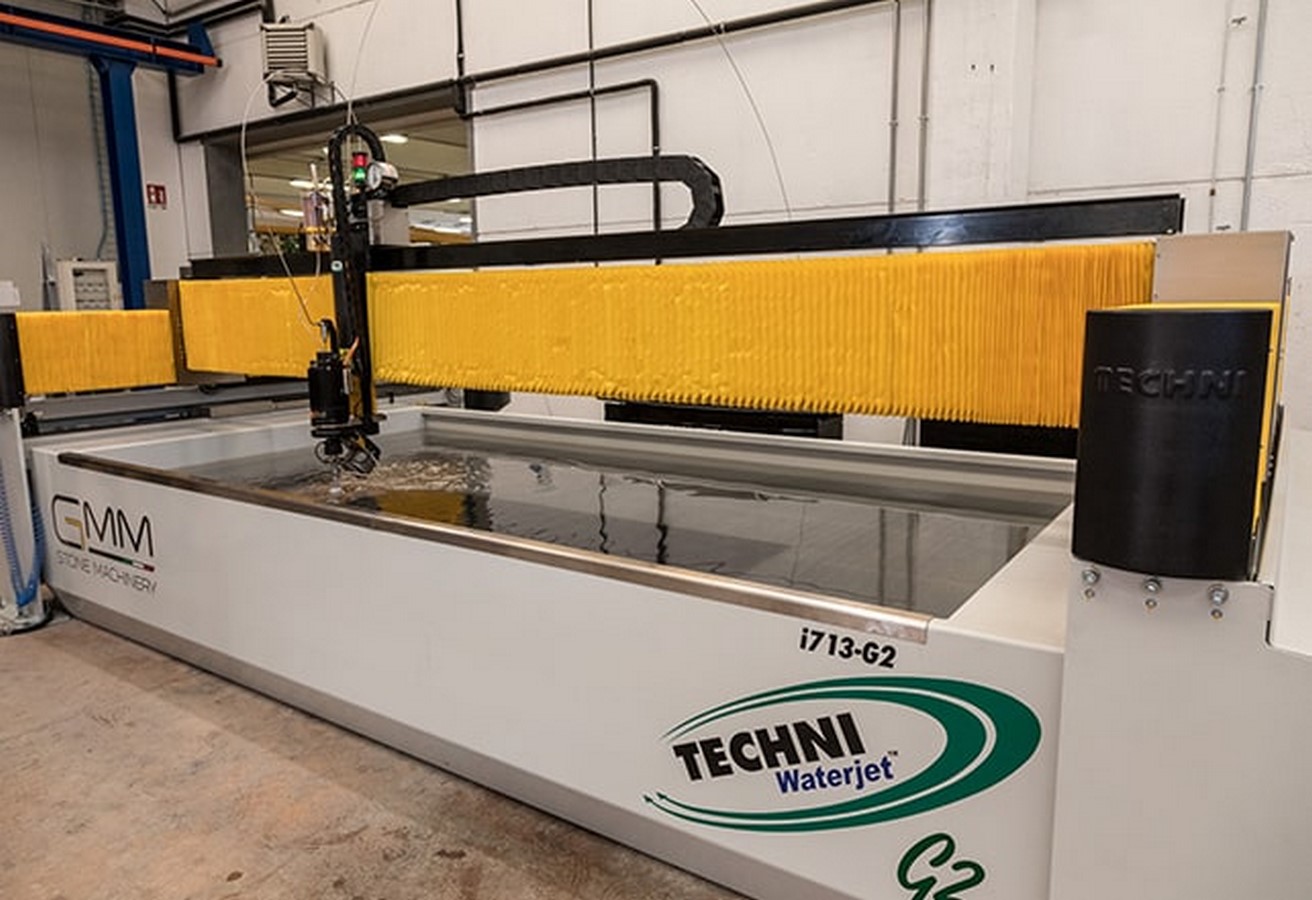
- Cutting table size and axis range – Larger tables and more movement flexibility accommodate bigger or more complex parts.
- Number of cutting heads – Multi-head systems increase productivity by enabling simultaneous cuts.
- Abrasive recycling and automation features – These reduce consumable usage and labor time, enhancing long-term efficiency.
By understanding these factors, businesses can better evaluate which system fits their specific project needs and sustainability goals.
What’s the future of waterjet cutting in sustainable construction?
 As green architecture evolves, so does the technology that supports it. Waterjet cutting is advancing with innovations that make it more powerful, more efficient, and more aligned with the principles of regenerative design and carbon-neutral building practices.
Emerging trends and innovations include:
- Green abrasives – Eco-friendly abrasives derived from sustainable sources or recycled waste
- AI-driven waterjet optimization – Smart cutting paths that adapt in real time to material density and reduce water/abrasive usage
- Multi-material composite cutting – Enables complex layering of different eco-materials in a single pass
- Smart integration with BIM and parametric architecture – Architects can design directly for CNC fabrication, closing the loop from digital to physical with precision
These advancements point toward a future where waterjet technology becomes a central tool in circular construction—maximizing reuse, minimizing input, and transforming design freedom into measurable sustainability gains.
Conclusion
Waterjet cutting is no longer just a tool for industrial manufacturing—it’s a cornerstone of modern sustainable architecture. Its ability to cut through an array of recycled, engineered, and delicate materials without heat, chemicals, or toxic byproducts makes it uniquely aligned with the goals of eco-conscious design.
What sets it apart isn’t just its versatility, but its philosophy: a clean cut, minimal waste, no compromise. It bridges the gap between ambitious architectural form and rigorous environmental function.
In a world where buildings must do more with less—less energy, less waste, fewer materials—waterjet cutting proves that precision isn’t a luxury, it’s a necessity.
And with every slice, curve, and contour, it’s helping build a greener, smarter, and more beautiful future.