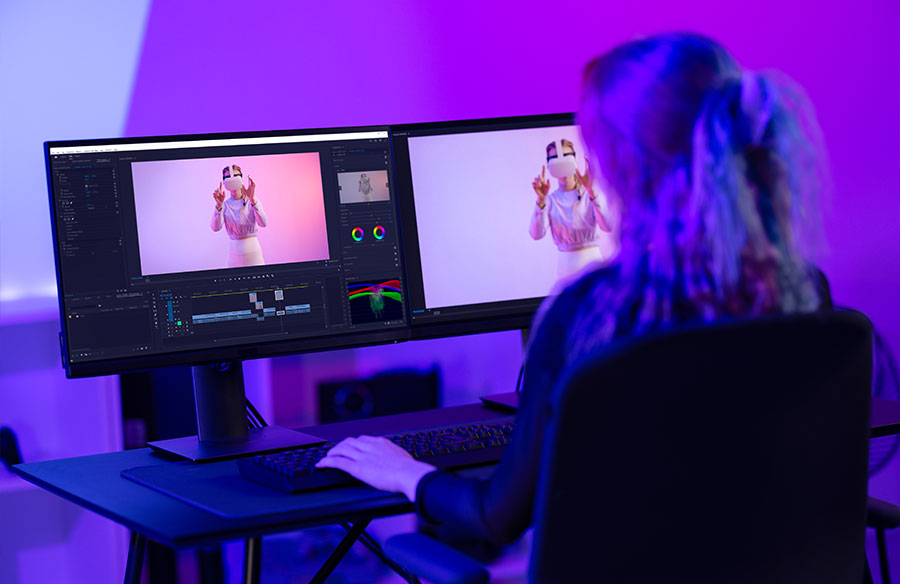
In today’s digital landscape, 3D animation is more than just a buzzword—it’s a powerful storytelling tool for marketing, entertainment, gaming, education, and more. However, producing high-quality 3D animation requires specialized skills, time, and tools. That’s why many businesses, creative agencies, and startups choose to outsource 3D animation projects instead of building expensive in-house teams.
But how do you outsource a 3D animation project successfully? Whether you’re a business owner, marketing manager, or content creator, this guide walks you through everything you need to know—from preparation to project delivery.
Why Outsource 3D Animation Projects?
Before diving into the “how,” let’s talk about the “why.” Here are some compelling reasons to outsource 3D animation:
- Cost Efficiency: Hiring a full-time animation team is costly. Outsourcing lets you pay only for what you need.
- Access to Global Talent: Work with skilled artists and studios worldwide with proven portfolios.
- Faster Turnaround: Specialized agencies have streamlined workflows that speed up production.
- Scalability: Need a simple product animation or a full cinematic trailer? Scale up or down based on project needs.
Define Your Project Scope
The first and most crucial step is clarity.
- What’s the goal of the animation?
- Who is the target audience?
- What style and tone are you aiming for (e.g., realistic, cartoon, explainer)?
- How long will the animation be?
- Are there examples or references that inspire the desired output?
Write a creative brief with this information. It will be the foundation for communication with your outsourced team.
Decide Where to Outsource
You have three main options when outsourcing 3D animation:
Freelancers: Ideal for smaller projects or tight budgets. You can find them on platforms like Upwork, Fiverr, or ArtStation.
3D Animation Studio: Best for complex or long-term projects. They offer complete services including scriptwriting, modeling, rigging, animation, rendering, and post-production.
Production Agencies: Some agencies offer broader multimedia services including animation.
Tip: If your project is mission-critical or brand-focused, choose a studio or agency over a solo freelancer.
Review Portfolios and Client Feedback
Once you’ve shortlisted candidates, dig into their:
- Portfolio: Does their style match your vision?
- Previous Clients: Have they worked with companies similar to yours?
- Testimonials and Ratings: What do past clients say?
- Demo Reels: Look for storytelling ability, animation quality, and technical execution.
Don’t just look for artistic talent—ensure they can deliver on time and communicate effectively.
Request a Proposal or Quotation
Once you’ve found potential partners, request a formal proposal or quote. Provide your brief and ask for:
- Estimated timeline
- Budget breakdown
- Number of revisions included
- Deliverables and file formats
This step helps you compare apples to apples and see who offers the best value, not just the lowest cost.
Set Clear Communication Channels
Outsourcing only works well with consistent communication. Agree on:
- Communication tools (e.g., Slack, Trello, email)
- Weekly updates or milestone check-ins
- Preferred time zones for meetings
- Project manager or point of contact on both sides
Having a clear communication protocol helps prevent delays, misunderstandings, or quality issues.
Protect Your Intellectual Property (IP)
Before sharing confidential information or creative assets, make sure you have:
- Non-Disclosure Agreement (NDA)
- Statement of Work (SOW)
- Clear Ownership Rights in your contract
Your contract should state that you own the final animation and any source files upon project completion.
Start with a Pilot or Test Task (Optional)
If you’re unsure about the animator or studio, ask them to complete a small paid test task before committing to the full project.
This is especially useful for long-term or high-budget projects, as it gives you a preview of their workflow, creativity, and reliability.
Monitor Progress and Provide Feedback
Don’t just wait for the final result—stay involved during production. Key stages to review include:
- Script and storyboard
- 3D modeling and rigging
- Animation previews (playblasts)
- Textures, lighting, and rendering
- Final edit and sound
Be specific and constructive in your feedback. Timely input ensures the team stays aligned with your vision.
Approve and Receive Deliverables
Once you’re satisfied, request the final deliverables, which may include:
- High-res video files (MP4, MOV)
- Source project files (Maya, Blender, etc.)
- Audio assets
- Thumbnails or preview images
Make sure to back everything up and leave a review or testimonial if you’re happy with the outcome.
Bonus Tips for Smooth 3D Animation Outsourcing
- Use collaboration tools: Frame.io, Google Drive, or Dropbox help streamline feedback and file sharing.
- Respect time zones: Factor in time differences when setting deadlines.
- Stay flexible: Creativity can evolve, so allow some room for artistic direction.
- Avoid scope creep: Stick to the original plan or agree on new pricing if changes are needed.
Final Thoughts
Knowing how to outsource a 3D animation project is all about preparation, communication, and selecting the right partners. Whether you’re creating a product demo, game trailer, or immersive brand video, outsourcing can unlock top-tier talent and bring your vision to life—without the overhead.
By following this step-by-step guide, you’ll avoid common pitfalls, keep your project on track, and achieve results that truly impress.