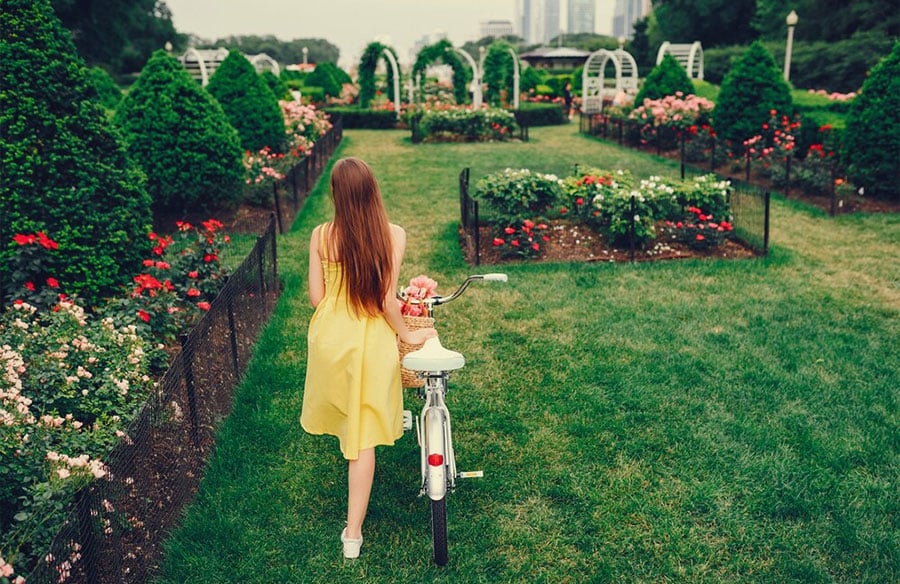
Ever walked into a house and just felt at home? It’s not just about what’s inside—it’s the way the whole space flows, indoors and out. That sense of calm, connection, and comfort often starts in the garden.
In the UK, gardens are more than a patch of green—they’re part of our lifestyle. A well-thought-out outdoor space can completely change how a home feels. And if you’re aiming for something truly special, working with experienced garden designers in Cheltenham can help bring that vision to life. The goal? A garden that doesn’t just sit outside your house but belongs to it—reflecting your personality, complementing your home’s style, and enhancing how you live every day. Let’s explore how tailored garden design does exactly that.
A Quick Trip Back: Gardens in British History
Gardens in Britain? They’ve always been more than just pretty. Think about those perfectly planned Georgian gardens, or the charming, overflowing cottage gardens – all about function. Gardens were food sources, medicine cabinets, even status symbols! And the Arts and Crafts movement? Those gardens beautifully linked design to the architecture of the time. Form and function, together. Of course, as our cities and homes changed, so did our gardens. But this idea of blending architecture and garden design? It’s not new, it’s just getting a modern makeover.
Tailored Means “You-Focused”: Let’s Get Personal
What exactly do we mean by “tailored” garden design? Customisation, pure and simple. It’s not just grabbing whatever looks good at the garden centre. It’s about really understanding your plot, your house, and – most importantly – you. We’re talking topography, microclimate (so you plant things that will actually thrive). Plus, echoing your house’s architectural style (lines, materials), and making it functional for your life (chilling out, growing veggies, keeping nosy neighbours out). It’s architects, garden designers, and homeowners all working together. As Kate Gould, an award-winning garden designer, puts it: “A tailored garden is more than just a pretty space; it’s a reflection of the homeowner’s personality and a seamless extension of their living space.”
Design Harmony: Real-World Examples
So, how does your garden actually complement your house? This is where it gets fun. Think about a super modern, minimalist home. A geometric, plant-sparse garden would complement it beautifully. A Victorian townhouse? Lush, layered, period-appropriate plants would be perfect.
Continuity of materials is key (brick, stone, timber). Brick facade? Brick pathways in the garden. Sightlines from inside the house are important too. Frame your garden so it’s a great view from inside. Symmetrical house? Symmetrical yard. Colour and textures in the hardscaping can tie everything together. Imagine stepping from a cool, minimalist interior onto a slate patio surrounded by lavender and rosemary. Bliss!
Lifestyle Boost: Make it Work For You
Let’s make your garden work for you, every single day. Think about what you need. Outdoor “rooms” for specific things: dining, yoga, kids’ play.
Dreaming of an outdoor dining area with a built-in barbecue? Make it happen. Create distinct areas without making it look disjointed – a yoga spot that doesn’t clash with your dining area. Instead of fake turf, try a rain garden (good for the planet and it looks great). Accessibility matters: raised beds, easy pathways, good lighting. A garden with purpose will boost your wellness, productivity, and family time.
Regional Differences: Climate is King
Britain’s geographically diverse. This totally affects what you can plant and what design is possible. The climate in Southern England is way different than Scotland or Northern Ireland.
Consider soil types, rainfall, microclimates. Choose plants that thrive locally. A vibrant coastal garden in Cornwall will look nothing like a hardy, heather-filled garden in the Scottish Highlands. A spokesperson from The Garden Builders explains, “Choosing native plants not only creates a sense of place but also supports local biodiversity and reduces the need for excessive maintenance.” Also, think urban vs. rural. What works in a city garden won’t necessarily work in the countryside.
Working with Professionals: Why It Matters
Designing a garden that feels like a true extension of your home takes more than a Pinterest board and a weekend at the garden centre. This is where bringing in professional help really pays off. Experienced garden designers don’t just think about plants—they think about flow, form, function, and how your outdoor space interacts with your home’s architecture and your lifestyle.
They’ll assess your plot’s orientation, drainage, and soil composition, then tailor the design accordingly. More importantly, they’ll listen—to your routines, your vision, your must-haves—and translate that into a cohesive, liveable space. Whether you’re dealing with a tiny urban courtyard or a sprawling country lawn, professional guidance can help avoid costly mistakes and ensure your garden evolves beautifully over time.
Budgeting and Timing: What to Expect
A tailored garden doesn’t have to mean an unlimited budget. Like any good home project, it’s all about knowing what’s possible within your means. Many homeowners choose to phase their garden transformation over time—starting with core elements like layout, hardscaping, and lighting, then layering in plants, furniture, and features as they go.
As for timing, a full garden redesign usually takes a few months from planning to completion, depending on scope and season. Spring and early summer are prime times for planting, but design work can happen year-round. Be realistic about timelines and talk through scheduling with your designer early on. Planning ahead not only saves stress—it gives you time to refine your ideas and make the most of your investment.
A Greener Future: Sustainability Rules
We’re living in a time of environmental awareness. Sustainable design isn’t a trend; it’s essential. Use permeable surfaces to help with runoff. Use recycled or local materials. Edible gardens and urban agriculture are amazing. And think about integrating wildlife and using smart tech for maintenance (irrigation, lighting). Sustainability isn’t just ethical; it can boost your home’s value.
The Feels: More Than Just Looks
It’s easy to focus on the practical, but don’t forget the emotional impact of a good garden. It boosts your well-being, creativity, and relaxation. Gardens provide shelter from noise, privacy, and visual comfort. They bring the seasons into your life. And think about the joy of touching plants, smelling the earth, hearing the leaves rustle. Studies even show that being around nature boosts productivity. Makes sense, right?
 Wrap Up
A tailored garden isn’t just about flowers and fences—it’s about creating a space that fits you. It’s where design meets lifestyle, and where your home flows seamlessly into the outdoors. Whether you’re dreaming of lazy breakfasts on the patio, a lush space to unwind, or a functional area for the family to gather, good design makes it all possible.
So step outside, take a fresh look at your garden, and imagine what it could be. With the right ideas—and the right team—it might just become your favourite “room” in the house.