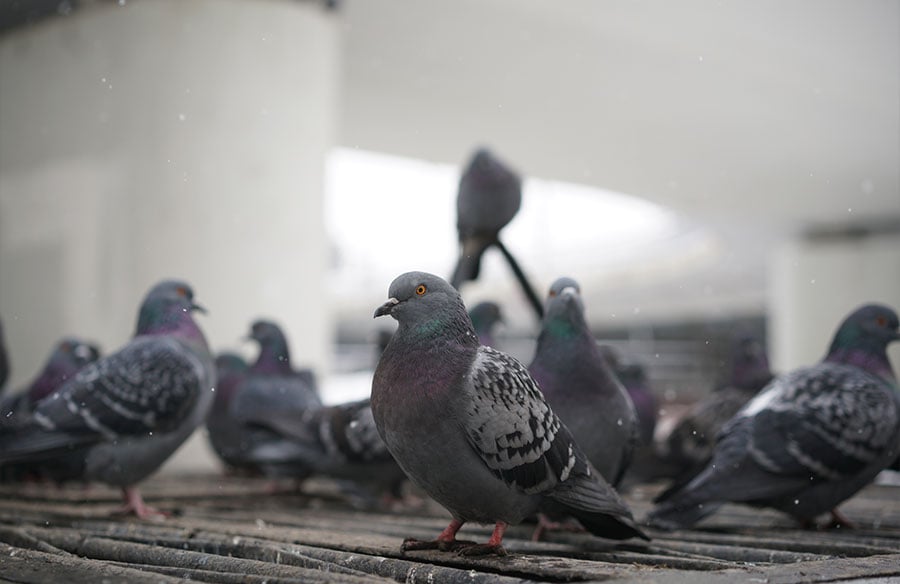
Manufacturing plants often face challenges related to wildlife, which can lead to unexpected problems. Birds, in particular, can cause significant damage to equipment and infrastructure, which may disrupt operations and increase maintenance costs. Implementing effective bird control solutions not only prevents this equipment damage but also enhances plant safety and efficiency. Understanding the nature of these challenges is crucial for developing strategies that are both effective and humane.
Birds can settle in plant structures, leading to costly issues like machinery corrosion and product contamination. This not only affects the equipment but also poses health risks to employees. By utilizing humane methods for eliminating pest birds in manufacturing facilities, businesses can protect their equipment and maintain a safe working environment. Solutions such as netting and spikes are among the most effective, creating barriers without harming the birds.
For those interested in exploring various methods tailored to specific industries, reviewing comprehensive resources on industrial bird control could offer valuable insights. Implementing a tailored approach not only addresses the immediate issues but also aligns with broader operational goals, ensuring sustainability and compliance with regulatory standards.
Key Takeaways
- Bird control is crucial for preventing equipment damage and ensuring plant safety.
- Humane strategies can protect both the environment and infrastructure.
- Customized bird control solutions enhance operational efficiency.
Understanding Bird-Related Equipment Damage
Bird-related issues in manufacturing plants can result in significant damage to equipment. Common bird species such as pigeons and starlings are known for problematic behaviours that disrupt operations. The presence of bird droppings and nesting materials can lead to severe equipment damage and corrosion.
Impact of Bird Presence on Manufacturing Equipment
Birds can have a dramatic effect on manufacturing equipment. They often flock to warm, sheltered areas, making factories appealing. Bird droppings are particularly damaging due to their acidic nature, which accelerates the corrosion of metal surfaces and machinery. This corrosion can compromise the integrity of equipment, leading to frequent repairs and increased operational costs.
In addition, birds near machinery may cause blockages within vents and filters with their feathers and nesting materials. This obstruction lowers efficiency and can result in overheating or mechanical failures. Commonly observed bird damage includes wear and tear from nests in hard-to-reach areas, which complicates both removal and maintenance.
Identifying Vulnerable Equipment and Locations
Identifying vulnerable spots in manufacturing plants is crucial. Equipment such as air conditioning and ventilation units, rooftops, and machinery in open spaces are prone to bird-related issues. Birds are attracted to areas that offer shelter and protection, like rafters or ledges near equipment.
Understanding bird behaviour helps preemptively address these issues. Install deterrents in strategic places where birds tend to gather. For instance, laser systems or netting can prevent them from accessing sensitive equipment areas, thereby reducing incidents of equipment damage. Regular inspections and maintenance are also essential in minimizing risks associated with bird presence. Implementing these strategies effectively can help mitigate long-term damage.
Effective Bird Control Strategies for Manufacturers
To safeguard manufacturing equipment from bird-induced damage, manufacturers can implement a variety of strategies. These include physical barriers, advanced technological tools, and regular maintenance.
Physical Deterrents and Exclusion Solutions
Bird barriers such as netting and spikes play a crucial role in preventing birds from accessing sensitive areas. Netting can cover large spaces, effectively keeping birds away from expensive machinery. Bird spikes can deter birds from perching on ledges and equipment, offering a simple yet effective solution. These physical deterrents form an essential part of any bird control system, minimizing the chances of equipment damage and contamination.
These systems are often cost-effective and their maintenance involves simple routine checks and repairs. In the diverse environments of manufacturing plants, customized barrier solutions might be required for optimal protection.
Technological Innovations in Avian Deterrence
The adoption of technological innovations has expanded the arsenal of bird control products available to manufacturers. Laser technology and the use of autonomous bird deterrents like the Avix Autonomic system are popular choices. Lasers act as visual repellents, creating an inhospitable environment for birds without causing harm.
The autonomous systems work continuously, ensuring birds do not return. Manufacturers often combine these technological solutions with other deterrents for comprehensive control. Selecting the correct distributor is vital for the effective implementation of these systems, ensuring quality service and product guarantees.
Maintenance and Sanitation Protocols
Consistent maintenance and effective sanitation are key components in any bird control strategy. Regular cleaning and the removal of bird nests discourage roosting and nesting activities. Maintenance protocols should include inspections of installed deterrents, ensuring they remain functional and intact.
Sanitation efforts can involve the use of bird repellent gels that make surfaces inhospitable for nesting. Ensuring clean environments reduces bird attractants such as food waste. By integrating these protocols within existing plant procedures, the risk of equipment damage due to birds is significantly reduced, ensuring smooth operational processes.
Conclusion
Effective bird control solutions can play a crucial role in maintaining the integrity of manufacturing equipment. By employing methods such as bird spikes, wires, and gels, facilities can efficiently deter birds from making contact with vital machinery. This proactive approach minimizes the risk of damage and the need for costly repairs.
Implementing these solutions not only protects the equipment but also enhances the quality and safety of the manufactured products. Proper bird control measures reduce potential contamination, contributing to a more reliable production process. The long-term benefits include prolonged equipment lifespan and increased operational efficiency in manufacturing plants.