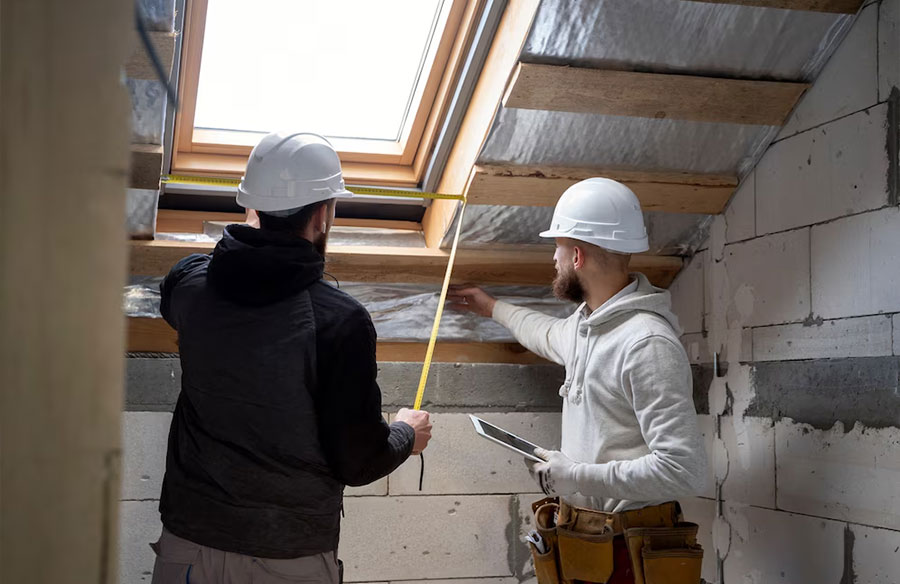
It’s unsettling to truly consider the future. Rising energy costs, the constant threat of climate change, and the nagging feeling of contributing to the problem all weigh heavily on our minds. Even in our homes, our sanctuaries, we often unknowingly contribute to environmental issues. But what if there was a relatively simple, often overlooked solution? Enter insulation.
More specifically, finding the right home insulation services can be a game changer. We’re not talking about the standard pink fiberglass you might picture. Instead, consider the advanced materials and innovative techniques revolutionizing home efficiency. This is about fundamentally rethinking how we create efficient homes, beginning with the power of modern insulation to create truly sustainable living spaces. So, let’s delve in.
Why Insulation Matters: It’s More Than Just Comfort
Imagine your home as a giant, cozy well, it should be cozy. However, if it’s not properly insulated, it’s like a leaky bucket. The building’s envelope – the walls, roof, and floors – all significantly impact heat loss in the winter and heat gain in the summer. Poor insulation? That means your HVAC system is constantly working overtime, wasting energy, and costing a fortune. With inadequate insulation, you could lose upwards of 40% of heating and cooling energy. That’s a huge loss!
Insulation creates a thermal barrier, maintaining comfortable, even temperatures year-round, benefiting both your wallet and the environment.
The Evolution of Insulation: From Itchy to Innovative
Let’s journey through the history of insulation. Remember those itchy fiberglass rolls? They were a staple for decades, followed by cellulose. While these options served their purpose, modern insulation is a different world. We’re talking about spray foam that seals every crack, mineral wool made from recycled materials, and the game-changers: vacuum-insulated panels (VIPs) and aerogels. These materials are incredibly efficient, packing serious R-value into minimal space.
It’s not just about temperature control. Modern insulation is multifunctional. Many materials now offer fire resistance, soundproofing, and even pest control. Plus, greener manufacturing processes reduce environmental impact.
Key Materials: Eco-Friendly Options That Work
Now, let’s get specific. Here are some eco-friendly insulation materials you should consider:
- Sheep’s Wool Insulation: Amazing! It’s natural, renewable, and naturally fire-resistant. Sheep’s wool regulates temperature exceptionally well.
- Recycled Denim (Cotton): Upcycled from old jeans – cool, right? It’s safe to handle, has low VOCs (volatile organic compounds), and feels satisfying to use.
- Cellulose Insulation: A classic choice made from recycled paper products. It is treated for fire and pest resistance, providing a great balance between cost and effectiveness.
- Cork Panels: Renewable, even carbon-negative, and aesthetically pleasing. Cork is a great insulator and is naturally resistant to mold, pests, and even termites.
- Aerogel Panels: Seriously high-tech and ultra-efficient. Aerogel panels are currently expensive, but if you have the budget, the results are incredible.
- Vacuum Insulated Panels (VIPs): These have super high R-values and are perfect for tight-space retrofits. The downside is that durability can sometimes be a challenge.
Each material has pros and cons, and it’s important to weigh them carefully. Remember, the R-value measures thermal resistance; higher is better. These materials aren’t just good for the environment; they can also improve your home’s energy efficiency and overall well-being.
Insulation and Building Codes: A Push for Sustainability
Many countries are updating their residential energy codes to align with carbon reduction targets, like the IECC in the U.S. and Passivhaus in Europe. Insulation plays a huge role in meeting these standards. Stricter codes mean better insulation requirements, leading to more energy-efficient homes.
Certifications like LEED, WELL, and the Passive House standard all benefit from proper insulation. These certifications push for higher sustainability standards, and insulation is a key component in achieving them.
Homes That Got It Right: Real-World Examples
Consider the following examples:
- New Construction: A net-zero home built in Colorado used recycled denim insulation throughout the walls and ceiling. The initial cost was slightly higher, but the homeowners have practically eliminated their energy bills, and the air quality is amazing.
- Retrofit: An old Victorian in San Francisco was retrofitted with spray foam insulation and saw a 40% reduction in energy use. The homeowners reported year-round comfort and significantly reduced street noise.
These case studies demonstrate the effectiveness of insulation, creating healthier, more comfortable living spaces. Some people even install soundproofing insulation in their home offices for a more serene workspace.
Practical Tips for Homeowners: Smart Choices
So, you’re considering upgrading your insulation. Where do you start? First, consider your climate zone and budget. Are you retrofitting an existing home or building new? This all matters. No matter how good the material is, poor installation will negate its benefits. Don’t skimp on installation. Look for low- or no-VOC sealants to minimize indoor air pollution.
Air sealing is crucial too. Seal those cracks and gaps to prevent air leaks. Consider consulting an energy auditor or a green building professional. They can assess your specific needs and recommend the best solutions. They might even know about local rebates or incentives that can help offset the cost.
The Future of Insulation: Innovations on the Horizon
There’s reason to be optimistic about the future of insulation. We’re seeing emerging trends like bio-based materials made from things like mushroom packaging waste. The integration of insulation with IoT/home automation means that someday, your insulation could automatically adapt to temperature and occupancy.
The circular economy, the idea of insulation that is recyclable or biodegradable, will hopefully become the norm. Insulation will be foundational to achieving net-zero building targets.
 Conclusion
Insulation is a core sustainability strategy that’s often overlooked. Evaluate your home and see insulation as an investment – an investment in your comfort, your savings, and your ecological responsibility. Don’t just think of your home as a place to live, but as a part of a larger ecosystem.
Embrace the power of modern insulation and join the movement toward truly sustainable living. Start by exploring your options and maybe getting an energy audit. The time to act is now. Let’s make our homes not just a shelter, but a solution.