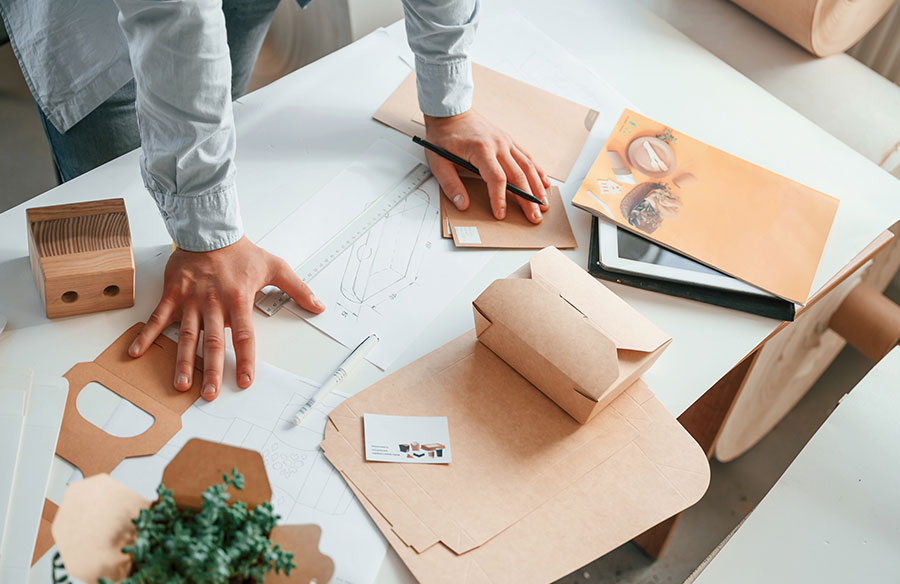
Creating a product requires time and effort, but packaging is often the last thing companies think about. However, packaging is just as important as product designing, it is the first thing customers notice about your product. Packaging plays an important role in:
- Customer experience by creating a memorable unboxing moment.
- Brand identity through consistent colors, logos, and design.
- Product value by reinforcing quality and attention to detail.
- Market presence by standing out on shelves and social media.
Attractive packaging makes a lasting impression and builds customer trust. Innovative and unique designs help your packaging stand out on the shelf and leave a strong impression on customers.
My Opinion: If you’re launching a new product and need beautiful, sturdy packaging, I highly recommend Elite Custom Boxes. They provide high-quality custom packaging tailored to your brand and product. I used them for my recent candle and book project—they created rigid boxes that turned out great.
What is Product Packaging Design?
Product packaging design is the process of creating the outer packaging of any product, its shape, color, graphics, and fonts. It refers to designing how the product will appear to customers both in function and style. It protects the products inside during shipping and handling while making them attractive for the customers. It enhances the purchasing decisions of customers and communicates the brand’s message. Packaging design is essential to elevate the overall customer experience.
Why is Product Packaging Design Important?
Whether you are an e-commerce business or an online business, product packaging design is important for all. Here are some reasons why:
-
- First impression: packaging design creates a lasting impression on the customers. It affects their perception of your brand. It enhances brand identity and expresses your brand value.
- Marketing strategy: unique packaging design makes you stand out on retail shelves or online. It helps you set your brand apart from the competitors, making it a perfect strategy for unique marketing.
- Product protection: making product packaging made from sturdy materials creates an opportunity for brands to impress customers. It protects your products during transit and storage.
- Customer experience: creating unique product packaging design enhances the unboxing experience of customers. It leads to customer satisfaction and repeat purchases.
Types of Product Packaging
Choosing the right packaging material is important for your products. It affects how they look and feel. High-quality materials help protect your products from damage during shipping and handling. Using durable materials makes your packaging last longer and prevents damage. Here are some suggestions for sturdy materials:
Cardboard and Paper Packaging
Cardboard and paper packaging are an affordable option that customers prefer for their products. Its sturdy yet lightweight design is ideal for handling and shipping products. From cosmetics and food to clothing, many industries prefer cardboard packaging. It can be easily customized with your brand’s logo and design. This eco-friendly choice shields against external damage and can be recycled and reused.
Corrugated Packaging
Corrugated packaging is the ideal choice for shipping, as it provides extra protection for heavy and fragile products. The e-commerce retail industry mostly uses it, as its layered design absorbs shocks and prevents damage. They are also eco-friendly and can be easily recycled, making a sustainable choice for your product packaging.
Rigid Packaging
Rigid packaging is made from thick, strong materials, giving it a premium feel. It provides excellent protection and is ideal for luxury products like perfumes, jewelry, and electronics. Rigid boxes are durable. They maintain their shape, keeping products safe during transport. They also enhance product presentation, making items look high-end and valuable.
Biodegradable Packaging
Biodegradable packaging is a sustainable and eco-friendly option used by many companies to attract eco-conscious customers. This type of packaging is strong enough to protect products while being safe for the planet. It’s ideal for food, cosmetics, and other retail products. It is reusable and recyclable.
Product Packaging Design Guide
Creating an effective packaging design for your brand is key to customer satisfaction and repeat purchases. There are some things you need to consider before developing effective product packaging. Here is a step-by-step guide:
Understanding your Product and Customer
Understanding your product’s nature and target audience is the first step you need to consider for making a good packaging design. You need to take your product’s size, shape, and weight into consideration, to determine which type of packaging will be the best fit for your product. Not only this, but you also have to think about your customers’ preferences and buying behavior. You need to pay attention to the kind of material and finish your target audience is looking for. Whether they need eco-friendly packaging or are they looking for something more solid and luxurious. Having all the knowledge about your customers and products will help you create great product packaging.
Knowledge of Your Competitors
Keeping the knowledge about your competitors helps you identify the market trends. You need to look at their material and design choices, and their customer feedback to see what unique thing your brand needs. It will help you make informed decisions and find ways to stand out in the market. Choosing branding elements including logos, taglines, unique shapes, and high-quality printing, can make you easily recognizable and different from your competitors. It helps you design better and more useful product packaging.
Evaluate Your Product Needs
Every product has specific packaging requirements that need to be fulfilled. Fragile items need protective materials, while food products require airtight packaging to protect food from moisture and dust. You also need to consider the environmental factors your product might face such as temperature changes, heat, or sunlight during shipping and storage. Product packaging should also meet all the industry regulations and guidelines to avoid future issues. Following these requirements ensures packaging is both practical and appealing.
Design Your Packaging Idea
After understanding your product and customer needs, it’s time to get started with designing your packaging. You need to keep your main focus on the visual elements like colors, fonts, and printing that reflect your brand identity. The goal is to create packaging that stands out on the retail shelf and elevates your product’s value at the first look. Ensure that your packaging is consistent with your brand’s overall look and value. It will attract customers and make your brand more recognizable.
Finalize and Print Your Packaging
Once your design is ready, prepare your printers for production. The product design includes finalizing the color schemes, adjusting the print setting, and creating samples to test the design. You need to make sure your packaging material and printing method are according to the product’s needs, customer requirements, and your budget. Doing test prints before the actual product takes place allows you to fix design flaws and color variations. It helps your final product meet your quality expectations.
Following these design steps ensures that your product packaging protects your products, makes your product visually appealing, and strengthens your brand identity.
Building Brand Recognition with Packaging
Let’s explore some packaging elements that enhance brand identity and create a lasting impression on customers:
Ensuring Logo Visibility on Packaging
Good product packaging helps your brand stand out and builds recognition. Customers are more likely to buy from brands they trust. While appearance, quality, and function matter, adding your logo reinforces brand identity. However, just placing a logo isn’t enough, you need to size and place it correctly based on the packaging size. Choosing the right placement ensures your logo is visible and memorable. It helps customers connect with your brand and encourages repeat purchases.
Choosing the Right Typography and Fonts
Typography affects how customers see your brand through product packaging. The right fonts help communicate your brand’s personality and improve readability. Bold and simple fonts are ideal for catching attention and adding a premium feel. Consistent font choices create a stylish brand look, making your packaging more appealing and recognizable.
The Role of Shape and Structure in Packaging Design
Packaging shapes and structural design impact how products are presented and protected. The right shape ensures secure handling and easy storage, while unique designs attract customer attention. Functional designs improve convenience and reduce shipping costs. Custom shapes can make your packaging stand out and reflect your brand’s style, enhancing the overall customer experience. You can add customized inserts to your packaging enhance the protection and give a high-end unboxing experience.
Tips for Designing Product Packaging
You can create impressive and protective packaging by following these design tips. They will help you make packaging that looks good, protects your product, and leaves a positive impression on customers.
Make Packaging Simple
Simple designs are more appealing and easier for customers to understand. Keep your packaging simple and clear to avoid confusing or distracting customers. A clean and minimal design helps your product stand out and makes it easier for customers to recognize your brand. Use clear fonts, simple graphics, and unique colors to create a strong visual impact. Proper labeling helps customers quickly find important information. A simple design not only looks professional but also builds trust and makes your product more appealing.
Ensure Easy Access
Customers always enjoy packaging that is easy to open and close and requires no additional tools. Creating packaging that is complicated to open and close can frustrate the customer and can lead to a negative experience. Packaging that is difficult to open can also risk the products of getting damaged easily. You can use tear strips or perforation to make packaging easy to open, it can lead to a smooth unboxing experience. Easy access to products is important for many industries, especially food, personal care, and healthcare. Ensuring that the packaging is user-friendly increases customer satisfaction and drives sales.
Durable Materials
The quality of your packaging reflects the quality of your products packed inside. Using sturdy packaging material protects your products during shipping and handling, ensuring they arrive in perfect condition. They are durable enough to withstand wear and tear. These high-quality materials are not only ideal for protection but they also give a premium look and feel to the packaging. They make the product appear more luxurious and valuable. Consider using materials like rigid, cardboard, corrugated cardboard, or eco-friendly kraft to provide strength and style to your packaging. This sturdy and well-designed packaging enhances the overall customer experience.
Choose Sustainable Options
Eco-friendly packaging is increasingly becoming important to customers. Choosing biodegradable, recyclable, and sustainable materials reduces environmental impact and appeals to eco-conscious customers. Using reusable materials improves your brand’s image. Eco-friendly packaging not only makes the planet greener but also builds customer trust and loyalty. Clearly label your packaging as recyclable or biodegradable to inform customers about your commitment to sustainability. Sustainable packaging reduces costs and waste while showing your commitment to eco-friendly practices. Simple, eco-friendly designs not only look good but also make a positive impact on the environment and eco-conscious customers.
Test Your Packaging for Strength and Functionality
Testing your packaging before launching the product is essential. It ensures that your packaging meets all the standards of quality and functionality. That is why developing a physical prototype or a sample is essential. The sample or prototype tests whether it fits the product perfectly or not. It checks if the packaging withstands wear and tear during shipping and handling. It also ensures that the design elements, like colors, fonts, or graphics stay consistent, vibrant, and clear. Also, try to gather customer feedback to see if your packaging is easy to open, highly protective, and visually appealing. Testing your packaging by designing a sample or prototype helps to fix any major or minor issues with the packaging before fully launching the product. It ensures that when your product reaches the market, it makes a memorable customer experience and strengthens your brand identity.
Design Product Packaging that Sets You Apart
Designing packaging that stands out and helps your product get noticed on retail shelves and makes a strong first impression. Using unique packaging shapes, high-quality printing, and creative designs helps capture customer attention and make your product memorable. Adding your brand’s logo, colors, and graphics builds brand recognition and trust. Durable materials and premium finishes like embossing or foil stamping can give your packaging a premium look and feel. Functional designs, like easy-to-open boxes, improve customer experience. Appealing packaging is a physical representation of your business that not only protects your product but also reflects your brand’s identity. Using all these elements to create your perfect product packaging will set you apart from the competitors and boost customer loyalty.