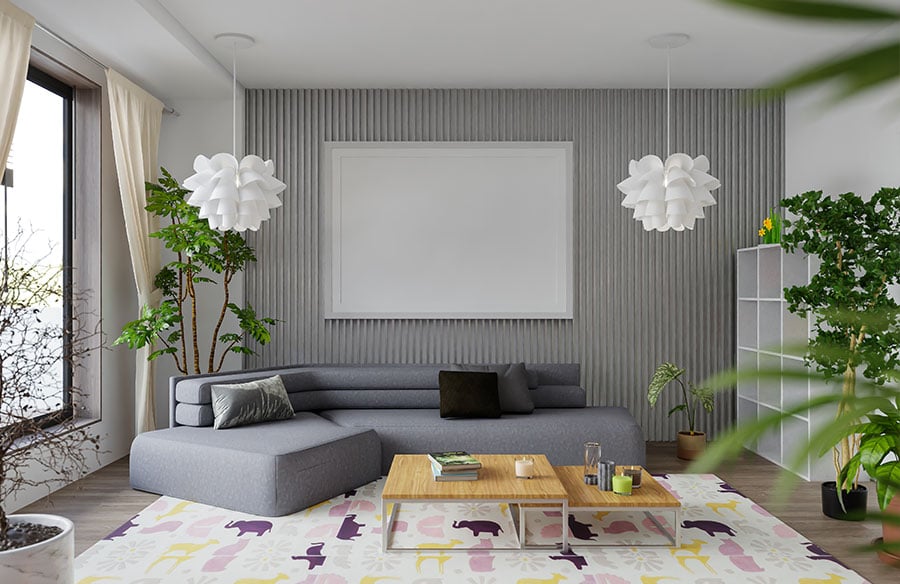
Gray living rooms have become a popular choice for homeowners looking to create stylish, versatile spaces. From light dove to rich charcoal, gray offers a neutral backdrop that works with virtually any design style.
Gray walls provide the perfect canvas for both bold accents and subtle touches, allowing you to easily update your living room’s look without repainting.
You might wonder how to keep a gray living room from feeling cold or boring. The answer lies in layering textures and using warm elements. Adding a plush rug, soft throw blankets, and varied textiles creates depth and comfort.
Mixing in warm lighting, like table lamps with soft yellow bulbs, instantly makes the space feel cozier.
When designing your gray living room, consider how different shades work with your existing furniture and the room’s natural light.
Lighter grays can make small spaces feel larger, while deeper charcoals create a sophisticated, intimate atmosphere.
You can easily refresh your gray living room by swapping out accessories in different colors – try creams and browns for warmth or bold colors for visual interest.
The Right Shade of Gray
When selecting your perfect gray, consider your room’s natural lighting first.
North-facing rooms receive cooler light, making warm grays (with beige or brown undertones) more welcoming.
South-facing rooms can handle cooler grays with blue or purple undertones.
Test paint samples at different times of day. Gray can look dramatically different from morning to evening light.
For small spaces, lighter grays create an airy feeling. Charcoal or slate grays add drama to larger rooms or accent walls.
Consider your existing furniture colors too. Gray pairs beautifully with:
- Bold colors: Yellow, teal, or coral for energy
- Neutrals: White, beige, or black for sophistication
- Metallic accents: Silver, gold, or copper for elegance
Don’t forget texture! Gray rooms benefit from varied textures in rugs, pillows, and throws to prevent the space from feeling flat.
Window Treatments
Choose sheer or light-filtering curtains that allow sunlight to pass through while still providing privacy. White or light-colored curtains reflect more light than dark ones and create a beautiful contrast against gray walls.
Skip heavy drapes that block light. Instead, try Roman shades or blinds that can be fully opened during the day. When you need window coverings, opt for ones mounted outside the window frame rather than inside to maximize the glass area.
For a modern look, consider leaving windows completely bare if privacy isn’t a concern. This works especially well in rooms with architectural windows or beautiful views.
Try layering window treatments for flexibility. You might use sheer curtains with light-blocking panels that can be pulled aside during the day.
Mirror Placement
Mirrors are your secret weapon for doubling natural light in gray living rooms. Place a large mirror directly across from your windows to reflect both light and outdoor views throughout your space.
Consider a gallery wall of smaller mirrors for an artistic approach that still bounces light around. Mirrors with metallic or light-colored frames enhance brightness even more against gray walls.
Try unconventional mirror placements for maximum impact:
- Behind table lamps to amplify artificial light
- Adjacent to windows (on perpendicular walls) to capture light from multiple angles
- On cabinet doors or as a backsplash to brighten dark corners
Mirrored furniture pieces like coffee tables or side tables add function while reflecting light upward into your space.
You can also use reflective accessories like glass vases or polished metal objects to create similar effects on a smaller scale.
The Perfect Gray Sofa
A gray sofa serves as an excellent foundation piece for your living room. Consider the shade carefully – light gray sofas brighten smaller spaces, while darker charcoal creates drama in larger rooms.
Look for quality upholstery that fits your lifestyle. If you have kids or pets, performance fabrics resist stains and wear. Velvet adds luxury, while linen or cotton creates a casual vibe.
Shape matters too! A sectional maximizes seating for family gatherings, while a sleek sofa with clean lines works well in modern spaces. Many retailers offer gray sofas on sale during seasonal promotions, so watch for deals.
Don’t forget comfort – test before buying if possible. Deep seats invite lounging, while firmer cushions provide better support for those with mobility issues.
Coordinating Furnishings
Balance your gray sofa with complementary pieces. Wood tones warm up cool grays – consider walnut, oak, or teak coffee tables and side tables for a cozy feel.
Mix materials to add interest. Glass accents reflect light, while metal finishes (brass, chrome, black iron) create contrast against soft upholstery. Try this combination:
- Coffee table: Wood with metal legs
- Side tables: Glass or matching wood
- Accent chairs: Patterned or in a pop color
- Ottoman: Textured fabric or leather
For a grey and brown living room, incorporate leather pieces in caramel or chocolate tones. This pairing creates a sophisticated, timeless look that avoids feeling too cold.
Don’t overcrowd! Leave breathing room between furnishings for easy movement and visual spaciousness.
Curtains and Rugs
Curtains play a major role in framing your gray living room. Choose fabrics that complement your gray tones – warm beige curtains soften cool grays, while navy or emerald green curtains create dramatic contrast. Sheer curtains allow natural light to filter through, brightening gray walls.
Floor coverings matter too! A patterned area rug can anchor your seating area while adding visual interest. Look for rugs with subtle geometric patterns that incorporate your gray palette plus accent colors. Textured rugs like shaggy or Berber styles add dimension against smooth gray surfaces.
Layer smaller throw rugs atop larger ones for a cozy, collected look. This technique works especially well in larger gray living rooms that might otherwise feel cold. Remember that rugs don’t need to match perfectly – they just need to coordinate with your overall color scheme.
Decorative Art Pieces
Wall decor becomes especially important in gray living rooms. Choose art with pops of color to create focal points – yellow, blue, or coral pieces stand out beautifully against gray walls.
Consider the scale of your artwork. A large statement piece can anchor a gray wall, while a gallery wall of smaller pieces adds personality and interest. Black and white photography looks particularly sophisticated against gray backdrops.
Don’t forget about three-dimensional art! Sculptural pieces add texture and break up flat gray surfaces. Metal wall sculptures reflect light and add sparkle to a neutral room.
Mix different art mediums for visual variety. Try combining canvas prints, framed photographs, and textural wall hangings. This creates a collected, thoughtful look rather than a “everything-purchased-at-once” appearance.
Making the Most of Your Space
In smaller gray living rooms, light shades like dove or silver create an open feeling. You want to avoid dark charcoal in tight spaces as it can make walls feel like they’re closing in.
Consider these space-saving ideas:
- Floating furniture pulls the eye upward and creates floor space
- Glass or acrylic tables that don’t visually take up much room
- Wall-mounted lighting instead of floor lamps
- Mirrors positioned to reflect light and create depth
Try a monochromatic gray scheme with varying textures to add interest without overwhelming the space. A light gray sofa with darker gray pillows creates dimension without cluttering your visual field.
Strategies for Larger Living Rooms
Bigger spaces benefit from deeper gray tones that bring walls inward, creating coziness in expansive rooms. You can be bolder with charcoal accent walls or large statement pieces.
Create these zones in your large gray living room:
- A conversation area with facing sofas
- A reading nook with a comfy chair
- A media center zone
Use area rugs to define these separate spaces while maintaining cohesion with your gray color story. Large rooms can handle more substantial furnishings, so choose pieces with presence—a sectional sofa or oversized coffee table works well.
Mix light and dark grays to add depth. Perhaps lighter walls with darker furniture, or the reverse. This prevents the space from feeling flat or monotonous.
Dark Wood Accents
Dark wood accents create dramatic contrast against gray walls and furniture. Consider adding a dark walnut coffee table as your living room’s centerpiece. The rich brown tones pop beautifully against light gray sofas or chairs.
Floating shelves in espresso or mahogany finishes can display decorative items while adding visual interest to your walls. These dark elements ground the space and prevent it from feeling too cool or sterile.
For a bold statement, try dark wood flooring paired with gray furniture. This combination creates a sophisticated, grounded feel that works especially well in larger rooms. Add a plush area rug to soften the look if needed.
Don’t forget smaller accents like picture frames, lamp bases, or decorative bowls in dark wood finishes. These details tie the look together without overwhelming the space.
Balancing Grey and Wood Tones
When mixing gray and wood in your living room, consider the undertones of both elements. Cool grays pair beautifully with ashy or whitewashed woods, while warmer grays complement golden oak or cherry tones.
Try these winning combinations:
- Charcoal gray walls with medium-tone wood furniture
- Light gray sofas with natural oak side tables
- Medium gray paint with rich walnut accents
Layer different wood tones for a collected, organic feel. Mix a light oak coffee table with darker wood shelving for dimension and interest.
Use textiles to bridge the gap between wood and gray. Pillows, throws, and rugs in colors that complement both tones create visual harmony. Patterns that incorporate both gray and brown can help unify your design effortlessly.
Remember that lighting affects how gray and wood appear. Natural light brings out the beauty in both materials, so position wood pieces where they’ll catch the light.
Iconic Furniture Selections
Choose furniture with sleek, tapered legs and organic shapes for your gray living room. A low-profile sofa in charcoal gray creates a perfect canvas for mid-century design. Look for pieces with walnut or teak wood elements to warm up your space.
Eames-inspired lounge chairs or Noguchi-style coffee tables work wonderfully against gray walls. You might add a credenza with sliding doors for storage and display.
For seating, try pairing a light gray loveseat with a darker accent chair. This creates visual interest while maintaining a cohesive look. Furniture with exposed wood frames in warm tones will pop against cool gray walls.
Decor Accents
Bring in geometric patterns and bold pops of color to complement your gray palette. Think mustard yellow pillows, teal vases, or burnt orange throws – these colors were popular in the original mid-century era.
Wall art featuring abstract forms or retro-inspired prints adds personality. Consider hanging a starburst clock or mirror to enhance the mid-century vibe.
Add texture with natural materials like wood, leather, and woven elements. A shag rug in light gray anchors the space while staying true to the style.
Plants are essential in mid-century design – try placing a fiddle leaf fig in a ceramic planter with thin legs. Finish with brass or copper accessories like table lamps with drum shades to add warmth to the cool gray tones.
Ceiling and Wall Lights
When choosing ceiling fixtures for your gray living room, think about both style and function. A statement chandelier or pendant light can become the focal point while brightening the entire space. For rooms with low ceilings, flush-mount fixtures work best to maintain an open feel.
Wall sconces are perfect for adding light at eye level. You can place them on either side of artwork or mirrors to draw attention to these features. If your gray walls seem too dark, consider installing upward-facing sconces that wash the walls with light.
Track lighting offers flexibility, allowing you to highlight specific areas like bookshelves or architectural details. You can adjust the direction of each light to create the exact effect you want.
Mood Lighting
Table and floor lamps add warmth to your gray living room. You’ll want to place them strategically around seating areas to create cozy reading spots. Choose warm-toned bulbs (2700-3000K) to make gray walls feel more inviting.
Smart lighting systems let you adjust brightness and color temperature throughout the day. You might set brighter, cooler light for morning activities and warmer, dimmer light for evening relaxation.
Consider adding LED strip lights behind furniture or under cabinets for a subtle glow. This creates depth in your gray space and adds visual interest without being overwhelming.
Don’t forget natural light! Sheer curtains can soften harsh sunlight while maintaining brightness. Position mirrors across from windows to bounce natural light deeper into your room and make the space feel larger.