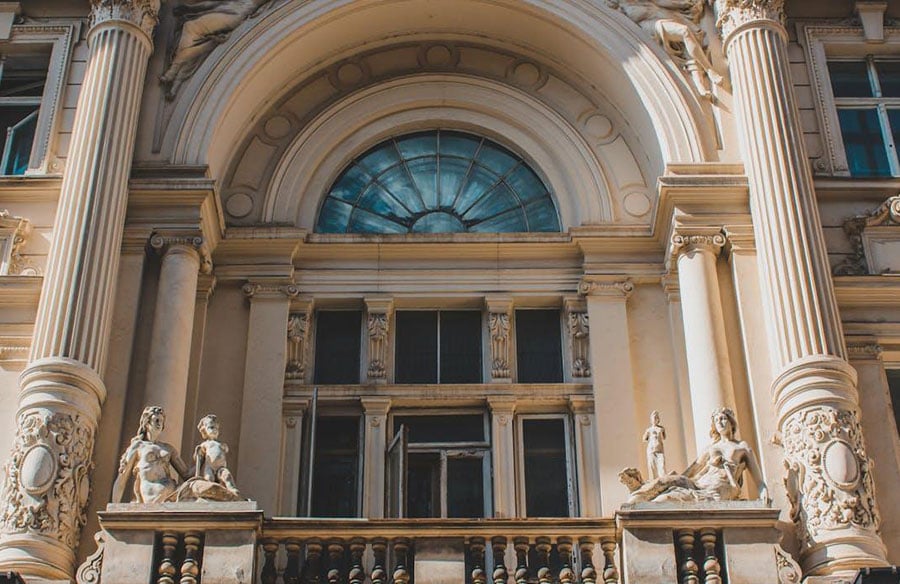
When it comes to outdoor spaces, the fusion of traditional and modern designs creates a unique and inviting atmosphere. We all love the charm of classic elements combined with sleek contemporary aesthetics. This blend not only enhances the visual appeal but also reflects our personal style and the evolving trends in outdoor living.
Imagine relaxing in a garden that features rustic stone pathways alongside minimalist furniture. This harmonious mix invites us to enjoy the best of both worlds. As we explore how to achieve this balance, we’ll discover practical tips and inspiring ideas that transform our outdoor areas into stunning retreats. Let’s dive into the art of blending these styles and create spaces that resonate with both history and modernity.
Understanding Traditional Designs
Traditional designs in outdoor spaces evoke a sense of nostalgia and charm. These timeless styles often rely on classic architectural elements and materials that reflect their historical roots.
Key Characteristics of Traditional Designs
- Symmetry: Traditional designs often emphasize balanced layouts that create harmonious spaces.
- Natural Materials: We utilize stone, wood, and brick, connecting outdoor areas with nature.
- Detailed Features: Decorative elements, such as intricate woodwork and wrought iron, add visual interest.
- Defined Spaces: Defined areas, like garden beds and pathways, establish organization and flow.
Popular Traditional Styles in Outdoor Spaces
- Cottage Gardens: These feature lush, informal plantings and rustic furniture.
- Formal Gardens: Symmetrical layouts and manicured hedges define these refined outdoor spaces.
- Mediterranean Influences: Earthy colors, terracotta pots, and stone pathways characterize this warm aesthetic.
- Tuscan Designs: These often incorporate outdoor kitchens or fireplaces, like an outdoor sauna kit, enhancing the cozy, inviting atmosphere.
Exploring Modern Designs
We appreciate the clarity and simplicity that modern designs bring to outdoor spaces. This approach blends minimalism with functionality, creating refreshing environments that balance aesthetics with utility.
Defining Modern Design Principles
Modern design principles focus on clean lines, open spaces, and a seamless connection with nature. We prioritize functionality, crafting areas that encourage relaxation and social interaction. The use of sustainable materials, such as recycled woods and metals, enhances eco-friendliness while maintaining contemporary appeal. Additionally, integrating elements like an outdoor sauna kit can elevate the comfort and luxury of our outdoor retreats, making our space not only stylish but also practical.
Key Elements of Modern Outdoor Spaces
Key elements of modern outdoor spaces include streamlined furniture, innovative lighting, and low-maintenance landscaping. We utilize durable materials, such as concrete and stainless steel, for longevity and ease of care. Incorporating open layouts encourages fluid movement and connectivity. Seamless transitions between indoor and outdoor areas enhance the overall experience, fostering an inviting atmosphere. Plants are strategically chosen for their textures and colors, contributing to a cohesive design that radiates tranquility and sophistication.
The Benefits of Blending Designs
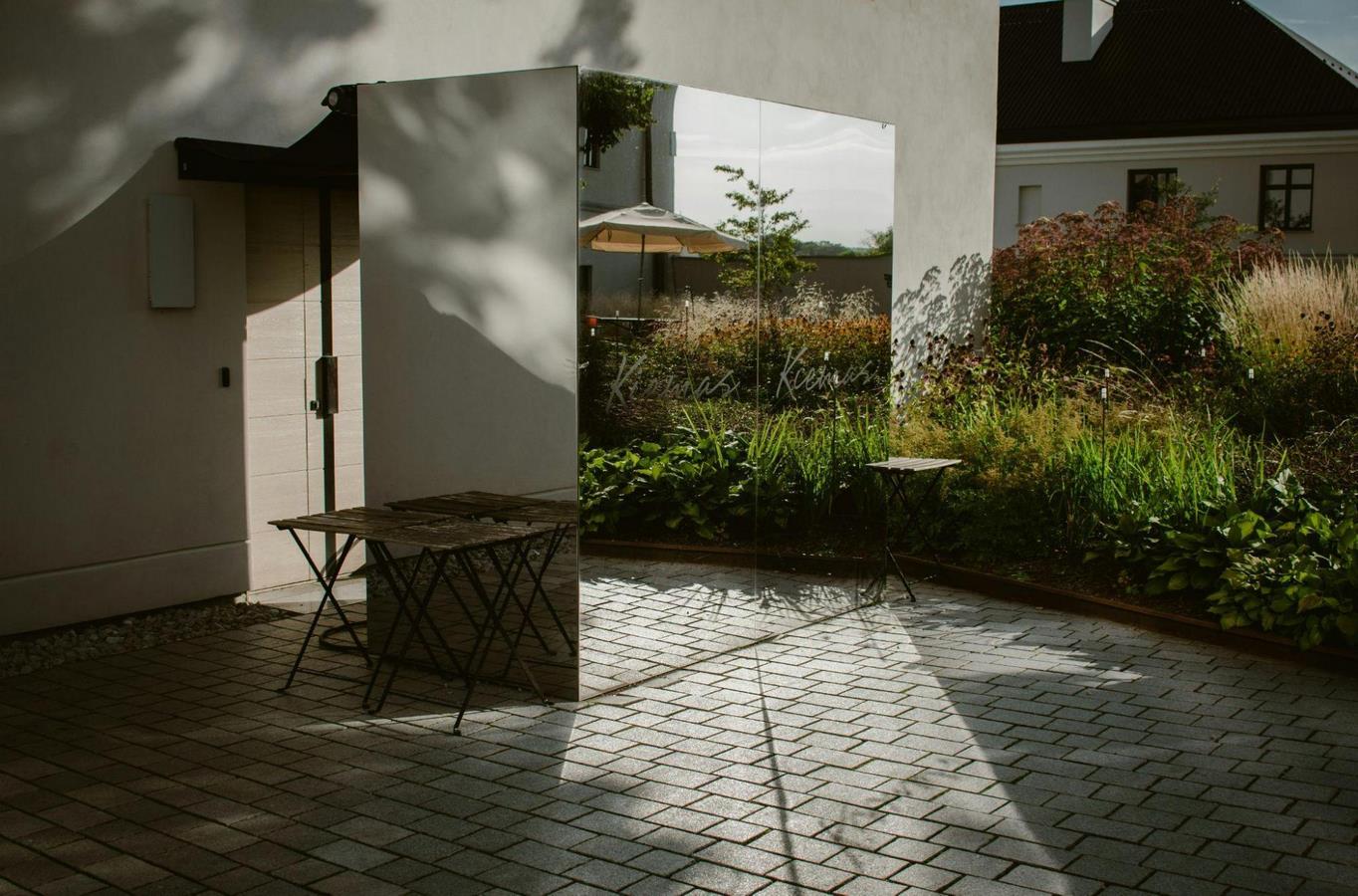
Blending traditional and modern designs enhances outdoor spaces, creating an inviting atmosphere that’s both functional and stylish. This fusion offers a variety of benefits.
Aesthetic Appeal
Merging traditional and modern design influences creates visual harmony. Classic elements, such as intricate woodwork, complement contemporary features, like sleek outdoor furniture. The combination results in a unique aesthetic that draws the eye. For instance, pairing a rustic stone path with minimalist landscaping enhances charm while maintaining a fresh look. Incorporating modern features, like an outdoor sauna kit, can also elevate traditional spaces, adding a luxurious touch that encourages relaxation and social interactions.
Functionality and Usability
Blending design styles improves functionality in outdoor areas. Traditional layouts, known for their defined spaces, work well with modern principles of open flow. This results in areas that encourage usability for gatherings, leisure, and relaxation. We can select durable, low-maintenance materials to create a seamless connection between indoor and outdoor settings, enhancing both comfort and usability. Integrating modern amenities, like storage solutions, with classic garden structures ensures that functionality meets aesthetic appeal, providing an outdoor sanctuary that suits varied activities.
Tips for Successfully Blending Designs
Blending traditional and modern designs enhances outdoor spaces. We can achieve this by focusing on complementary elements, color, and texture.
Choosing Complementary Elements
Selecting items that harmonize between traditional and modern styles creates a cohesive look. We can combine classic wooden benches with sleek metal tables or incorporate an outdoor sauna kit alongside rustic planters. Featuring materials like stone for pathways and minimalist lighting can effectively blend aesthetics. Emphasizing balance, each element’s scale should complement those around it, ensuring neither overpower the other. Thoughtful selections maintain visual continuity and highlight the unique charm of each style.
Incorporating Color and Texture
Utilizing color and texture can significantly enhance the blended designs in outdoor spaces. We can introduce earthy tones typical of traditional designs alongside the bold colors often found in modern spaces. Layering various textures, such as smooth concrete surfaces with rough-hewn wood, adds depth and interest. Including fabrics, like cushions or throws, can provide comfort while infusing color that ties the elements together. Attention to these details establishes a welcoming atmosphere that reflects personal style, drawing guests into a well-curated retreat. For more insights on design principles, check out resources from the American Society of Landscape Architects.