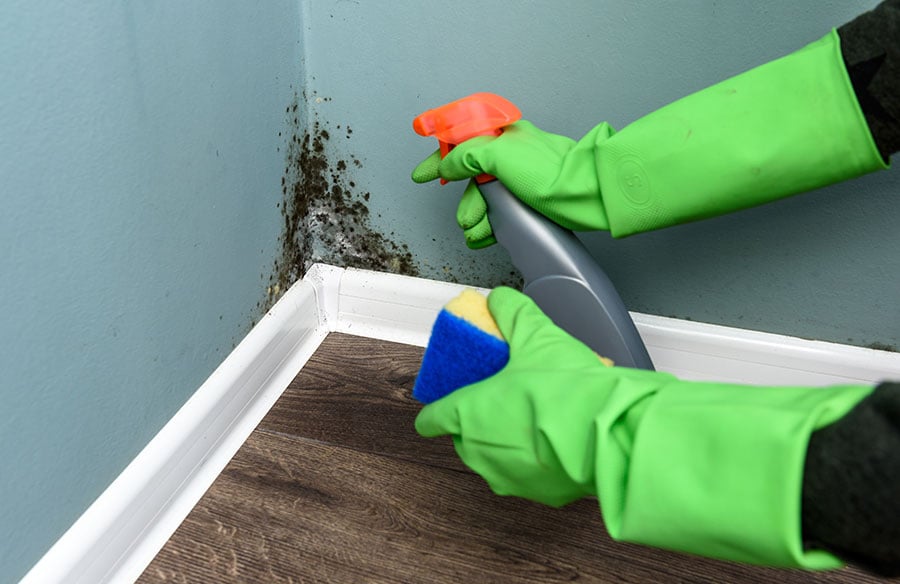
London’s rich architectural heritage, with its historic buildings and modern homes, faces a silent but serious issue—mould growth. The city’s damp climate and poor ventilation in many properties create the perfect conditions for mould to thrive. Without proper mould cleaning in London, homes and commercial spaces can suffer from structural damage and pose significant health risks.
In this guide, we’ll explore why mould removal is essential, its impact on your property and well-being, and how professional services can help ensure a mould-free environment.
Why is Mould a Big Issue in London?
1. London’s Climate Encourages Mould Growth
London experiences high humidity levels, frequent rainfall, and cold winters, leading to condensation buildup inside homes. This excess moisture provides an ideal environment for mould spores to develop, particularly in poorly ventilated spaces like basements, bathrooms, and kitchens.
2. Health Risks of Mould Exposure
Mould is not just an aesthetic issue—it can severely impact indoor air quality and human health. Prolonged exposure to mould can cause:
- Respiratory problems (wheezing, coughing, asthma flare-ups)
- Allergic reactions (sneezing, skin rashes, eye irritation)
- Weakened immune system, especially in children and the elderly
The presence of black mould (Stachybotrys chartarum) is particularly concerning, as it releases toxic spores that can lead to severe respiratory complications.
3. Structural Damage to Properties
Unchecked mould growth can damage walls, ceilings, and floors, leading to costly repairs. It can also weaken wooden structures and cause unpleasant odours that are difficult to eliminate.
Common Causes of Mould Growth in London Homes
Understanding why mould develops can help in preventing future infestations. Some of the most common causes include:
Poor Ventilation
Many older buildings in London lack modern ventilation systems, leading to excess moisture buildup.
Leaky Roofs and Pipes
Water leaks from damaged roofs, plumbing, or even blocked gutters can create damp conditions, making it easy for mould to spread.
Condensation Issues
Condensation occurs when warm indoor air meets cold surfaces like windows and walls. Without proper insulation and ventilation, it becomes a breeding ground for mould.
Flooding and Water Damage
If water damage isn’t properly treated after a flood or leak, mould can start growing within 24 to 48 hours.
How to Effectively Remove Mould in London
While DIY methods like vinegar or baking soda may provide temporary relief, professional mould removal services in London ensure a long-term solution.
1. Mould Inspection & Assessment
A professional team will conduct a thorough inspection to identify the extent of mould damage and its root cause.
2. Safe Mould Removal & Cleaning
Experts use industry-approved techniques like:
- HEPA vacuuming to remove mould spores from surfaces
- Biocide treatment to kill mould at the source
- Fogging and air filtration to improve indoor air quality
3. Moisture Control & Prevention
After mould is removed, professionals focus on moisture control by improving ventilation, fixing leaks, and using dehumidifiers to prevent future growth.
Why Hire a Professional Mould Cleaning Service in London?
Expertise & Experience
Professionals have the right tools, protective gear, and knowledge to handle even the most severe mould infestations.
Prevention Strategies
They don’t just remove mould—they help prevent it from coming back by addressing underlying moisture issues.
Health & Safety Compliance
DIY cleaning methods can release harmful spores into the air. Certified professionals follow safety regulations to ensure safe and effective removal.
Tips for Preventing Mould Growth at Home
Even after professional mould cleaning, preventative measures are key to keeping your home mould-free:
- Improve ventilation – Open windows regularly or install extractor fans.
- Use dehumidifiers – Maintain indoor humidity levels between 40-60%.
- Fix leaks immediately – Inspect your roof, walls, and plumbing for any signs of water damage.
- Clean regularly – Wipe down damp areas like bathrooms and kitchens with mould-resistant products.
- Insulate your home – Proper insulation prevents condensation buildup on cold surfaces.
Mould can silently compromise your health and property, making professional mould cleaning in London a necessary investment. Whether you’re dealing with minor mildew spots or severe black mould infestations, acting quickly is key to preventing long-term damage.
For expert mould removal services, visit Mould Removal London today and protect your home from the dangers of mould growth.