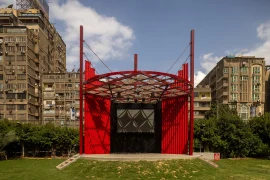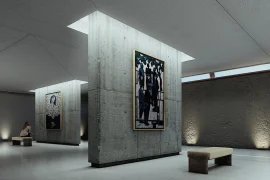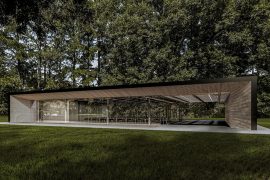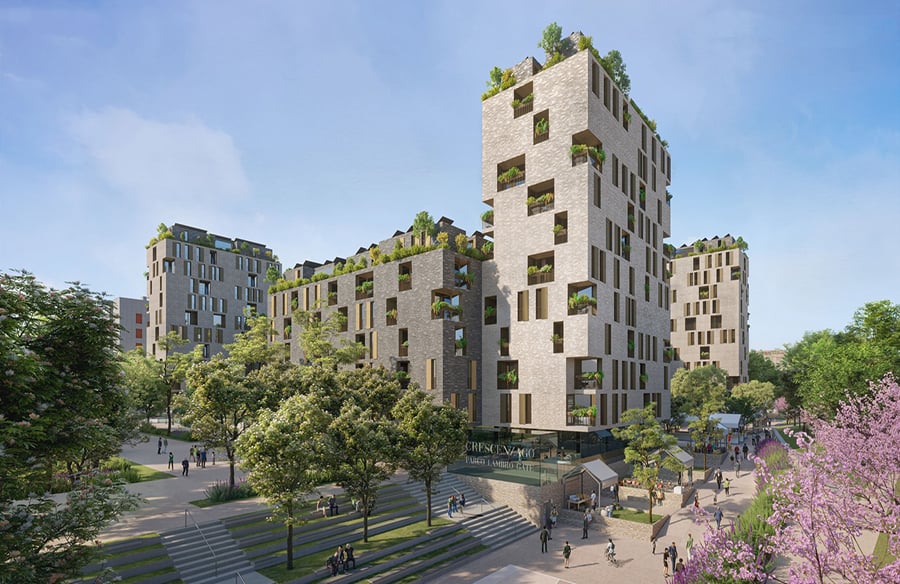
The project constitutes the evolution of the winning proposal of the Reinventing Cities competition by the network of metropolises called C40 “Cities Climate Leadership Group”.
Project Name: Green Between
Studio Name: ARW Associates
Location: Milan , Italy
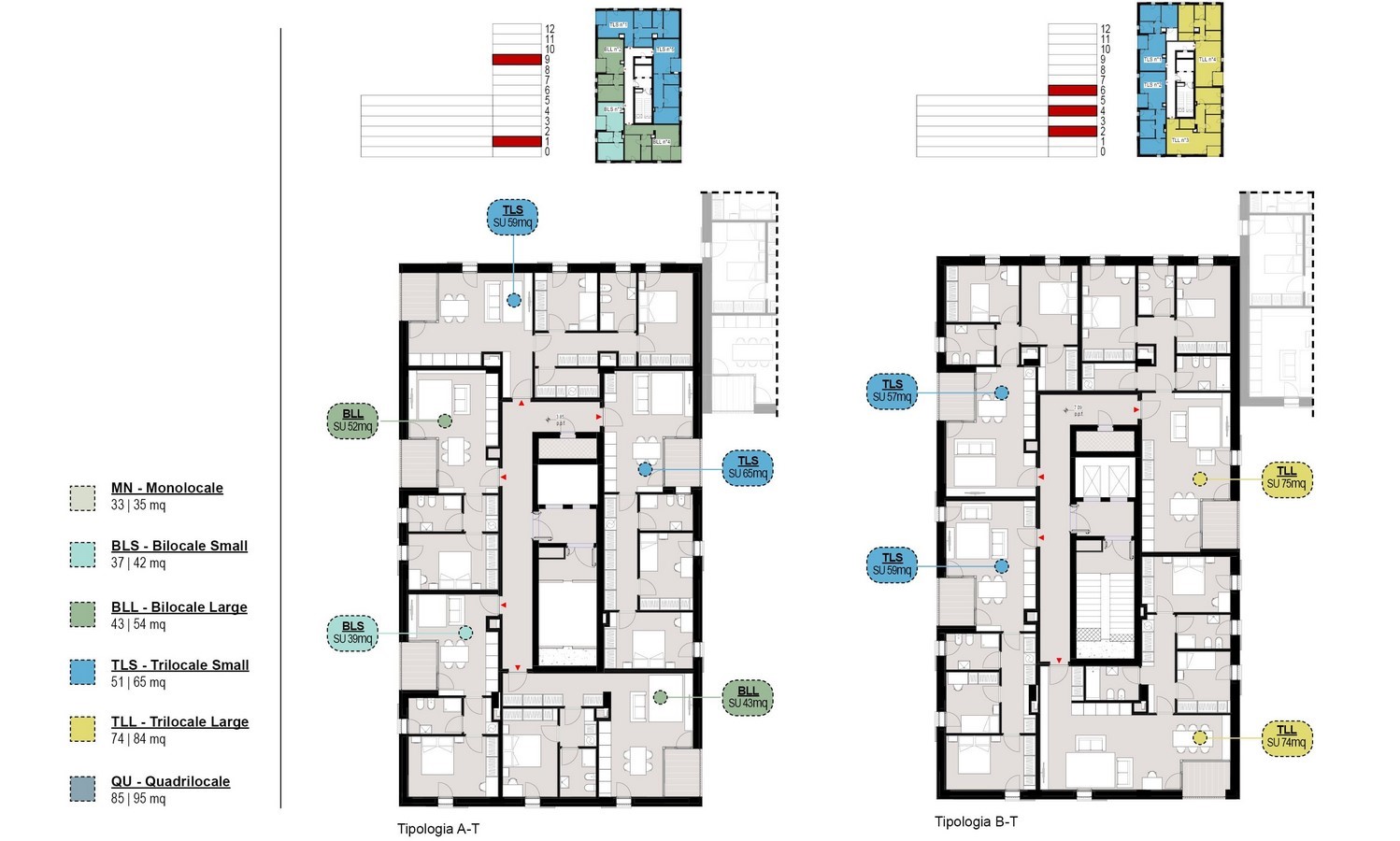
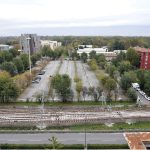
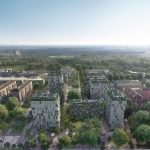
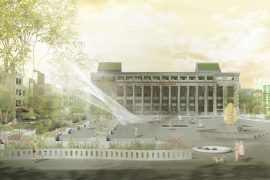
Green Between, Urban Textures, aims at being Carbon Neutral, transforming the area of a former parking spot in Crescenzago, now underutilized, into a neighborhood rich of services, activities and innovative housing solutions for young people and families.
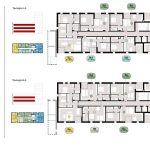
From an urban planning point of view, the uses configured by the urban project are characterised by specific functions linked to social housing and collaborative living.
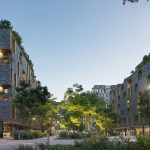
Decisive in the urban characterisation is the presence of shared open spaces, services and neighbourhood commercial spaces. As with all Reinventing Cities projects, there is a specific focus on environmental design inspired here by the resilience of natural systems.
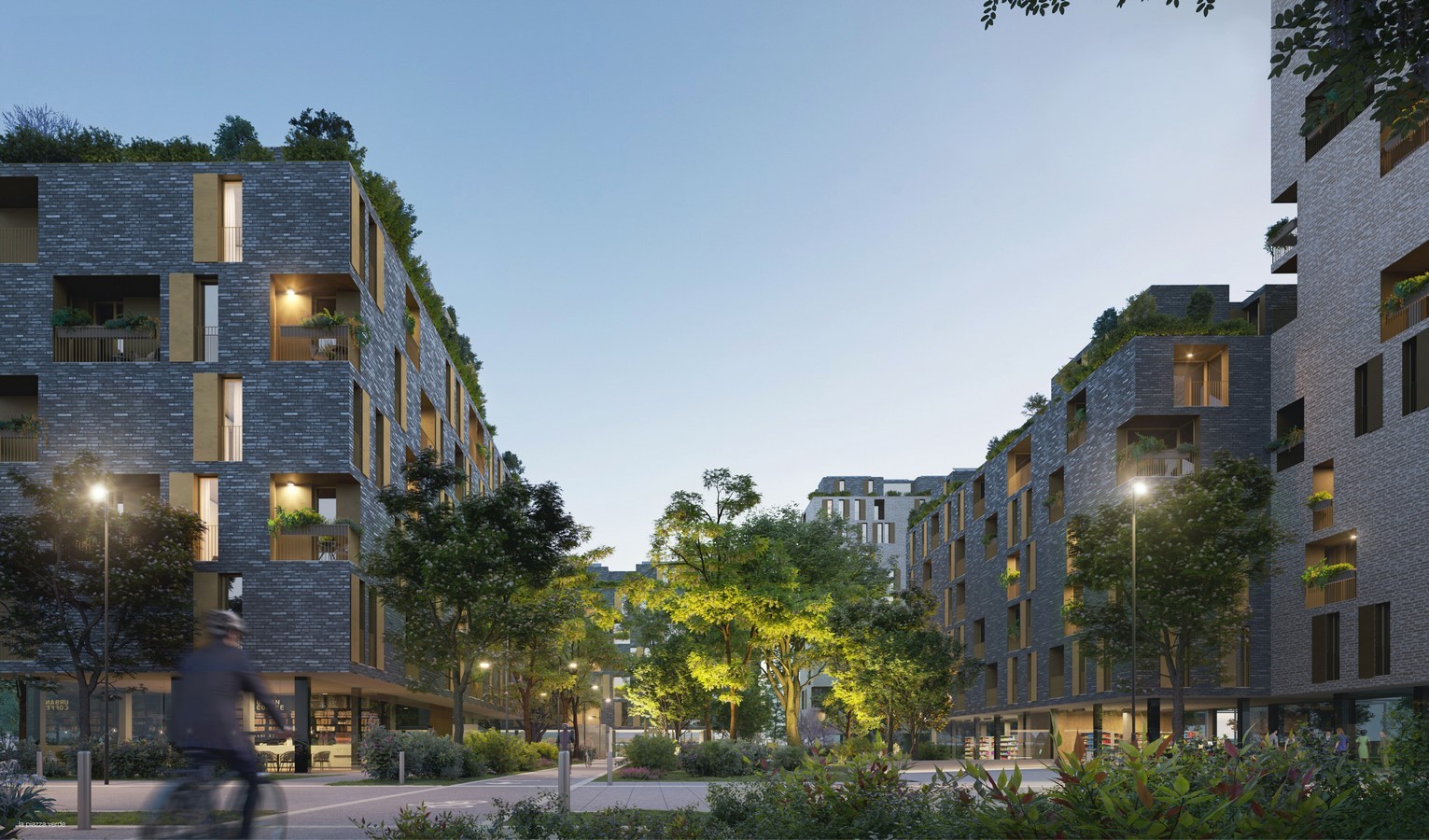
From an urban planning point of view, the uses configured by the urban project are characterised by specific functions linked to social housing and collaborative living. Decisive in the urban characterisation is the presence of shared open spaces, services and neighbourhood commercial spaces. As with all Reinventing Cities projects, there is a specific focus on environmental design inspired here by the resilience of natural systems.
The Project responds to the 10 challenges proposed by Reinventing Cities by reconfiguring an area currently little used through experimentation with new housing models and services with the objectives of – create a social mix – minimise CO2 emissions – maximise the integration of open spaces with squares and gardens in relation to the Lambro Park;- generate a virtuous circularity for the neighbourhood, creating a connection network served by public transport with a strong vocation; – facilitate light mobility (bike hub) with the creation of social relations in the new squares and places for the community. The public space becomes the real social gathering place for the entire surrounding urban area, used as a venue for collective and commercial activities.
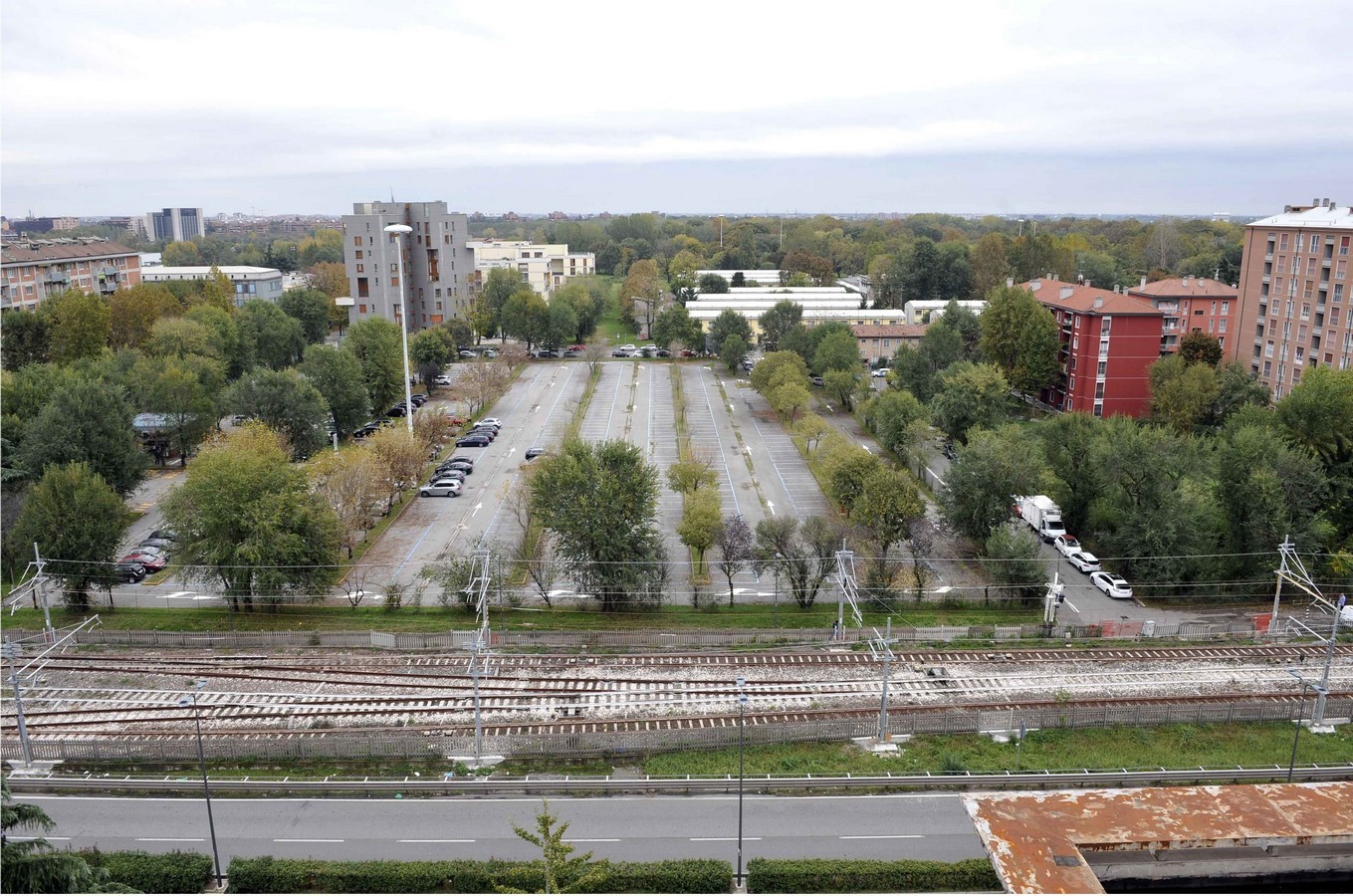
The main objective of this intervention is to take over the existing context by reversing its
character of marginality into one of qualitative and identity-based urbanity, thus achieving a substantial ‘city effect’ that changes the physical and social dimension of the entire neighbourhood. There are two central elements in the definition of urban space: • The first is related to the generation of a public space that regulates relations between the built-up area, differentiating and specifying new urban hierarchies with a high permeability and sharing of ground space.
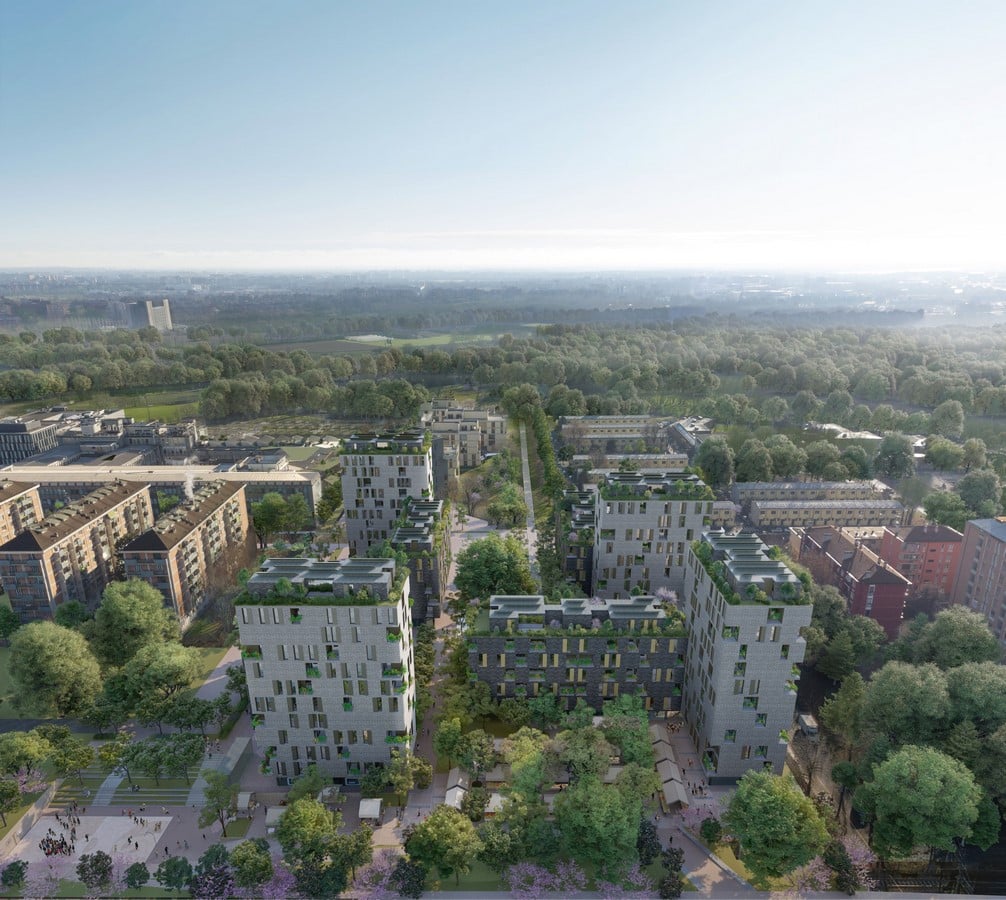
There are two founding elements in which the settlement concept materialises: a) the extension of the ‘green rambla’ towards the Crescenzago station as an element that constitutes the relationship between the station and Lambro Park, becoming its ‘gateway’. b) the public space perpendicular to the ‘green Rambla’ and constituting its ‘head’, where
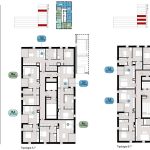
on one side there is access to the subway and on the other side the market area. • The second refers to the definition of the new built space that realises measured and recognisable places: strongly characterised and differentiated open spaces are proposed that change the dimension from the homologating and segregating seriality of those existing around, belonging only to the apartment blocks of reference.
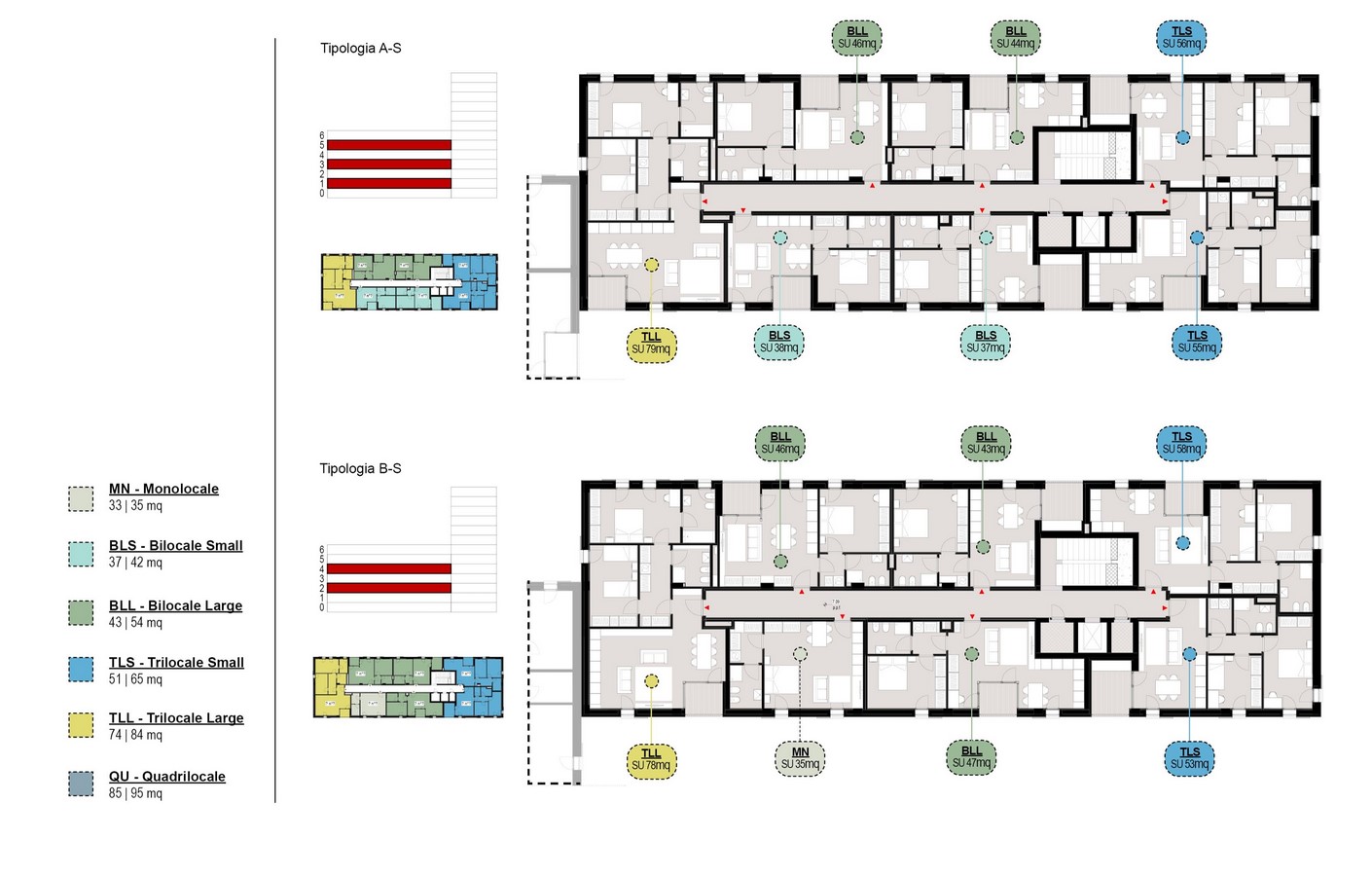
The built-up area here becomes an articulation of qualitative spaces, relating to the
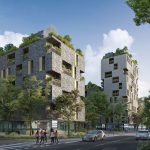
existing one and overturning its characters of peripherality. The architectural volumes
in their binary simplicity declined into “line” and “tower” bodies dialogue with each
other in order to create an aggregation that restores the complexity of an urban
fabric. The settlement scheme is configured in close relation to the existing building,
of which it overturns the assumptions of closure into openness and integration.