
Property maintenance management is the process of overseeing and coordinating the upkeep of real estate properties to ensure they remain in good condition. It involves different activities, including preventive, routine, and emergency maintenance tasks.
As the name suggests, preventive maintenance helps prevent issues before they arise, while routine maintenance keeps properties in good condition. Meanwhile, emergency maintenance addresses unexpected problems like leaks or electrical failures.
Don’t worry, we’ll talk more about these and other key aspects of property maintenance management below.
But property maintenance management is not just about keeping a property looking good. These tasks are also vital in ensuring safety and compliance with regulations.
And, of course, the better you can maintain your property, the more tenants you can retain. This contributes directly to your bottom line.
Let’s look at other reasons you don’t want to ignore property maintenance management in real estate.
Importance of Property Maintenance Management in Real Estate
Proper property maintenance management keeps your real estate investment profitable and problem-free. It ensures that buildings remain safe, compliant, and appealing to tenants.
Here’s why it matters:
- Protects property value – Regular upkeep prevents wear and tear. This preserves the long-term value of your property.
- Reduces costly repairs – Fixing minor issues early prevents expensive emergencies.
- Ensures legal compliance – Following safety and building codes protects you from fines and legal trouble down the road.
- Improves tenant satisfaction – Well-maintained properties attract and retain tenants.
- Boosts operational efficiency – A well-structured maintenance plan reduces downtime and unexpected disruptions.
You don’t want to ignore maintenance duties, otherwise, you’ll have to deal with safety hazards, higher expenses, and unhappy tenants.
But what exactly does real estate property management involve? Let’s look at that next.
Key Aspects of Real Estate Property Maintenance Management
Here are five things you need to do for effective real estate maintenance management:
Preventive Maintenance
Preventive maintenance addresses small issues early so that you don’t have to deal with major, costly repairs later. It involves regular inspections, servicing, and replacements.
HVAC servicing is one good example of preventative maintenance. This includes cleaning filters and checking for leaks to prevent system failures.
Other examples include roof inspections and plumbing checks
A proactive approach is necessary if you want to extend the lifespan of key systems and reduce unexpected expenses.
Reactive (Corrective) Maintenance
Unfortunately, preventive maintenance will never be enough to keep your property problem free. It reduces issues, but, once in a while, you’ll have to deal with a few break downs here and there. That’s where corrective maintenance comes in.
Corrective or reactive maintenance addresses unexpected problems like a burst pipe or electrical outage. Quick action is required here to minimize damage and restore functionality.
The best way to prepare yourself for corrective maintenance is to have a contact list for different property repairs. For instance, having an emergency contact list for plumbers and electricians can help resolve issues promptly.
Tenant Maintenance Requests
Addressing tenant maintenance requests is vital if you want to maintain tenant satisfaction and your retention rates.
That said, you’ll need to create and communicate a clear process for receiving, prioritizing, and resolving these requests. This can be facilitated through online portals or dedicated maintenance hotlines.
You’ll also need to communicate with your tenants to inform them when their requests are received, how (not if) they’ll be addressed, and the relevant timelines.
Vendor and Contractor Management
You’ll need to work with several service providers to keep your property in good condition. Effective vendor and contractor management helps you select reliable service providers, negotiate fair contracts, and ensure compliance with safety standards.
Seasonal and Compliance Related Maintenance
Seasonal maintenance includes tasks like winterizing pipes and preparing HVAC systems for summer.
Keep in mind that some seasonal maintenance tasks are required by law. For example, conducting annual fire alarm tests is required by local fire regulations.
6 Best Practices to Follow for Effective Property Maintenance Management
You now have an idea of the tasks you must do to maintain the value of your property and comply with relevant regulations. Let’s now look at some best practices that can make your work easier and more effective.
1. Use Property Management Software
Managing maintenance manually is time-consuming and inefficient. You need a property management software.
A property management tool automates work orders, and tracks repairs. It also keeps all your maintenance and repair records in one place. This streamlines your maintenance duties and makes it easier for you to demonstrate your compliance to the authorities.
Fr example, some of the property management software solutions provided by Yardi Consultants allow landlords and property managers to automate accounting, manage documents and schedule inspections with ease. Tenants can also submit maintenance requests digitally through some property management tools.
2. Have a Preventive Maintenance Plan
Without a plan, maintenance becomes reactive, and this leads to costly repairs. You don’t want that.
Build a strong preventive maintenance plan that includes regular inspections and servicing of essential systems like HVAC, plumbing, and roofing.
For example, you can schedule an annual HVAC servicing date to prevent sudden breakdowns during peak summer or winter months.
You should also keep detailed records of past maintenance. This makes it easy for you to identify recurring issues and plan future repairs before they turn into costly emergencies.
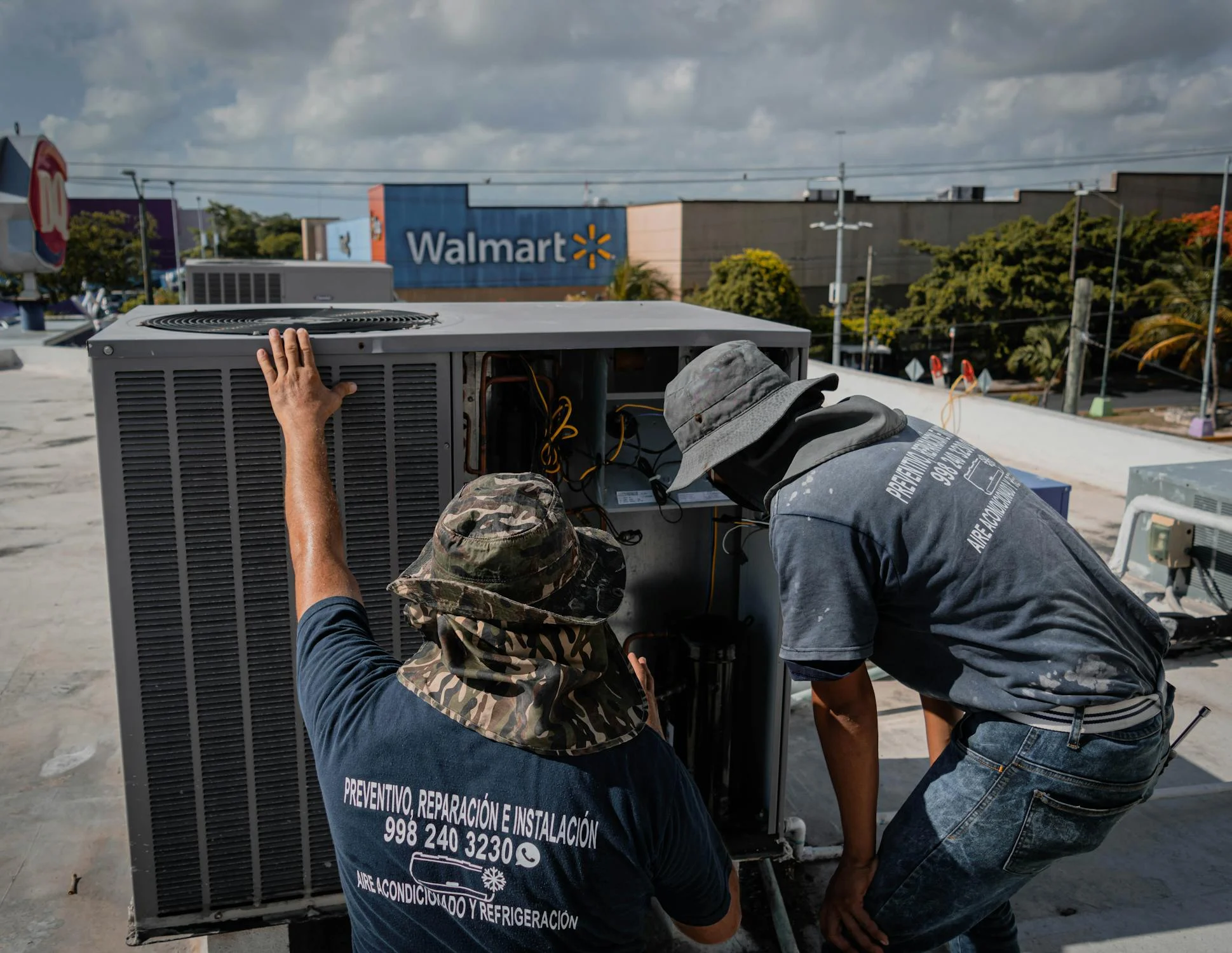 3. Build a Reliable Network of Vendors
Good contractors are essential for timely and high-quality maintenance work. You must build a network of trusted vendors to ensure repairs are handled professionally and at a fair price.
Vet contractors for experience, licenses, and reliability before getting started. It’s also better and more cost-effective if you negotiate long-term service agreements.
But, more importantly, you must have backup vendors. These will be a lifesaver when your go-to vendor isn’t available during an emergency.
4. Create an Emergency Response Plan
There will always be a risk of emergencies like flooding, electrical failures, or structural damage.
A well-structured emergency response plan outlines the steps to take, who to call, and how to minimize damage when such emergencies occur.
For instance, if a pipe bursts, property managers and tenants should know where the main shutoff valve is and have a reliable plumber on call.
Your staff and tenants should also know fire exits, safety procedures, and emergency contact numbers.
5. Encourage Tenant Communication
Tenants are the first to notice maintenance issues. That’s why you must establish clear communication channels with them.
So, provide a simple way for tenants to report problems whenever they occur. This can be through a tenant portal, email, or phone.
You must also acknowledge requests promptly and provide updates on repair timelines. This builds trust and encourages your tenants to continue reporting issues as early as they occur.
In Closing
Property maintenance management protects your investment, keeps tenants happy, and ensures legal compliance. It helps you run your business smoothly and avoid unnecessary headaches.
This article looked at different ways you can manage your property effectively. Use property management software, implement a preventive maintenance plan, and build a reliable network of vendors. You also want to encourage tenant communication, prepare for emergencies, and keep detailed records of all operations.
Do this and you will save more money, build your reputation, and keep your tenants happy. Good luck!