The real estate industry is undergoing a significant transformation, driven by artificial intelligence (AI). One of the most impactful areas AI is changing is energy management. As buildings account for nearly 40% of global energy consumption, integrating AI into real estate operations is essential for sustainability, cost savings, and efficiency.
1. Smart Energy Monitoring and Optimization
AI-powered energy management systems (EMS) continuously monitor and analyze energy consumption patterns in real time. These systems use machine learning algorithms to detect inefficiencies, predict demand, and optimize energy use. By automating energy distribution, AI ensures that buildings consume only what is necessary, reducing waste and operational costs.
2. Predictive Maintenance for Energy Efficiency
AI enhances predictive maintenance by identifying potential equipment failures before they occur. Smart sensors and AI-driven analytics can detect anomalies in HVAC systems, lighting, and other energy-intensive infrastructure. This proactive approach reduces downtime, extends equipment lifespan, and prevents costly emergency repairs, ultimately improving a building’s energy efficiency, according to https://resustain.com/.
3. AI-Driven Climate Control and Smart Thermostats
AI-powered climate control systems learn occupant behavior and adjust heating, cooling, and ventilation accordingly. Smart thermostats, equipped with AI, dynamically regulate temperature settings based on occupancy patterns, external weather conditions, and real-time energy prices. This not only improves tenant comfort but also reduces excessive energy use.
4. Renewable Energy Integration and Grid Management
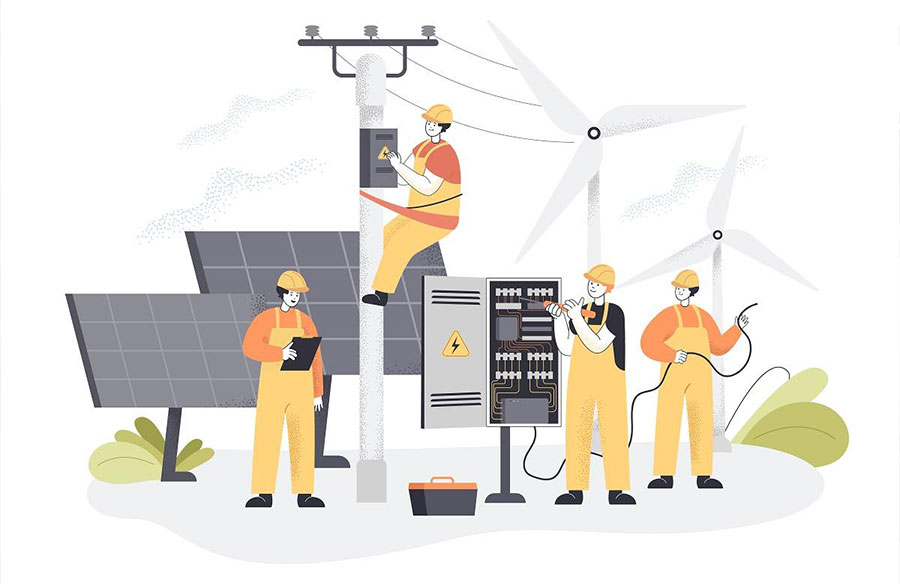
With the growing adoption of renewable energy sources like solar and wind, AI plays a crucial role in optimizing their integration into real estate. AI can predict energy production levels, store excess energy efficiently, and decide when to draw power from the grid or use on-site renewable sources. This intelligent grid management minimizes reliance on fossil fuels and lowers energy costs.
5. AI-Powered Energy Audits and Sustainability Reports
Traditional energy audits are time-consuming and often require manual inspections. AI simplifies this process by analyzing energy consumption data, identifying inefficiencies, and providing actionable insights. AI-driven sustainability reports help building owners comply with green building regulations and improve their ESG (Environmental, Social, and Governance) performance.
6. Automated Demand Response for Cost Savings
AI facilitates automated demand response (ADR) programs, which adjust energy consumption during peak demand hours to prevent grid overload. By leveraging AI, property managers can reduce electricity costs through dynamic pricing strategies while contributing to overall energy grid stability.
7. AI and IoT: A Powerful Combination
The integration of AI with the Internet of Things (IoT) enhances real-time monitoring and energy automation in smart buildings. IoT sensors collect vast amounts of data, which AI processes to optimize energy consumption, detect inefficiencies, and predict future energy needs.
Conclusion
AI is revolutionizing energy management in real estate by making buildings smarter, more efficient, and more sustainable. From predictive maintenance and climate control to renewable energy optimization and demand response, AI-driven solutions are helping property owners and managers cut costs and reduce environmental impact. As AI technology continues to advance, its role in energy management will become even more integral to the future of real estate.