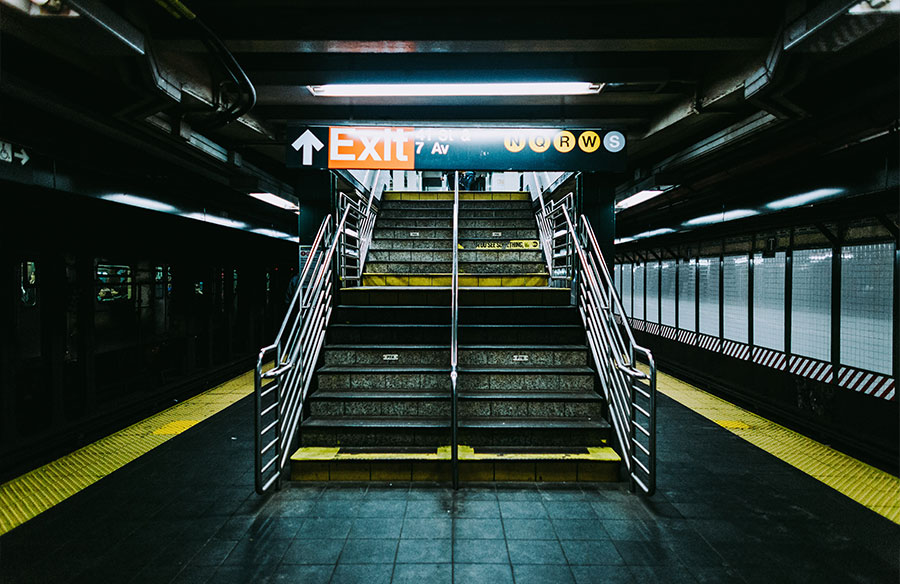
The safety of the New York Subway system is a topic of much debate among commuters and tourists alike. While some riders express concerns about crime and overcrowding, others find the subway to be a convenient and efficient way to navigate the city. In reality, when considering crime statistics and safety measures in place, many passengers feel secure while using the subway, particularly during peak hours.
Authorities continually implement safety protocols and surveillance measures to enhance rider safety. Many commuters report feeling safe during their travels, thanks in part to the presence of transit police and security cameras throughout the system.
History and Infrastructure of the New York Subway
The New York Subway has a rich history and a complex infrastructure that has evolved significantly over the years. Key developments in safety measures reflect a response to challenges that have arisen within the system.
Evolution of Safety Measures
Safety measures in the New York Subway have adapted over time, particularly in response to accidents and crime. Initially opened in 1904, the subway faced numerous challenges, including accidents that led to injuries and fatalities.
In response, the Metropolitan Transportation Authority (MTA) began implementing automated safety systems, emergency response protocols, and increased surveillance. In the 1990s, the addition of cameras at stations and on trains improved monitoring.
Current Infrastructure and Technology
The current infrastructure of the New York Subway consists of 472 stations and over 665 miles of track. The system utilizes a mix of older, historically significant components and modern technology.
Signals are crucial for safe train operations, with many lines recently transitioning to a modernized signaling system called Communications-Based Train Control (CBTC). This technology enhances train frequency and reduces the chances of collisions.
Additionally, the MTA invests in accessibility through elevator installations and upgrades to stations. Emergency response procedures have also improved, with specific training focused on medical incidents. For those affected by injuries in the subway, consulting with a NYC Personal Injury Lawyer can provide necessary legal guidance.
Safety and Performance
An analysis of safety statistics reveals essential insights regarding crime rates and incidents within the New York Subway system. This information is critical for both riders and stakeholders involved in transit safety.
Crime Rates in the Subway
Crime rates in the New York Subway have fluctuated over the years. According to recent data, major crimes have seen a decrease, but subway crimes still generate concern.
The NYC Transit Authority has implemented strategies to enhance safety. Increased surveillance, a strengthened police presence, and community outreach programs have contributed to the efforts.
Despite these measures, riders remain cautious. They often consider personal safety a priority when traveling.
Accidents and Injuries
Accidents on the subway tracks can lead to significant injuries. While many injuries stem from slips and falls, others involve serious cases due to train-related accidents.
Common types of injuries include:
- Slips and falls: Often occurring during boarding and alighting from trains
- Platform accidents: Involving individuals who fall onto the tracks
- Unexpected stops: Sudden braking causing passengers to lose their balance
In the event of an injury, consulting a NYC Personal Injury Lawyer can provide guidance on legal rights and potential claims. The legal process may offer avenues for compensation and accountability for negligence.
Safety Protocols and Emergency Response
The New York Subway system employs multiple safety measures to maintain security and ensure a timely response during emergencies. These protocols encompass surveillance, policing, and emergency procedures that are designed to protect commuters and staff.
Surveillance and Policing
The Subway utilizes a network of surveillance cameras, estimated to be over 10,000, installed throughout the system. These cameras monitor train platforms, entrances, and other key areas to deter crime and provide evidence when incidents occur.
Apart from video monitoring, the New York Police Department (NYPD) has a dedicated Transit Division. Officers patrol stations and trains regularly, addressing issues such as fare evasion and disorderly conduct. They also coordinate with emergency services, ensuring a rapid response to any distress signals.
Emergency Procedures and Evacuations
In the event of an emergency, the Subway has established procedures to ensure the safety of passengers. Staff are trained to assist in evacuations and communicate critical information effectively.
Each subway station has emergency exits and signage to guide passengers to safety. Alerts are communicated through loudspeakers and electronic displays. Regular drills are conducted to prepare employees for various emergencies, including medical incidents, fires, or security threats.
Efficient coordination with local emergency services enhances the system’s response capabilities during critical situations, aiming to minimize disruption and maintain passenger safety.
Public Perception and Media Portrayal
Public perception of the New York Subway’s safety is significantly influenced by high-profile incidents and the media’s role in framing public opinion.
Effects of High-Profile Incidents
High-profile incidents, such as violent crimes and accidents within the subway system, can create a lasting impact on public perception. Events like the 2022 subway shooting in Brooklyn amplified concerns about safety among commuters.
Incidents gain considerable media attention, influencing commuter behavior and ridership patterns. When such events occur, riders may feel vulnerable, leading to increased discussions about security measures and the need for designated safety initiatives.
Role of the Media in Shaping Perceptions
The media plays a critical role in shaping public perceptions regarding subway safety. News outlets tend to focus on sensational stories that attract viewers, often emphasizing negative incidents.
Coverage can misrepresent the reality of safety within the subway system, leading to heightened anxiety. Frequent reports on crime can create a perception that the subway is inherently dangerous, overshadowing the numerous safe experiences commuters have daily.
Social media also contributes to this perception, with users sharing experiences and reactions that can amplify fear. This form of communication adds layers of interpretation that may distort the actual situation.
Ultimately, the framing by the media can skew public perceptions, making it vital for consumers of these narratives to critically evaluate the information presented.
 Future of Subway Safety
Improvements in subway safety are imminent, driven by significant investments and the application of new technologies. The New York subway system is set to evolve, prioritizing both safety and rider experience.
Planned Improvements and Investments
The Metropolitan Transportation Authority (MTA) has outlined a comprehensive plan to enhance subway safety through infrastructure upgrades and increased funding. Investments will focus on:
- Enhanced Surveillance: Increasing the number of high-definition cameras for better monitoring of stations and trains.
- Emergency Response: Implementing additional training and resources for staff to handle emergencies effectively.
- Station Upgrades: Renovating older stations to improve lighting and visibility, which can deter crime.
Funding for these initiatives has increased, with more emphasis on community safety and rider experience. These planned improvements aim to create a secure environment for all passengers.
Technological Innovations
Technological advancements are crucial for the future of subway safety. The MTA plans to integrate several key innovations:
- Contactless Payment Systems: These reduce physical contact and expedite boarding, making it safer for passengers during peak times.
- Real-Time Reporting Tools: New mobile applications will allow riders to report safety issues instantly, improving response time.
- AI Monitoring: Implementing AI technologies to predict and detect unusual behaviors can enhance surveillance.
By leveraging modern technology, the MTA aims to create a safer and more efficient subway experience. These innovations will foster a proactive approach to safety management.