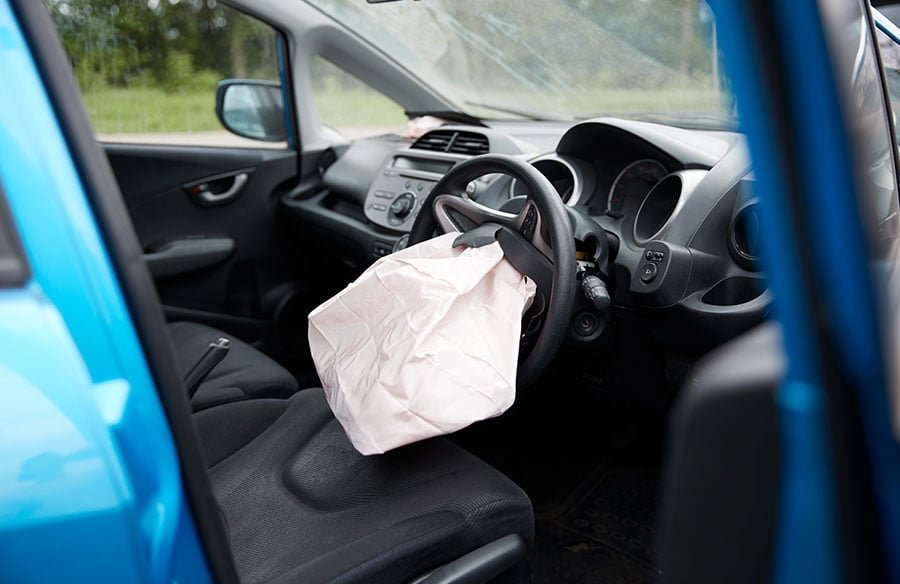
Car safety features are designed to save lives, but they can also cause serious injuries. Airbags and seatbelts reduce the risk of fatal crashes, yet they often leave drivers and passengers with broken bones. The force needed to keep someone secure during a collision can be strong enough to fracture ribs, wrists, and even facial bones. While these safety devices are essential, understanding their risks can help drivers take extra precautions.
Many accident victims walk away from a crash alive but in significant pain due to fractures. Airbags deploy at speeds of up to 200 miles per hour, and seatbelts lock tightly to keep passengers in place. The same force that prevents fatal injuries can put immense pressure on the body, leading to broken bones. Knowing how these injuries happen can help victims get the right medical and legal support after a crash.
The Double-Edged Sword of Airbags
Airbags are one of the most important advancements in car safety, but they come with risks. When they deploy, they create a powerful impact that can break noses, cheekbones, and even ribs. People wearing glasses are especially vulnerable to facial fractures, while smaller passengers may suffer more severe injuries. The force of the airbag is meant to prevent head trauma, but it can still leave lasting damage.
In some cases, airbags can cause hand and wrist fractures if a driver’s hands are positioned near the steering wheel during deployment. Passengers who sit too close to the dashboard are also at a higher risk of serious injuries. While airbags save lives, adjusting the seat position and keeping hands at the proper wheel placement can reduce the risk of fractures. For those injured in a crash, seeking an Austin car accident lawyer can help in understanding legal options and compensation for medical treatment.
Seatbelt Injuries: Necessary but Painful
Seatbelts are crucial for survival in a crash, but they can also cause painful fractures. When a vehicle suddenly stops, the seatbelt tightens across the chest and pelvis, sometimes with enough force to crack ribs or collarbones. In high-speed collisions, the lower belt can put extreme pressure on the hips, leading to pelvic fractures. While these injuries are serious, they are far less life-threatening than being ejected from a vehicle.
Improper seatbelt use increases the risk of severe fractures. Wearing a seatbelt too high across the stomach or too loosely can cause more harm in an accident. Children and shorter adults may need seatbelt adjusters to ensure the straps sit correctly on the chest and hips. Positioning the seatbelt properly helps minimize the risk of broken bones while still providing essential protection.
Rib Fractures and Breathing Difficulties
Rib fractures are one of the most common injuries caused by airbags and seatbelts. The sudden force from a collision can crack or break ribs, making breathing painful and movement difficult. In severe cases, a broken rib can puncture a lung, leading to life-threatening complications. Even minor rib fractures take weeks to heal and can make daily activities challenging.
People with osteoporosis or other bone conditions are more vulnerable to rib fractures in accidents. Wearing padded clothing or seatbelt cushions can provide a small layer of protection. Adjusting the seat distance from the airbag can also help reduce impact forces. While rib injuries are painful, they are often a sign that the body was protected from far worse trauma.
Airbags and Wrist Fractures: A Hidden Risk
Drivers who grip the steering wheel tightly during a crash are at high risk for wrist fractures. When an airbag deploys, it pushes back with extreme force, slamming the driver’s hands into the wheel. This impact can break the small bones in the wrist, making it difficult to move the hand or fingers. Recovery from these fractures can take months, sometimes requiring surgery or physical therapy.
Keeping hands at the proper “9 and 3” position instead of “10 and 2” can reduce the risk of wrist fractures. Drivers should also avoid crossing their arms over the steering wheel while turning, as this increases the chance of injury during airbag deployment. Wearing properly fitted gloves can provide a slight buffer against impact forces. While these steps won’t prevent every injury, they can help lessen the severity of fractures in a crash.
Collarbone and Shoulder Fractures from Seatbelts
Collarbone fractures are another painful consequence of seatbelt restraint during a crash. The upper strap of the seatbelt presses hard against the collarbone, sometimes with enough force to break it. This injury is especially common in front-end collisions where the sudden stop forces the body forward. While painful, a fractured collarbone is still far better than being thrown through the windshield.
Shoulder injuries often accompany collarbone fractures due to the way seatbelts distribute force. People with narrow shoulders or weaker bones may be more vulnerable to these injuries. Adjusting the shoulder strap so it rests properly across the chest rather than near the neck can help reduce pressure. While seatbelts can cause fractures, they remain the most effective way to prevent fatal injuries in a crash.
Preventing Fractures While Staying Safe
While airbags and seatbelts can lead to fractures, there are ways to reduce the risk. Sitting at the correct distance from the steering wheel helps minimize airbag impact while still allowing it to function properly. Wearing seatbelts correctly—positioned across the hips and chest—reduces pressure on vulnerable bones. Choosing cars with advanced airbag technology, such as multi-stage deployment, can also lessen injury severity.
Regular car maintenance ensures that safety features work as designed. Older airbags may deploy with more force than newer models, increasing the risk of fractures. Drivers should also be mindful of their posture while driving to avoid unnecessary strain in an accident. Staying informed about safety features and their risks can help drivers make better choices on the road.
Balancing Protection and Injury Risks
Airbags and seatbelts are not perfect, but they remain essential for survival in car accidents. While they can cause painful fractures, these injuries are far less severe than the consequences of not using them. Understanding how to position the body correctly can reduce the likelihood of broken bones while still ensuring maximum protection. Safety should always come first, but small adjustments can make a big difference.
Even with the best precautions, accidents happen, and injuries can be unavoidable. Knowing the risks helps drivers and passengers make informed decisions about their safety. While fractures from airbags and seatbelts are painful, they are often a necessary trade-off for avoiding fatal injuries. In the end, proper use of these safety features saves far more lives than they harm.