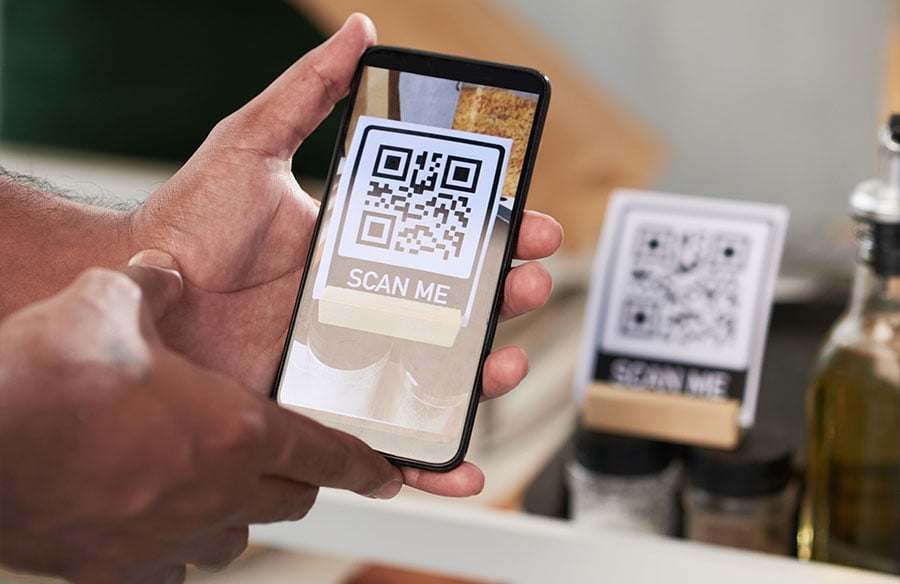
QR code stickers have become a key feature in modern interior design, seamlessly blending physical spaces with digital interactivity.
Whether enhancing user experiences, optimizing home management, or promoting sustainability, these compact yet powerful tools are redefining how people engage with interior spaces.
Enhancing User Experiences With QR Code Stickers
QR code stickers can elevate the way people interact with interiors. Placed strategically in homes, hotels, or office spaces, they offer instant access to relevant digital content, such as design inspirations, room functionalities, or historical insights.
For example, luxury hotels can use QR codes to provide guests with virtual concierge services, offering information on room controls, dining options, and local attractions.
Similarly, high-end furniture showrooms can embed QR codes in displays to link customers to detailed product descriptions, customization options, or virtual placement previews.
Integrating Technology Into Interior Aesthetics
Incorporating QR code stickers into interior design requires a thoughtful approach to aesthetics. Designers often integrate these codes within decorative elements such as wall art, furniture labels, or minimalist plaques to ensure they complement the overall decor.
For instance, a modern living room might feature a QR code embedded in a stylish coffee table, offering insights into its materials and sustainability credentials.
Smart home systems can also include QR codes in their control panels to provide users with instant access to instructional guides, system updates, or home automation settings.
Streamlining Home and Office Management
Beyond enhancing aesthetics, QR code stickers play a crucial role in organizing and managing interior spaces. Homeowners and office managers can use them to streamline maintenance, optimize workflow, and improve accessibility to essential resources.
For example, placing QR codes on kitchen appliances can link users to user manuals, troubleshooting guides, and warranty information.
In a corporate setting, QR codes on office desks can enable seamless hot-desking, providing employees with booking options, workstation details, and connectivity instructions.
Promoting Sustainability Through Digital Access
QR code stickers align with the growing trend of eco-conscious interior design by reducing the need for printed materials.
Instead of physical instruction booklets or product catalogs, designers and brands can use QR codes to provide digital access to resources like assembly guides, eco-certifications, or recycling instructions.
A sustainable home could incorporate QR codes to educate residents about its energy-efficient features, such as solar panels, smart lighting systems, or water-saving fixtures. This approach not only minimizes waste but also fosters a more informed and environmentally responsible lifestyle.
Improving Accessibility in Public and Commercial Interiors
Public and commercial spaces benefit significantly from the inclusion of QR code stickers. They can provide real-time updates on store promotions, wayfinding solutions, or multilingual customer support.
For example, a high-end shopping mall might use QR codes on directory boards to offer interactive maps, event schedules, and personalized shopping recommendations.
Museums and art galleries can enhance visitor engagement by embedding QR codes into exhibits, allowing guests to access audio guides, artist biographies, and related digital content.
Facilitating Smart Home and Smart Office Solutions
As interior spaces become smarter, QR codes play an essential role in home automation and office efficiency. They can be used to control lighting, temperature settings, or security systems through seamless mobile integration.
For example, scanning a QR code near a smart thermostat could allow users to adjust climate settings, monitor energy usage, or set automation schedules. Similarly, smart offices can place QR codes on conference room doors, enabling employees to check availability, book meetings, or access presentation tools instantly.
Showcasing Interior Design Innovations
Interior designers and brands can leverage QR code stickers as storytelling tools to highlight innovative materials, craftsmanship, and design concepts.
For instance, a luxury furniture brand might include QR codes on its products, linking customers to behind-the-scenes videos of artisans crafting the pieces.
Interior designers can use QR codes in their portfolios to showcase 3D renderings, before-and-after transformations, or client testimonials, creating an interactive and immersive experience for potential clients.
Design Considerations for Effective Integration
To maximize effectiveness, QR code stickers should be designed with usability and aesthetics in mind. Factors like size, contrast, and placement are crucial for ensuring easy scanning while maintaining the visual appeal of the space.
For example, embedding QR codes discreetly within decorative elements—such as a bookshelf, countertop, or picture frame—ensures they serve a functional purpose without disrupting the overall design harmony.
Real-World Applications of QR Codes in Interior Design
- Luxury Homes: Smart home integrations, appliance manuals, and personalized lighting or climate settings.
- Retail Stores: Digital catalogs, promotional offers, and contactless checkout options.
- Hospitality Industry: Virtual concierge services, room customization settings, and sustainability initiatives.
- Corporate Offices: Hot-desking solutions, interactive directories, and employee resource portals.
- Museums & Galleries: Virtual tour guides, artist insights, and exhibit details.
These applications demonstrate the diverse potential of QR codes in enhancing functionality, accessibility, and sustainability in interior design.
Future Trends in Interior Design With QR Codes
As technology advances, QR codes in interior design will continue to evolve. Future trends include augmented reality (AR) integrations, personalized room settings, and AI-powered design recommendations.
For instance, scanning a QR code in a smart home might adjust ambient lighting based on mood preferences or offer AI-driven decor suggestions. In retail spaces, QR codes could enable virtual try-ons or real-time customization of furniture and decor.
Conclusion
QR code stickers are revolutionizing interior design by enhancing digital interaction, promoting sustainability, and streamlining space management.
Their versatility makes them an indispensable tool for designers aiming to create smart, connected, and aesthetically harmonious interiors.
By thoughtfully integrating these elements into spaces, designers can offer engaging and seamless experiences that bridge the gap between the physical and digital world.