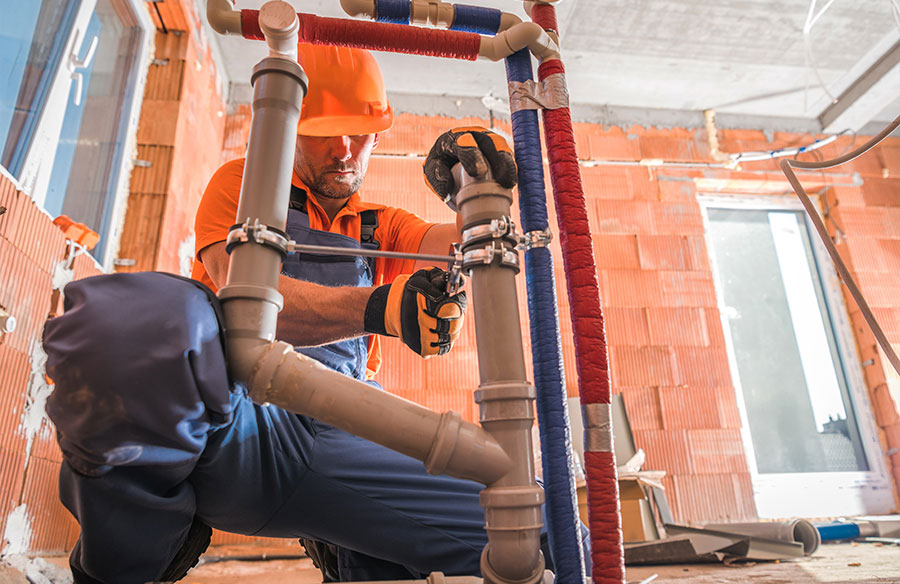
Plumbing in large-scale construction projects isn’t just about laying pipes and calling it a day. It’s about ensuring efficiency, durability, and compliance with regulations, without breaking the bank or running into costly delays. Whether you’re working on a high-rise, a massive commercial facility, or an industrial complex, smart plumbing decisions can save you time, money, and headaches down the road.
So, how do you get it right from the start? Let’s break down five best practices that can make a world of difference.
1. Plan It Right From Day One
You wouldn’t start building a house without blueprints, right? The same logic applies to plumbing. A solid, well-thought-out plan is the foundation of a successful plumbing system.
The best time to involve plumbing professionals is during the early design phase, working closely with architects and engineers to ensure the system integrates seamlessly with the rest of the project. Without proper planning, you could end up with design conflicts, misaligned pipe placements, or even a system that struggles to meet building code requirements.
A few things to consider:
- Capacity planning: How many water outlets, restrooms, or drainage systems will the building need?
- Future scalability: Will the plumbing system be able to handle future expansions or increased demand?
- Efficiency: Are you incorporating sustainable, cost-effective plumbing solutions to minimize waste and maximize longevity?
A little extra effort in the planning phase can save you from massive headaches later on.
2. Invest in High-Quality Materials & Fittings
It might be tempting to cut costs by opting for cheaper pipes and fittings but trust us, this is a decision that often backfires. Inferior materials lead to leaks, bursts, corrosion, and expensive repairs down the line. When it comes to large-scale plumbing, quality materials are a non-negotiable investment.
What should you look for?
- Durable pipes that resist corrosion and wear over time
- Reliable fittings that ensure a secure and leak-proof connection
- Valves and connectors designed for high-pressure and high-usage environments
For example, when selecting components like water tank fittings, it’s crucial to choose ones that meet industry standards to prevent leaks and system failures. Using high-quality fittings ensures longevity and reduces maintenance hassles, making your system more reliable in the long run.
Remember, spending a little more upfront can save a fortune on repairs and replacements.
3. Stay on Top of Building Codes & Regulations
Nothing slows down a project faster than failing an inspection. Plumbing is heavily regulated, and for good reason, it’s directly tied to health, safety, and environmental standards. Ignoring compliance can result in costly redesigns, legal issues, or even system failures that put the entire project at risk.
A few key areas to focus on:
- Local building codes: Every region has its own specific plumbing regulations. Stay updated!
- Water efficiency standards: Many areas now require water-saving fixtures and eco-friendly plumbing designs.
- Proper waste disposal: Industrial and commercial buildings often have strict wastewater treatment and disposal rules.
The best approach? Work with a licensed plumbing professional who knows the local regulations inside and out. Trust us, this isn’t an area where you want to take shortcuts.
4. Hire Skilled Professionals for Installation
Even the best materials won’t save you if the installation is botched. Large-scale plumbing isn’t a DIY job, it requires experienced professionals who know the ins and outs of complex systems.
Common installation mistakes include:
- Incorrect pipe slopes, which lead to poor drainage
- Poor sealing causes slow leaks that go unnoticed until they cause serious damage
- Improper joint connections lead to pressure issues and bursts
A skilled plumbing team ensures everything is installed to perfection, minimizing the risk of future issues. If you think hiring professionals is expensive, just wait until you see the cost of fixing a massive plumbing failure after the fact.
5. Regular Maintenance & Quality Inspections Are a Must
Once the plumbing system is in place, the job isn’t over. Routine maintenance and inspections are key to keeping everything running smoothly for years to come. Even minor leaks or small inefficiencies can turn into major problems if left unchecked.
Some essential maintenance steps include:
- Periodic leak detection to catch issues before they escalate
- Flushing out systems to remove sediment buildup
- Checking pressure levels to ensure everything is running optimally
- Inspecting fittings and seals to prevent wear and tear failures
Scheduling regular inspections will help catch potential issues early and prevent costly downtime. A proactive maintenance plan isn’t just smart—it’s essential.
Final Thoughts
Plumbing in large-scale construction projects is no small feat, but with the right approach, you can avoid common pitfalls and ensure a seamless system that stands the test of time. Plan early, invest in quality materials, follow the codes, hire the right people, and stay on top of maintenance. These best practices will save you from expensive repairs, legal troubles, and project delays.
At the end of the day, a well-designed and properly maintained plumbing system isn’t just about function, it’s about efficiency, longevity, and peace of mind. Make smart choices from the start, and your project (and your budget) will thank you later!