Ensuring Security and Efficiency of Payment Gateways in Smart Cities
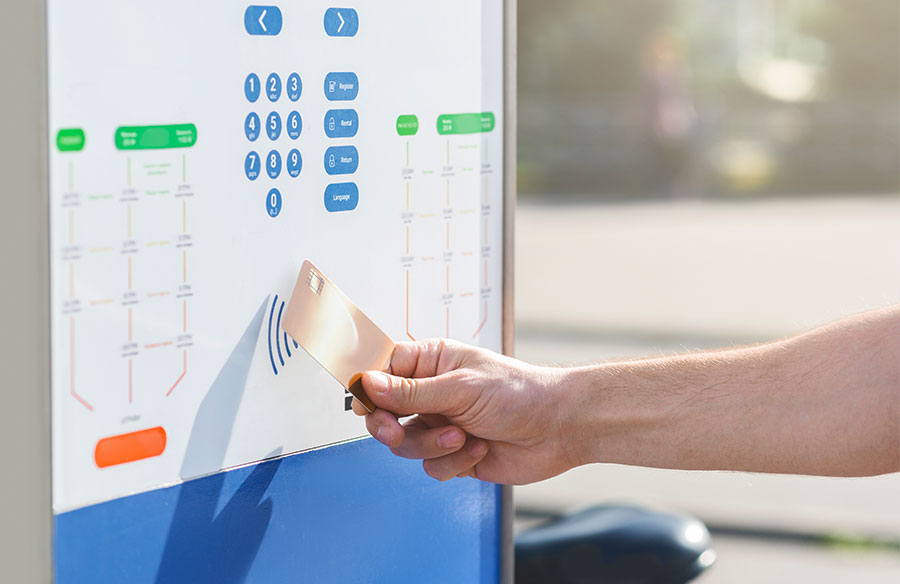
A payment gateway in smart cities is crucial for seamless, secure cashless transactions. It facilitates payments between users, merchants, and financial institutions, enabling methods like credit cards, mobile wallets, and cryptocurrencies. The gateway acts as an intermediary, ensuring interoperability between multiple payment systems.
In smart cities, a payment gateway supports interconnected devices and services. It enables payments for transport, utilities, and smart systems, processing transactions in real-time. The gateway integrates payment solutions into various city functions, enhancing convenience for residents. It plays a key role in smooth service operation, whether for public transport or smart home devices.
Security is a top priority for payment data in connected smart cities. A payment gateway uses encryption, multi-factor authentication, and tokenization to safeguard financial information. This system prevents fraud, unauthorized access, and data breaches, ensuring a secure environment for users and merchants, which is critical for maintaining trust in digital transactions.
How Payment Gateways Drive Smart City Growth with Cashless Payments
Payment gateways play a crucial role in accelerating the development of smart cities by enabling fast and secure cashless transactions. In an era of digitalization and growing technology adoption, these systems help integrate various urban services, such as transportation, utilities, and retail, into a unified ecosystem. This not only simplifies the payment process but also makes it more convenient for residents.
The use of payment gateways reduces transaction processing time, increases efficiency, and lowers operational costs. For instance, in smart cities, payments for public transport or utility services become instant, significantly improving service quality.
Cashless transactions foster the development of innovative technologies and stimulate the emergence of new services, such as mobile payments and “smart” payment systems. Ultimately, payment gateways not only accelerate financial processes but also act as a catalyst for the growth of smart, tech-driven solutions in cities.
Key Features of Efficient Payment Gateways for Smart Cities
A payment gateway is the key to the smooth running of smart cities. It facilitates seamless, safe, and easy transactions related to public utilities and services. In a smart city, a payment gateway can only be successful if it possesses some of the key features listed below:
Security
- The gateway should implement strong encryption of sensitive financial information in order to protect it from cyber threats.
Integration
- It should be integrated with all smart city services: transportation, energy, waste, and healthcare.
Scalability
- The system should be scalable to increase volumes of transactions based on growth in the city.
User-Friendly Interface
- There should be a very straightforward interface that makes it easy for the resident to make service payments without much friction.
Real-Time Processing
- The payment gateway should facilitate real-time transactions. By this, the system updates in real time, thus enabling quick service provisioning.
Transparency
- It means that the transparent transaction records and accounting systems further enhance accountability and build trust among citizens.
Such features ensure that, along with efficiency, the payment gateway furthers user satisfaction in a smart city ecosystem.
Smarter Transactions Power Innovation in Smart Cities
The Smart City is about innovation driven by secure transactions, not a necessity. Dataless transactions are a concept that redefines the use of security and privacy in cities. These are transactions that make minimal use of sensitive personal data, hence providing an improved customer experience and letting residents feel safe and secure.
When financial interactions can be enacted seamlessly and securely by its citizens, it spurs on economic growth. This is the very reason businesses grow: the more confident people are in a business, the more they spend and invest within local economies. This helps in community engagement with technology-where residents are very likely to be more engaged in civic initiatives or support local businesses once they have confidence in the systems that rule their interactions.
In effect, secure transactions are the founding blocks of a smart city with innovation. With secure transactions empowering developers, developers can design top-notch solutions based on user security and an advanced quality of living. Moving towards these advancements and improvements, creating an environment will be key towards shaping the destiny of urban cities.