Small island nations face an unprecedented threat from climate change. Rising sea levels, fueled by global warming, are steadily encroaching upon their territories, leaving their physical and cultural existence at stake. While these “sinking nations” confront a daunting future, innovative approaches in design and technology are offering them a lifeline. By creating resilient physical and digital spaces, these nations are charting a path to survival and sustainability.
Building Resilience Through Innovative Design
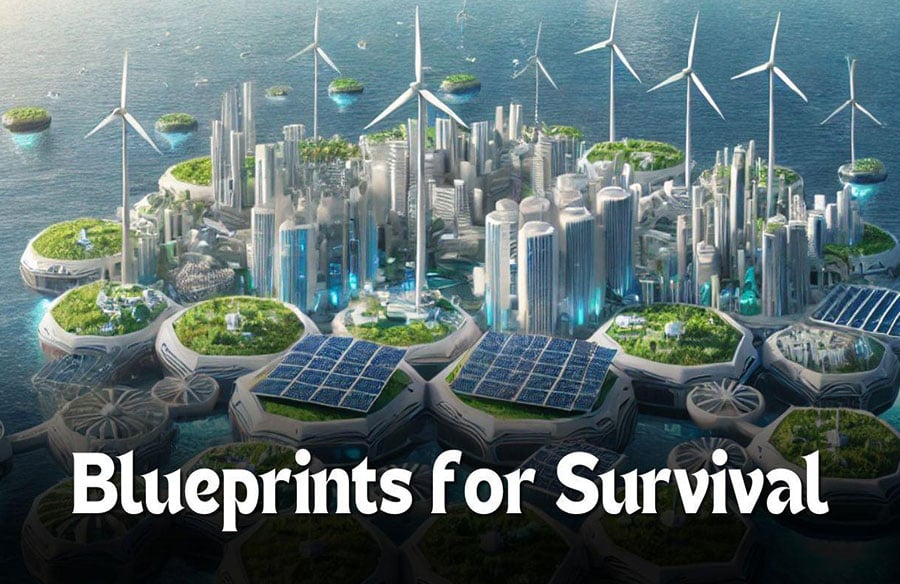
Sinking nations are turning to innovative architectural and urban planning solutions to mitigate the impact of rising sea levels. Floating cities, amphibious structures, and elevated infrastructure are becoming part of their long-term strategies. These designs are not only functional but also integrate sustainable technologies such as solar power, rainwater harvesting, and waste management systems.
The Maldives, for instance, has initiated floating city projects that combine traditional Maldivian architecture with modern engineering to adapt to changing environmental conditions. By prioritizing resilience in their physical spaces, sinking nations are creating environments that can withstand the challenges of climate change.
A study by ExpressVPN on protecting sinking nations highlights how innovative strategies, both digital and physical, are critical for safeguarding the future of these vulnerable countries.
Preserving Heritage in the Digital Realm
As the physical territories of sinking nations diminish, their cultural heritage faces the risk of being lost forever. To combat this, these nations are leveraging technology to preserve their identities. Digital archives are being developed to store oral histories, traditional practices, and artistic expressions.
For example, blockchain technology is being utilized to create immutable records of cultural assets, ensuring their authenticity and longevity. Virtual reality platforms allow users to explore recreated landmarks and experience the cultural richness of these nations, even if their physical counterparts are no longer accessible.
Digital Twins: A New Dimension of Sovereignty
Digital twin technology offers a groundbreaking solution for sinking nations. By creating virtual replicas of their physical landscapes, these nations can preserve their geographic identity and maintain their sovereignty on the global stage. Digital twins can serve as evidence in international disputes over territorial waters, helping secure the rights of these nations even if their lands are submerged.
In addition to geopolitical applications, digital twins enable real-time monitoring of environmental changes, providing valuable insights for disaster preparedness and mitigation. These tools are a testament to how technology can empower nations facing existential threats.
Collaborative Design for Climate Resilience
The challenges faced by sinking nations require a collaborative effort. Architects, engineers, and environmentalists from around the world are coming together to design solutions tailored to the unique needs of these nations. Open-source platforms and global partnerships are enabling the sharing of knowledge and resources, accelerating the development of climate-resilient infrastructure.
For instance, the Pacific Island Forum has established initiatives to foster collaboration among island nations, allowing them to pool resources and share best practices. These collective efforts are essential for designing solutions that are both innovative and culturally appropriate.
Cybersecurity and Digital Sovereignty
As sinking nations increasingly rely on digital tools, safeguarding their online presence becomes paramount. Cybersecurity measures are critical to protecting national databases, digital archives, and online identities from potential threats. Ensuring the security of .gov and .org domain names associated with these nations is an integral part of maintaining their sovereignty in the digital era.
Moreover, these nations are investing in education and training programs to build local expertise in cybersecurity, ensuring long-term digital resilience. By taking proactive measures, they are fortifying their digital landscapes against external threats.
Embracing Renewable Energy for Sustainability
The shift towards renewable energy is another key aspect of future-proofing sinking nations. Solar, wind, and tidal energy are being harnessed to power communities sustainably. These clean energy sources not only reduce dependence on fossil fuels but also support the resilience of infrastructure during natural disasters.
The integration of renewable energy systems into architectural designs further enhances their sustainability. For instance, solar panels are being incorporated into floating structures, ensuring uninterrupted power supply even in adverse conditions.
Advocacy and Awareness Through Digital Platforms
Digital platforms are playing a pivotal role in amplifying the voices of sinking nations. Social media campaigns, virtual conferences, and online petitions are drawing global attention to their plight. By sharing their stories with the world, these nations are fostering empathy and urging international action.
Campaigns such as #SmallIslandsMatter and #ClimateJusticeNow have successfully mobilized support from individuals and organizations worldwide. These digital initiatives demonstrate the power of technology in driving social change and advocating for climate justice.
A Global Call to Action
The survival of sinking nations is a shared responsibility. Wealthier nations and global institutions must provide financial and technical support to help these countries adapt to climate change. Investments in digital infrastructure, renewable energy, and climate-resilient designs are essential for ensuring their long-term survival.
As outlined in the E-International Relations article, global collaboration is key to addressing the challenges faced by sinking nations. By working together, the international community can help protect their physical and digital futures.
Conclusion: Designing a Sustainable Tomorrow
The challenges faced by sinking nations are immense, but innovation and collaboration offer hope for a sustainable future. By embracing resilient design, leveraging digital tools, and fostering global partnerships, these nations are setting an example of adaptation and determination.
Through the combined efforts of governments, organizations, and individuals, the stories, cultures, and identities of sinking nations can be preserved, ensuring their legacy endures for generations to come.