Aging properties often come with some unavoidable challenges for homeowners. Over time, wear and tear on structures, systems, and aesthetics can leave you deciding whether to repair existing issues or take the leap into home improvements. Striking the right balance between the two can save you money, boost property value, and enhance the overall safety and functionality of your home.
Choosing between repairs and improvements isn’t always straightforward. While repairs focus on immediate problems, improvements often focus on long-term upgrades. Both approaches have their merits, and understanding the needs of your property is key.
This article will explore the critical factors to consider when determining the best course of action for maintaining aging homes.
Assessing Structural Concerns
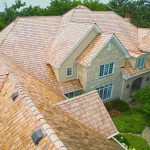
The foundation of any home lies in its structural integrity, which means addressing major components like the roof, foundation, and walls should be a top priority. Ignoring these areas can lead to costly damages and even compromise the safety of your home. For instance, a roof that has endured years of wear may no longer protect against leaks, leaving the interior vulnerable to water damage. Regular evaluations can help identify when repairs are sufficient or when a full replacement is necessary.
When dealing with deteriorating roofs, consulting roof replacement companies is a smart move. Professionals can assess the extent of the damage and recommend whether patching problem areas or opting for a full replacement is the better choice.
Prioritizing Safety Over Aesthetics
Homeowners often face a tough choice between tackling safety issues or enhancing the home’s appearance. While it’s tempting to focus on cosmetic improvements like repainting or redecorating, safety-related repairs should always come first. Tackling problems such as faulty wiring, plumbing leaks, or structural instability is essential to maintaining a secure living environment. Overlooking these issues can lead to more extensive damage and higher costs down the line.
For example, fixing a minor plumbing leak before it escalates into significant water damage can save time, money, and stress. Similarly, outdated electrical systems can pose fire hazards and should be addressed promptly. Once the home is structurally sound and safe, there’s plenty of room to consider aesthetic upgrades that complement the repairs. A balanced approach means both function and form are taken care of effectively.
Weighing Costs and Long-Term Value
Cost is a significant factor in deciding between home repairs and improvements. Repairs often require less upfront investment, making them a practical choice for tackling immediate issues. However, some improvements, such as upgrading windows to energy-efficient models, can provide long-term savings by reducing utility bills. Homeowners should weigh these potential benefits against the initial expense to determine the best path forward.
Apart from immediate savings, improvements can increase property value and attract potential buyers if you’re considering selling. Modernized kitchens, updated bathrooms, or enhanced curb appeal can make a home more appealing without completely overhauling its original charm. Assessing the cost-effectiveness of both repairs and improvements helps homeowners make decisions that align with their financial goals and the property’s future potential.
Evaluating Functional Needs
Older homes often require functional updates to align with modern standards. Addressing areas like energy efficiency, accessibility, and outdated layouts can significantly improve a property’s usability. Enhancing insulation, upgrading heating and cooling systems, or reworking inefficient spaces makes daily life more comfortable and practical. These updates can also lower utility costs and contribute to long-term savings.
Functional changes don’t have to compromise the character of the property. Simple updates like installing built-in storage or reconfiguring existing spaces can meet the needs of growing families or changing lifestyles.
When to Choose Repairs Over Full Renovations
Repairs can often be a more practical and cost-effective solution than full-scale renovations, especially when issues are localized or minimal. For example, repairing small cracks in walls, fixing squeaky floors, or patching a leaky pipe can resolve immediate concerns without the need for a large investment. Repairs allow homeowners to maintain the home’s original charm while addressing specific problems as they arise.
It’s also worth considering repairs when the underlying structure is still in good condition. For example, if a property’s exterior has minor damage, a fresh coat of paint or targeted patchwork might restore its appearance without requiring a complete overhaul. Choosing repairs over renovations helps preserve the property’s unique character while maintaining functionality and safety.
Enhancing Curb Appeal Without Overcomplicating Repairs
Curb appeal plays a key role in keeping an aging property visually attractive and market-ready. Updating the exterior paint, repairing siding, or sprucing up the landscaping can create an inviting appearance. Such straightforward improvements make a significant impact without requiring a major financial commitment.
Practical upgrades, such as resealing the driveway or fixing porch railings, combine function and aesthetics. Adding greenery or outdoor lighting also elevates the home’s overall appeal. Each of these efforts contributes to maintaining the home’s value while giving it a fresh and well-maintained look.
Planning for Future Maintenance
Maintaining an aging property becomes much easier with a proactive plan in place. Scheduling regular inspections for the roof, foundation, plumbing, and HVAC systems helps catch issues before they turn into expensive problems. Proactive maintenance is particularly beneficial for avoiding costly emergencies that could disrupt your living situation or financial plans.
Future-proofing your property involves budgeting for expected repairs and potential improvements. Creating a maintenance calendar with tasks like gutter cleaning, sealing cracks, or checking insulation can extend the lifespan of your home’s systems.
Balancing home repairs and improvements is key to preserving the value and functionality of aging properties. Catering to structural concerns, prioritizing safety, and planning upgrades with long-term goals in mind help homeowners make informed decisions. Thoughtful choices about when to repair, upgrade, or maintain a property ensure its character and usefulness are preserved for years to come.