You’ve seen open and enclosed car haulers up and down the highway. The typical open car hauler carries 8 to 9 midsize sedans at a time, while enclosed haulers are an excellent option for high-value vehicles such as luxury cars and classic cars.
However, what do you do when transporting heavy, large, or oddly shaped vehicles such as RVs, oversized vehicles, modulated homes, and construction equipment? The answer, usually, is construction trucks.
Over the years, advancements in construction vehicles have made them effective transport solutions when normal car haulers can’t meet a job’s demands. Construction trucks provide needed support for auto transport companies for orders outside the usual bounds of private car shipping.
This article explores how to choose the right construction trucks, safety procedures for hauling large equipment, the different types of construction vehicles, and practical tips to ensure your car shipping experience goes according to plan.
Key Considerations for Selecting Construction Trucks
Selecting the right construction trucks is crucial when setting up a complex auto transport job. Whether you’re using construction vehicles to move heavy materials, set up work zones, and/or load/unload vehicles, here’s a primer on making the right selections:
1. Project Needs
- Material Type and Volume: Assess whether you’ll be hauling dirt, gravel, concrete, vehicles, or multiple materials. Dump trucks excel at moving bulk materials, while flatbed trucks are perfect for hauling heavy machinery or larger vehicles.
- Worksite Terrain: Different vehicles work better on different terrains. You may select one type of flatbed truck for smoother roads and another type for more rugged terrain.
2. Truck Specifications
- Payload Capacity: Estimate the weight of the materials and vehicles you’ll transport. Choose trucks that can handle the weight of your job.
- Bed Size and Type: Depending on your needs, select trucks with dump beds, flatbeds, or other specialized configurations.
- Engine Power: Ensure the engine can handle your particular job without compromising efficiency.
3. Maneuverability
- Turning Radius: If you’re transporting cars or materials into urban areas, you’ll need equipment built to navigate tight spaces.
- Vehicle Dimensions: Ensure the dimensions of the vehicles you select fit the constraints of your route, pickup, and delivery sites.
4. Maintenance and Fuel Efficiency
- Opt for trucks with readily available parts in case of needed maintenance. This will minimize potential downtime.
- Choose vehicles with high fuel efficiency to reduce operational costs.
- Ensure you have an experienced staff of truckers, technicians, and construction workers who are capable of driving and maintaining your construction equipment.
Ensuring Safe Transport of Heavy Equipment
Hauling heavy equipment requires meticulous planning for safe transport. Whether you’re hauling RVs, construction equipment, mobile homes, oversized vehicles, or something else, be sure to consider the following steps for safe car delivery and heavy machinery shipping:
1. Proper Preparation
Use high-grade chains, straps, or locking mechanisms to secure heavy machinery. Improperly secured loads can shift during transit, leading to accidents or damage.
2. Route Planning
Consider bridge heights, weight restrictions, and road conditions. Certain vehicles, like cranes or graders, may require special permits for oversized loads.
3. Specialized Equipment
Equip your fleet with vehicles like flatbed trucks and trailers designed for transporting construction equipment.
For example, cranes or backhoes often need trailers with reinforced beds to handle their weight and dimensions.
4. Trained Operators
To minimize risks, employ trained professionals to load and unload heavy equipment. Operators should be well-versed in handling specific machinery, such as dump trucks or skid-steer loaders.
5. Inspection and Documentation
Conduct thorough inspections before and after transport to document any pre-existing damage. This is vital for securing accurate car shipping quotes and maintaining accountability. It’s also essential in the case of future insurance claims.
Types of Construction Vehicles and Their Uses
Construction vehicles play an essential role in the car transport services industry, enabling companies to handle complex transportation tasks that regular car haulers cannot. Here’s a breakdown of commonly used vehicles and their applications:
1. Dump Trucks
Dump trucks are perfect for hauling dirt, debris, and other loose materials that are impossible to ship in a regular truck. Dump trucks range in size, with the biggest capable of hauling up to 500 tons.
2. Bulldozers
Equipped with a powerful front blade, bulldozers help transporters reshape terrain and clear debris on routes. They are also great for towing heavy machinery.
3. Flatbed Trucks
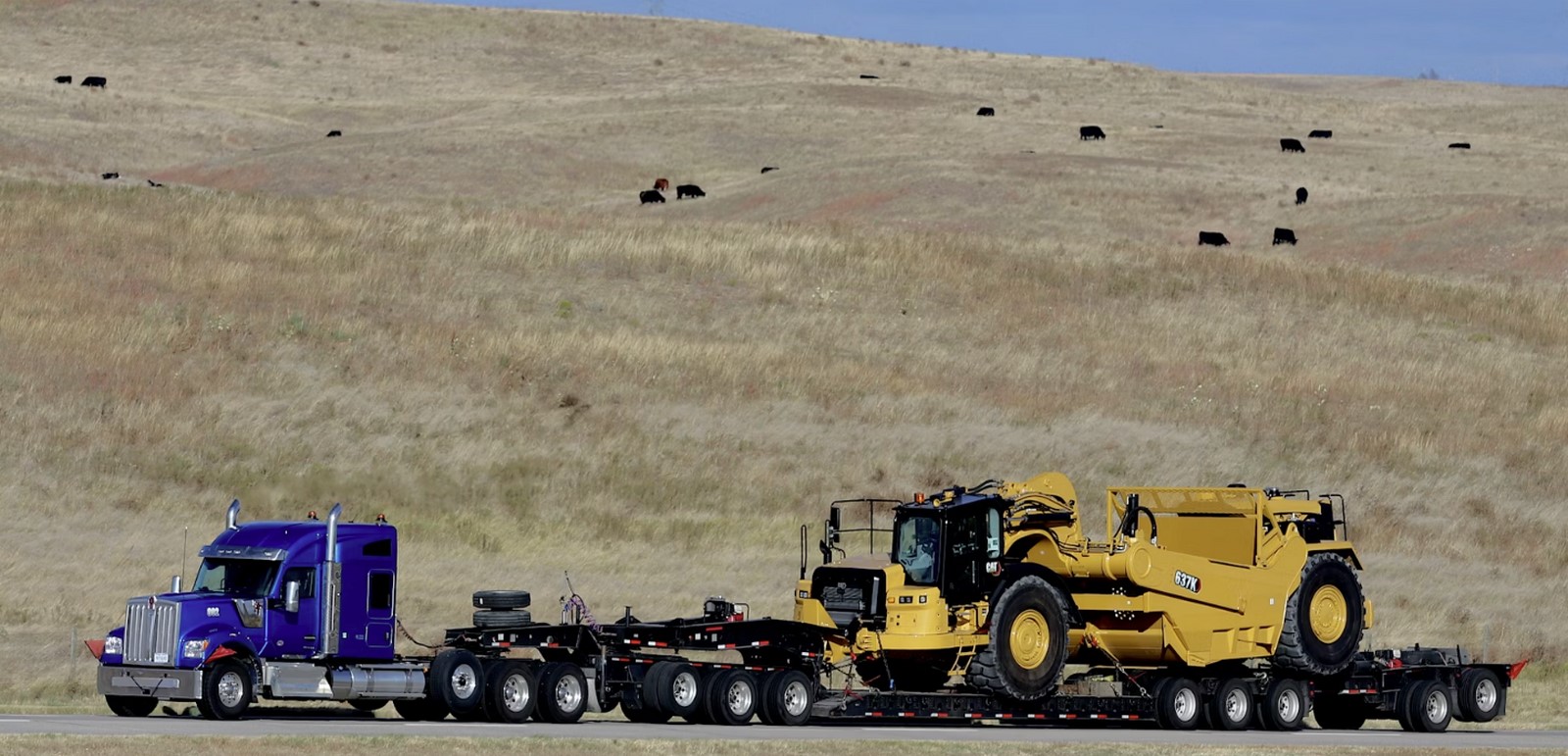
Flatbeds are an old standard of the car delivery industry. Their open design provides needed flexibility for hauling oversized machinery, vehicles, and other large cargo.
4. Cranes
When it’s impossible for workers to load heavy items onto a transport truck, cranes are usually the solution. Mobile cranes are particularly versatile, with some models capable of handling loads up to 3,000 tons.
5. Skid-Steer Loaders
Compact and versatile, skid-steer loaders are used for material handling, digging, and snow removal. They are perfect complements to bigger car transport trucks.
6. Concrete Mixer Trucks
These trucks simplify the process of transporting and pouring concrete, ensuring it remains in prime condition during the transport process.
7. Aerial Lifts and Bucket Trucks
If you need to transport items to elevated work areas, aerial lifts, and bucket trucks are the way to go. Both are also good bets for maintenance tasks in high places.
8. Trenchers and Excavators
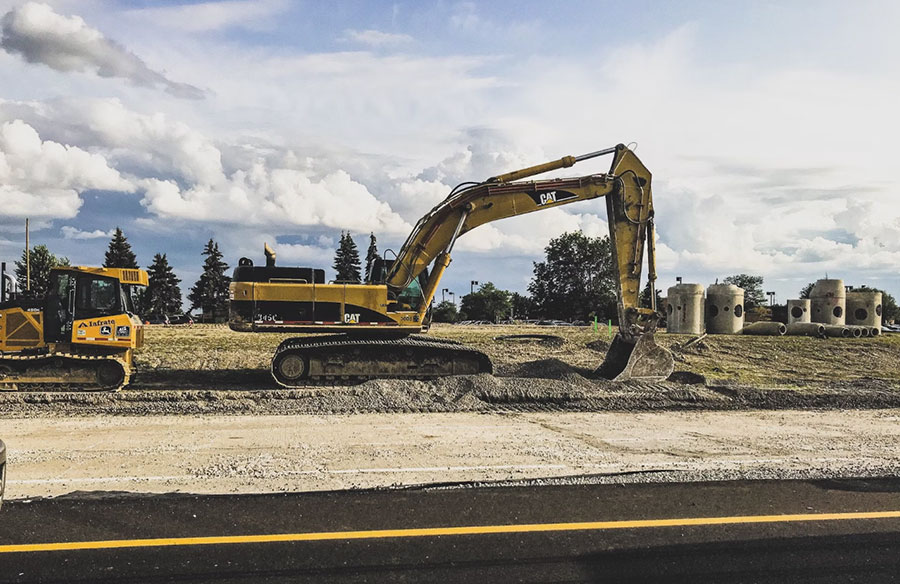
Perfect for digging tasks, trenchers are used to install drainage pipes. Excavators are a step-up and are used for more complex excavation projects.
These construction vehicles play a critical role in complex car transport operations.
Practical Tips for a Seamless Car Shipping Experience
Shipping heavy machinery is a tricky proposition that is best left to professionals. Whether you’re shipping equipment locally or shipping multiple vehicles cross-country, you need to strategize for an effective, worry-free car shipping experience.
If you cannot purchase and organize a fleet of construction vehicles for your next project, working with a professional car ship coordinator may be for you.
Follow these tips to ship a car to another state (or multiple pieces of equipment) effortlessly:
 1. Choose a Trusted Shipping Provider
Work with a reputable auto transport company that specializes in finding solutions to atypical transport tasks. Grab multiple car shipping quotes and speak with company representatives to better understand your total costs.
2. Plan Out Your Logistics
How many pieces of equipment are you shipping? What special considerations do you need for your payload? Are there special concerns with your pickup and delivery sites that must be addressed? The more you know about the logistics of your heavy machinery move, the fewer surprises you’ll have to deal with.
3. Choose the Right Transport Methods
Work with your professional car transport services provider to find the right transport methods for your particular load. It may be a combination of construction vehicles, open car haulers, and enclosed transport vehicles.
4. Conduct Pre-Shipping Inspections
Before shipping, thoroughly inspect your payload or pre-existing damage and take photos as evidence. This ensures transparency in case of disputes.
5. Prepare Your Payload
Ensure all items within your payload are ready for shipment. Remove personal items from vehicles and secure loose parts. Also, make sure the gas tank is only 1/4 full to reduce overall weight.
6. Book Ahead
If you are hauling heavy machinery, it pays to book services in advance. The more time you give yourself before car transport, the easier it’s likely to be on your wallet.
7. Communicate and Coordinate
Communicate any issues or questions to your transport services provider. Keep your files organized and coordinate worksite efforts to prepare for delivery.
Simple Car Shipping Solutions to Complex Problems
Auto transport isn’t all about shipping family cars and SUVs. The vehicle transportation industry is complex and services everything from midsize sedans to giant industrial equipment. Typical car haulers cannot service all car transport tasks. Specialized construction equipment such as flatbeds, cranes, and skid-steer loaders are often used for unwieldy and large equipment.