

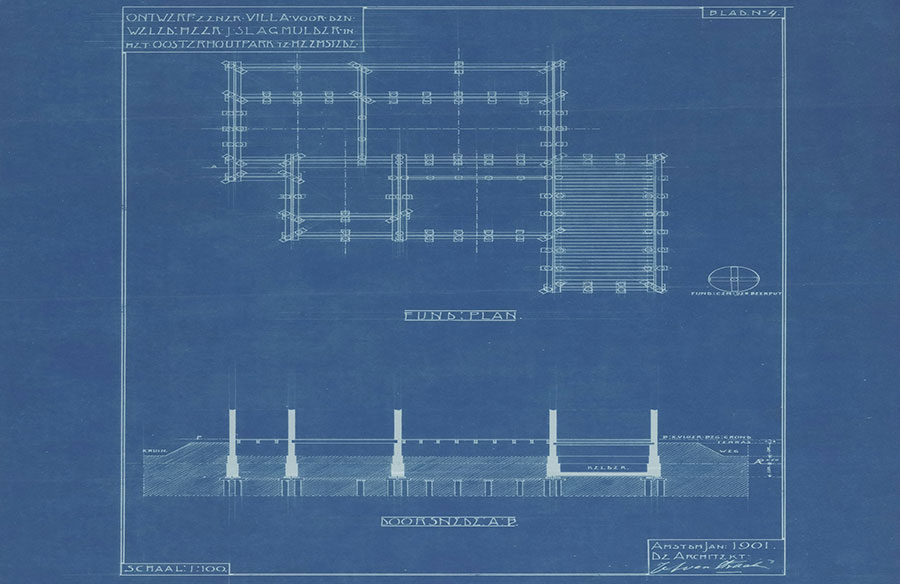
As an architect or designer, your job isn’t just about creating stunning spaces, it’s about managing a mountain of paperwork too. Contracts, blueprints, client emails, and project documents quickly pile up. But here’s the good news: with the right records management system, you can simplify everything, save time, and focus on what really matters, your designs and your clients.
So, how do you stay organized without losing your mind? The answer is simple: invest in a solid records management system. We’re talking about smart, organized solutions that help you stay efficient and boost your career, not endless filing cabinets or stacks of papers.
The Key to Success? Organization
As an architect, you’re juggling multiple projects, tight deadlines, and tons of paperwork. But how much of that paperwork is disorganized? A misplaced blueprint, a forgotten contract, or a lost email thread can damage more than just your project timeline, it can hurt your reputation.
Picture this: you’re in a meeting with a client who asks for a revision to a plan you made weeks ago. They want to see the original, but you’re scrambling through piles of paper to find it. Time ticks away, and you’re left explaining why it’s taking so long. Not exactly the impression you want to give, right?
That’s where organization comes in. Having your files in order makes everything faster, smoother, and more professional. Clients and colleagues will notice, and it will directly impact your career growth. So, how can you stay organized without drowning in paper?
Why Efficient Records Management Matters
Good records management is about more than just putting things in the right folder. It’s about creating a system that works for you, one that allows you to quickly find what you need. Think about how many times you’ve wasted precious minutes searching for a document that should’ve been easy to locate. Frustrating, right?
Now, imagine all your files in one secure, easy-to-search place. With the right system, that’s not just a dream, it’s a reality. Contracts, project plans, and emails can all be accessed in a couple of clicks.
But it’s not just about making your life easier. It’s also about protecting your career. Misplaced documents can lead to legal headaches or costly mistakes. A strong records management system ensures that you stay in control, keeping everything on track and minimizing risks.
Physical vs. Digital: The Case for Both
“Go digital!” You’ve probably heard that a lot. Digital records are convenient, easy to search, share, and back up. But let’s not forget that physical documents still have a role in architecture and design.
Some things just need to be printed out. Client signatures, legal contracts, and official documents are often better kept in physical form. Sometimes, the tactile nature of paper feels more secure or official. Plus, when working on blueprints or architectural plans, a physical copy can be easier to handle than a digital version.
However, paper documents take up space and can get damaged. So, what’s the solution? A mix of both. Keep critical documents in physical form, and use a records storage facility when needed for extra space. Meanwhile, keep your active files digitally. Balancing physical and digital storage is key to staying organized and efficient.
How Good Records Management Boosts Your Efficiency (And Your Career)
Here’s the exciting part: effective records management doesn’t just make your daily work easier; it can supercharge your career. Sounds too good to be true? Stick with me.
When you have a reliable system, you’re not just avoiding headaches, you’re freeing up time to focus on what matters: design and client relationships. Fewer hours spent searching for documents means you can take on more projects, impress clients with quick responses, and build a reputation as someone who’s organized and dependable.
Clients notice when you’re efficient. They’re more likely to recommend you, and colleagues will trust you with bigger, high-profile projects. As you grow in your career, having an organized system makes everything smoother and less stressful.
Choosing the Right Records Management System
Now that you’re sold on the idea of getting organized, how do you choose the right system?
First, it needs to be simple. You don’t want something complicated or time-consuming to set up. Look for a system that’s easy to use, with features that let you upload, organize, and quickly search for documents.
Security is also a must. Your documents, especially contracts and design plans, are sensitive. Make sure your system keeps everything safe from unauthorized access. Backup options are crucial too, in case something goes wrong.
Finally, consider how well the system integrates with your existing tools. If you’re already using design software or project management tools, make sure your records system works well with them. The more streamlined your workflow, the more efficient you’ll be.
Getting Started: Small Steps, Big Results
Ready to get organized? Start small. Begin by digitizing key projects or files, and gradually transition more of your workflow as you get comfortable with the system. Don’t try to do everything at once, take it step by step.
And remember: the more organized your records are, the more professional you’ll appear to clients and colleagues. The faster you can respond to requests, find documents, and keep projects on track, the more they’ll trust your expertise and reliability.
Conclusion: Efficiency Is Key to Career Success
Being a successful architect isn’t just about designing great spaces, it’s about managing the details that keep everything running smoothly. Good records management isn’t just a tool; it’s a career investment. When your documents are organized and properly stored, you save time, reduce stress, and enhance your reputation.







