

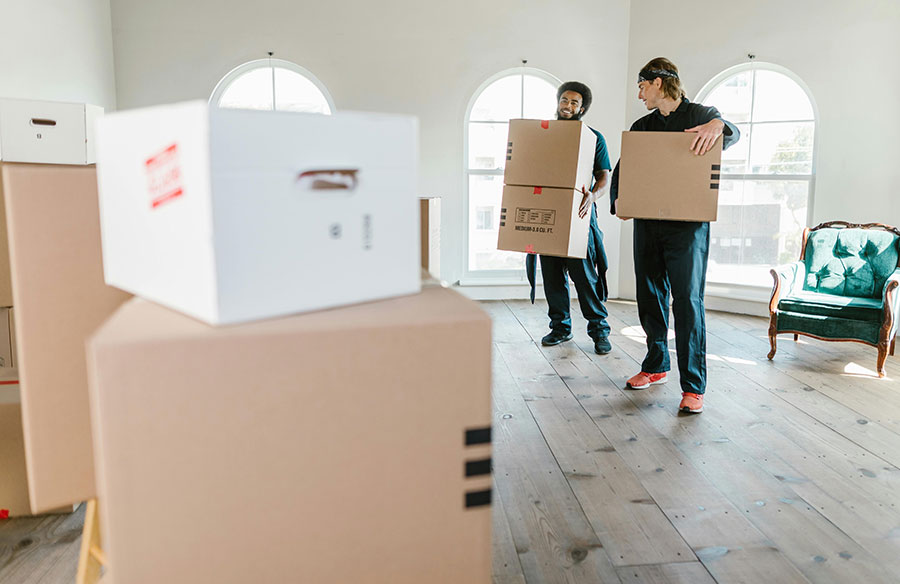
Moving houses is one of the most taxing parts of adulthood. There’s so much that needs doing, and everything incurs considerable expense. The National Bureau of Economic Research finds an overall decline in mobility in America. Not many people are willing to move for various reasons (led by high housing prices.)
Besides adults, even children can find moving tiresome. BBC recently reported findings from a study conducted by the University of Plymouth. It seems that moving houses many times before a child is 15 can increase the likelihood of a depression diagnosis.
However, moving may be unavoidable if you have taken on a new job or business in another state. Perhaps you are moving into a bigger house to accommodate your growing family.
Fortunately, technological innovations are making things more manageable. They also contribute to the overall sustainability of the movers and packers industry, a core component of a small world.
1. Improving Access to Better Packaging Materials
The anxiety we feel while moving houses often stems from the thought of precious belongings getting damaged. The costs of repairs multiply fast, elevating the total of your house-moving expenses.
Modern packaging materials have lowered this risk substantially. Instead of traditional cardboard boxes, you can opt for sturdy crates that protect from water damage. These are available for rent in some cities to make moving easier.
Bubble wrap has been a staple for damage protection for years. However, its poor biodegradability has raised concerns. Bubble wrap is affordable, so picking it won’t inflate your bills immediately. But it can take a toll on your carbon footprint over time, burdening a natural world already under duress.
Biodegradable bubble wrap is a worthwhile option. Some professionals use stretch wrap to bundle items together quickly. It can be convenient to transfer items like furniture, keeping them from opening during transit.
Packing peanuts is also a sensible choice for awkward items like your son’s alien lampshade. They are biodegradable if you use ones made from plant-based materials.
On that note, recycling what you can is a solid way to manage your carbon footprint. Small activities like these build value and reduce energy bills over time. The New York Times Wirecutter notes how you can deposit packaging paper and cardboard at your curbside recycling pickup. However, remove as much plastic tape as possible before dropping these items off.
2. Empowering Local Movers
The rise of logistics technology has made local movers and shifters more capable of handling the job efficiently. They can access high-quality packaging material to minimize damage to sensitive household goods like silverware. But this packaging doesn’t entail additional costs because its accessibility is vastly more than a decade ago.
Movers with local expertise also do a better job of cost-effectiveness that ties with client needs. For example, if you are moving to Silver Spring in Maryland, you are in for a higher cost of living. Payscale notes that this neighborhood can involve up to 35% more expenses than the national average. You want movers in Silver Spring to prioritize cost savings so you can stick to your budget.
More house-movers in the US can now benefit from this increased local access to packaging technologies. Choose experienced movers who understand the best roads to take and possible challenges during transit.
If cost-effectiveness is a priority for you – as it rightly should in a volatile world – you should prefer all-inclusive rates for moving. 495 Movers notes that clients can find reassurance by asking for a quote covering packing, labor, and delivery. That way, they won’t be stunned by hidden charges popping up midway.
3. Effective Planning With AI-Driven Logistics
The logistics industry can expect significant changes due to the AI revolution. Artificial intelligence has made predictive analytics more powerful and data-backed. It allows companies to track risks and recommend optimal solutions to their clients.
For example, Forbes observes that real-time route optimization lets companies find the most efficient routes. It lowers travel time and fuel consumption. Similarly, not scheduling a moving day when traffic is likely bad can save precious time and money.
AI also proves helpful for moving temperature-sensitive items like pharmaceuticals and food. At present, the benefits are more palpable at a broader industrial level. Supply chain optimization can flourish like never before. It is not unreasonable to expect the changes to impact the individual level soon. It can make the pain of moving houses less acute.
4. Competition Based on Technology and Human Resources
More movers are persevering toward superior technology for packaging and transportation. Human resource training is also an aspect of this competition. Skilled professionals make a huge difference in attracting clients.
For example, a company with a dedicated relocation coordinator will make customers feel more confident. These professionals receive training in project management, communication, and logistics. They stay attuned to market trends, from live tracking to sustainable moving solutions.
Movers wishing to stay ahead of the curve must invest in upskilling their employee base. An exhaustive Frontiers study advises that professionals must build competencies to remain relevant. These areas include business, logistics, digital, and personal capacities with further drilling down.
For example, personal skills can include leadership, adaptability, and virtual communication. As more companies compete on these grounds, higher efficiencies will bring cost savings for customers.
Although moving houses is stressful, partnering with technology eases the burden. Technological innovations in materials, logistics, and predictive technologies provide more control. It can prove invaluable while moving base to a new location.
Customers should seek innovative providers in step with the times. Allowing technology to lead the way reduces costs across the board. The benefits should be visible to all the parties involved.







