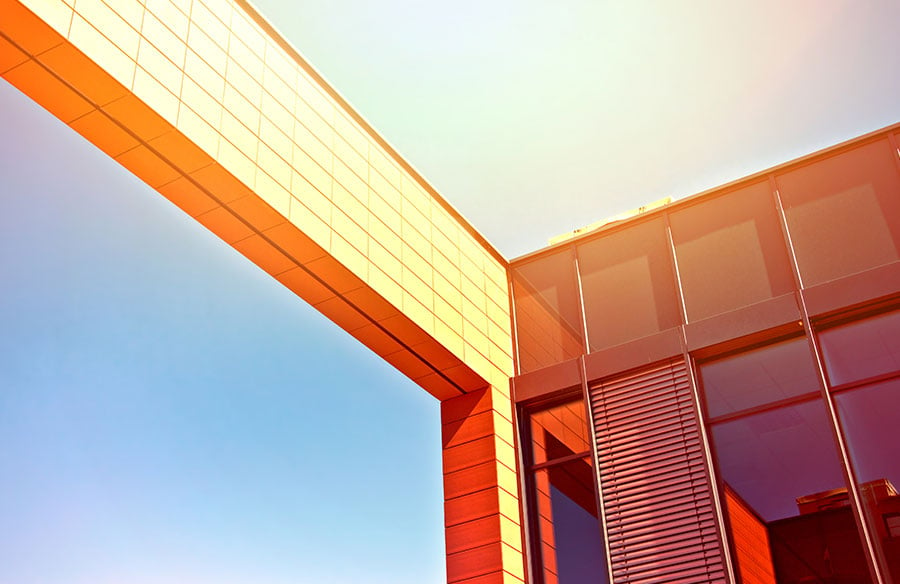
Have you ever wondered what keeps a building looking sleek and standing strong against nature’s challenges? While architects and engineers often steal the limelight, cladding quietly plays a pivotal role in shaping modern construction.
From boosting aesthetics to improving functionality, cladding is much more than a decorative shell—it’s an essential protector working behind the scenes to make structures durable and efficient.
What Is Cladding?
Cladding is the external layer of a building, designed to shield it from external forces while enhancing its visual appeal.
Whether it’s metal, wood, stone, or a composite material, cladding acts as a barrier against weather conditions, temperature fluctuations, and environmental wear.
Importantly, cladding isn’t just about appearances—it’s a workhorse that combines beauty with resilience, making it an indispensable component of contemporary architecture.
Protection Beyond the Surface
You might think cladding is just about appearances, but its real strength lies in protection. It’s your building’s first line of defence against harsh weather, be it torrential rain, blistering heat, or biting frost.
This layer minimises damage to the structural framework, reducing maintenance costs over time. Cladding materials, like aluminium or fibre cement, are engineered to resist corrosion and deterioration, which helps buildings stand the test of time.
Enhancing Energy Efficiency
Cladding doesn’t just protect—it also plays a key role in energy conservation. With the right materials and installation, cladding reduces heat transfer, keeping interiors cool in summer and warm in winter.
This insulation reduces energy consumption, contributing to lower utility bills and a smaller carbon footprint. For both commercial and residential projects, cladding is the silent contributor to sustainable construction practices.
Versatility in Design
One of the most striking features of cladding is its versatility. It offers endless design possibilities, enabling architects to experiment with textures, colours, and patterns. Whether you’re after a minimalist, industrial look or something more traditional, cladding adapts to bring your vision to life.
Fire Resistance and Safety
Modern cladding systems are designed with safety in mind. Fire-resistant cladding materials reduce the spread of flames and offer critical time for evacuation in emergencies.
These advancements make cladding a vital element of building safety regulations. When properly installed and maintained, it adds an extra layer of assurance for building occupants.
Reducing Noise Pollution
Living or working in a bustling city can be noisy, but cladding helps maintain tranquillity. Acoustic cladding panels are specifically designed to absorb sound and minimise noise levels.
Whether it’s the hum of traffic or industrial machinery, cladding creates quieter, more comfortable indoor spaces, improving quality of life and productivity.
Low Maintenance and Long Lifespan
Another reason cladding is a construction superstar is its low maintenance requirements. Once installed by professionals like Simply Cladding, high-quality cladding materials need minimal upkeep, retaining their appearance and functionality for decades.
This longevity makes cladding a cost-effective investment for property owners, particularly in environments with harsh weather conditions.
Final Word
Cladding might not be the first thing you notice on a building, but its impact is undeniable. Whether it’s protecting against the elements, cutting energy costs, or enhancing safety, cladding works tirelessly in the background.
Next time you admire a striking façade or enjoy a quiet, energy-efficient interior, you’ll know who to thank.