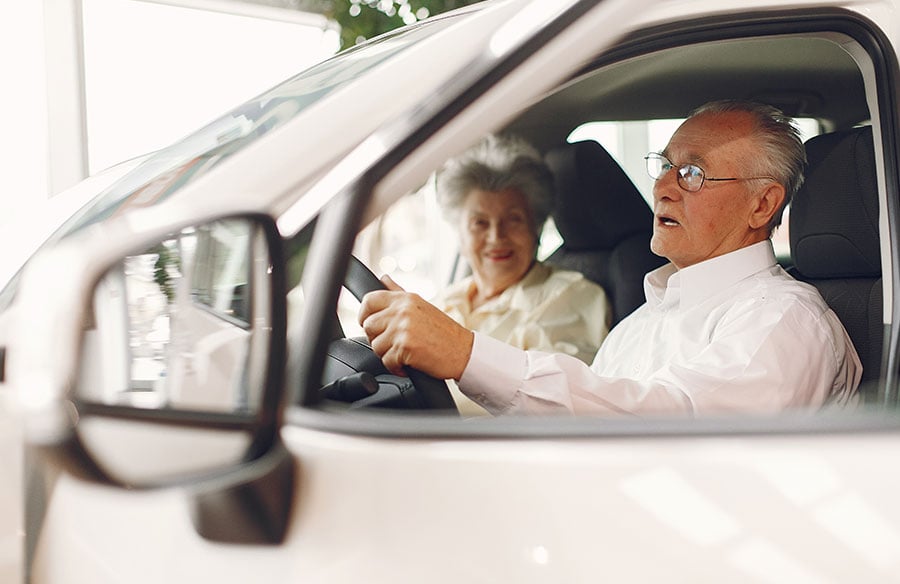
Navigating the conversation around an elderly loved one giving up driving can be incredibly challenging. For many, driving symbolises independence, freedom, and control, so the thought of giving it up is often met with resistance. However, as winter rolls in with its unpredictable weather and hazardous driving conditions, it’s important to weigh the risks and explore safer alternatives.
This blog seeks to provide guidance for caregivers and families as they help elderly loved ones transition away from driving. It also highlights practical solutions to support their mobility and maintain their independence.
Understanding Why Driving Can Become Risky
Ageing often brings changes that can impact a person’s ability to drive safely, including slower reaction times, impaired vision, decreased mobility, and medications that affect focus or coordination. According to statistics, drivers aged 70 and over face much higher rates of crash involvement per mile driven than middle-aged drivers. Add icy roads, low visibility, and winter storms into the equation, and the risk multiplies.
Still, while the statistics are concerning, the conversation is deeply personal. For the elderly, the idea of giving up driving is often tied to a fear of losing independence. Caregivers need to approach the topic with empathy and a plan that offers alternative solutions.
Solutions to Help Transition Away from Driving
The goal isn’t just to eliminate driving but to provide practical alternatives that ensure the elderly maintain mobility, social connections, and confidence. Below are some practical strategies to achieve this:
1. Explore Mobility Aids
Investing in mobility aids like a mobility scooter or rollator walker can bridge the gap between independence and safety.
- Mobility Scooters are excellent for running errands, visiting local cafes, or zipping around community spaces without needing a car. With features like multiple speed settings and storage options, these scooters offer both convenience and practicality.
- A Rollator Walker is perfect for shorter distances and environments that require more walking, such as parks or local markets. Their lightweight build ensures they’re easy to handle, even for seniors with limited strength.
Both tools can help elderly individuals regain the confidence to move around without relying on a car.
2. Leverage Public Transport
Public transport is a life-saving alternative in many cities and towns. Many public transport systems cater to seniors, offering features like priority seating, wheelchair-accessible vehicles, and discounted fares.
Help your loved one become familiar with local transport routes by:
- Taking test trips together until they feel confident using them independently.
- Explaining how timing apps work to reduce wait times in the cold.
- Showing them how to plan routes and purchase tickets digitally.
If public transport isn’t viable, help them explore ridesharing services like Uber or Lyft, which offer convenience and door-to-door transport.
3. Enlist the Help of Community Support Services
Many community organisations offer services catered to older populations, including group transportation or volunteer drivers. Your local council or community centre often has resources to connect you with these services.
These programs not only provide transportation but also build social opportunities. Engaging with others in similar situations can help seniors feel less isolated and more connected to their community.
4. Utilise Home Delivery for Essentials
Technology can effectively replace the need for frequent travel. Grocery delivery apps and online shopping services make it possible for seniors to receive essential goods without leaving home.
Set up user-friendly platforms so they can order what they need quickly and independently. These systems are lifesavers, especially during poor weather conditions.
5. Arrange Regular Family Support
Family involvement is vital. Many elderly individuals worry about being a burden, so creating a reliable plan with family members can ease anxiety.
For instance, set up a rotating schedule where family members help with errands, medical appointments, or social outings. Even offering to drive them to church or social gatherings once a week can bring structure and fulfilment.
6. Host Enjoyable “At-Home” Gatherings
Loneliness is a common concern when mobility becomes restricted, so encourage friends or family to visit regularly. You can host simple coffee mornings, film nights, or book clubs to maintain their social calendar. These create reassurance that cutting back on driving doesn’t mean isolation.
Keeping the Conversation Productive and Positive
When discussing driving limitations with elderly loved ones, the approach is critical. Use these tips to handle the conversation delicately:
- Be Empathetic: Recognise the emotional weight of the change. Use phrases like, “I can see how much driving means to you,” to validate their feelings.
- Speak in Terms of Safety: Frame the conversation around prioritising their safety and that of others. Avoid making it about their age or ability.
- Present Options: Show that you’re not asking them to give something up without alternatives. Highlight the solutions that offer comfort and independence.
- Give Them Control: Whenever possible, involve them in the decision-making process. Ask how they feel about the suggested alternatives and adapt the plan if necessary.
Retaining Independence, Safety, and Peace of Mind
Helping elderly loved ones transition away from driving doesn’t have to mean giving up their independence. By combining empathy with well-thought-out strategies, you can ensure they feel supported and empowered throughout the process.
From mobility aids to public transportation and community support groups, there is a growing array of resources to make the shift seamless. Plus, with open lines of communication, you can ensure they understand that keeping them safe and active is the ultimate goal.
Act Now to Ensure Safety This Winter
If you’re beginning this conversation in the lead-up to winter, now is the time to start making changes. Explore the mobility aids and community transport options available in your area and set up test programs with your loved ones. Together, you can create a plan that prioritises both safety and well-being.