

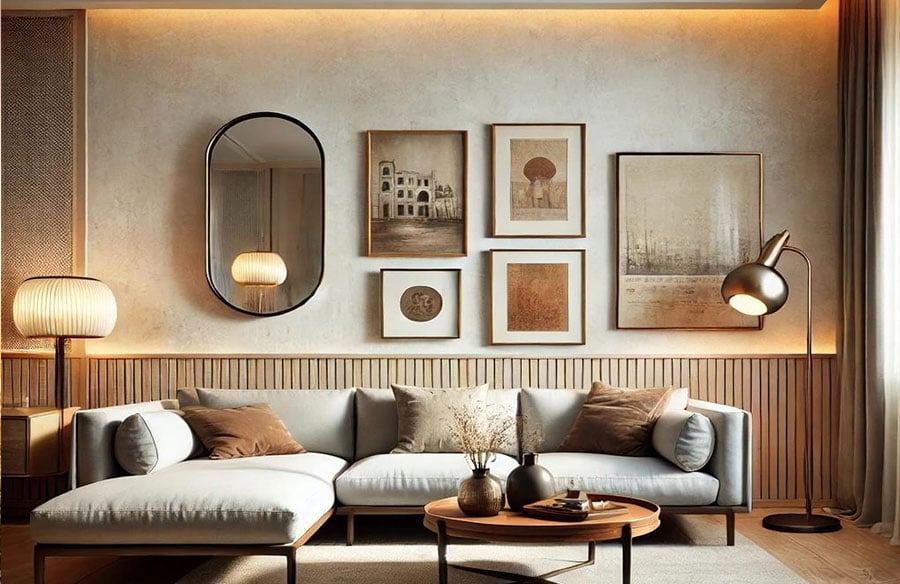
Designing a timeless home that balances character and functionality can be challenging, but blending vintage and modern styles offers the perfect solution. This approach combines the nostalgia and charm of antique pieces with the clean lines and sophistication of contemporary design. Whether you’re refreshing your home or just experimenting with style, this guide will help you create a space that feels cohesive and timeless.
Why Mix Vintage and Modern?
Adds Depth and Character
Vintage elements bring history, personality, and warmth to a room, while modern pieces ensure functionality and elegance. The interplay between the two styles creates a space that feels curated and unique.
Versatile and Timeless
This design approach transcends trends. By mixing classic and contemporary elements, you can build a home that evolves gracefully over time, staying fresh and relevant.
Promotes Sustainability
Repurposing vintage furniture and decor reduces waste, while modern pieces often come with innovative, eco-friendly designs. Together, they offer a responsible and stylish way to decorate.
How to Blend Vintage and Modern Styles
Start with a Neutral Foundation
Neutral tones such as white, gray, and beige create a versatile backdrop for vintage and modern pieces. A neutral palette ensures both styles can coexist harmoniously without clashing. For example, in a living room background, neutral-colored walls allow vintage artwork and contemporary furniture to shine equally.
Layer Furniture Strategically
To avoid overwhelming your space, balance the proportion of vintage and modern furniture:
- Modern Foundation: Begin with essential modern furniture like a sleek sectional or dining table to provide structure.
- Vintage Highlights: Add antique or retro elements, such as a mid-century sideboard or a classic wingback chair, for personality.
Mix Textures and Materials
Blending materials like distressed wood, polished metal, velvet, and glass adds depth and interest. For example, pair a vintage wooden coffee table with a modern leather sofa to contrast textures and eras.
Incorporate Statement Pieces
Make one or two items the focal point of the room. A vintage chandelier can command attention in a contemporary dining room, while a bold modern art piece pairs beautifully with an antique console.
Design Ideas by Room
Living Room
The living room is the perfect space to experiment with this mixed-style approach:
- Start with a modern sofa in neutral tones for versatility.
- Add a vintage coffee table or an antique armchair to provide contrast.
- Use a living room background with neutral tones or subtle patterns to frame the room and highlight both vintage and modern elements.
Bedroom
Create a bedroom that feels both inviting and stylish:
- Pair a contemporary upholstered bed with vintage wooden nightstands.
- Use soft, modern bedding and layer it with a colorful vintage quilt or throw.
- Add a vintage-inspired rug to ground the room and connect the elements.
Dining Room
In the dining room, bold combinations work beautifully:
- Combine a modern dining table with vintage chairs, or vice versa.
- Opt for a traditional rug beneath contemporary furniture to add warmth.
- Highlight the space with a vintage chandelier or pendant lights.
Mistakes to Avoid
When mixing vintage and modern styles, keep the following in mind:
- Overcrowding the Space
Too many elements can make a room feel cluttered. Be selective and intentional. - Ignoring Proportions
Ensure that furniture sizes and shapes complement each other for visual balance. - Clashing Colors
Stick to a cohesive color palette to tie the room together seamlessly.
Conclusion
Combining vintage and modern styles is a creative way to design a home that reflects your personality while standing the test of time. By layering furniture, blending textures, and focusing on statement pieces, you can create a space that feels harmonious and curated.
For anyone looking to redesign their home—whether it’s updating a living room background or reimagining a bedroom—this design approach offers endless opportunities to experiment and personalize your space. The result is a home that tells a story, celebrates the beauty of different eras, and remains timeless for years to come.







