

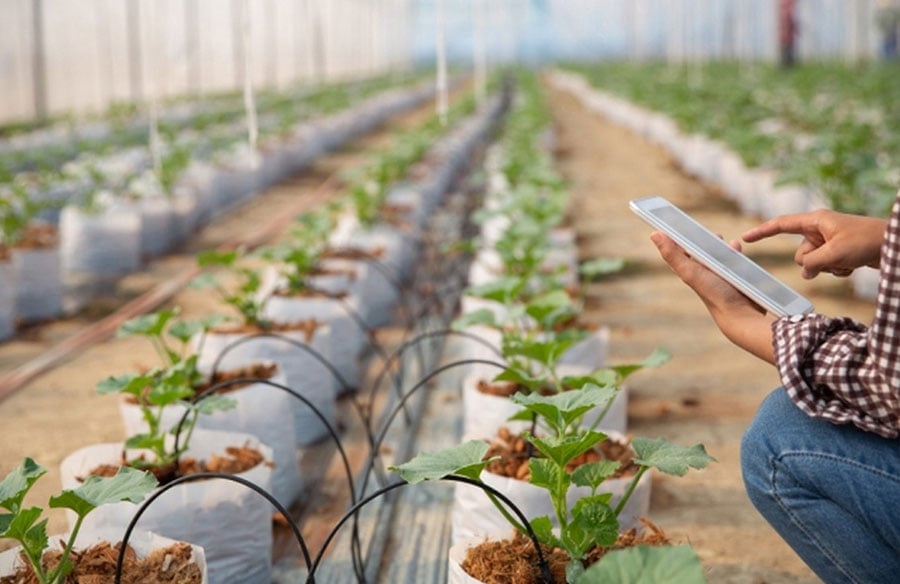
In recent years, Thailand has emerged as a beacon of agricultural innovation, leveraging technology to transform its farming practices and ensure food security for its growing population. As the country grapples with the challenges posed by climate change, fluctuating markets, and sustainability concerns, the commitment to innovation has never been more critical. The platform innovationthailand.org serves as a vital resource, showcasing the myriad ways Thailand is cultivating advancements in agriculture that not only enhance productivity but also promote environmental stewardship.
With a rich history rooted in agriculture, Thailand is now at the forefront of technology innovation, integrating cutting-edge solutions into traditional farming methods. From precision farming techniques to the use of drones for crop monitoring, the landscape of agriculture in Thailand is rapidly evolving. This journey towards a smarter agricultural future not only aims to boost efficiency and yield but also seeks to support farmers in making informed decisions through data-driven insights. As Thailand continues to harness the power of innovation, the world watches closely, eager to learn from this dynamic approach to modern farming.
Driving Forces Behind Agricultural Innovation in Thailand
Thailand’s agricultural sector has been experiencing a significant transformation, driven by the increasing need for efficiency and sustainability. As a hub for agricultural production in Southeast Asia, the country faces challenges such as climate change, population growth, and fluctuating market demands. These factors compel farmers and businesses to explore innovative practices that enhance productivity while minimizing environmental impact. Government initiatives and partnerships with private sectors have played a crucial role in fostering an ecosystem where innovative solutions can thrive.
The integration of technology in agriculture is another prominent force propelling innovation in Thailand. Farmers are increasingly adopting digital platforms and precision farming techniques to optimize resource use and improve crop yields. Innovations such as drones, IoT devices, and big data analytics are revolutionizing traditional farming methods. These technologies enable real-time monitoring of agricultural parameters, thus allowing for timely interventions and informed decision-making. As a result, farmers can achieve greater efficiency and resilience against market uncertainties.
Moreover, Thailand’s commitment to research and development in agriculture fuels ongoing innovation. Institutions and organizations such as innovationthailand.org are spearheading efforts to promote agricultural research and collaboration among stakeholders. This focus on R&D fosters a culture of continuous improvement and knowledge sharing, vital for addressing emerging challenges. By leveraging local expertise and global best practices, Thailand is well-positioned to harness agricultural innovation, ensuring food security and enhancing the livelihoods of its farming communities.
Technological Advancements Shaping the Future of Farming
Thailand is witnessing a remarkable transformation in agriculture driven by innovative technologies that are redefining how farming is conducted. The integration of precision agriculture tools, such as sensors and drones, allows farmers to monitor crop health and soil conditions in real-time. This data-driven approach enables them to optimize resource usage, reduce waste, and enhance productivity, significantly impacting overall yield and profitability. With platforms like innovationthailand.org showcasing these advancements, the agricultural sector is being empowered to adopt practices that are both sustainable and efficient.
Moreover, the rise of automated farming equipment is revolutionizing labor-intensive tasks. Robotics and automation technologies are increasingly used for planting, harvesting, and even managing irrigation systems. These innovations not only alleviate the labor shortage prevalent in the industry but also improve consistency and efficiency. Farmers can now focus on high-level decision-making, as routine tasks become automated, paving the way for smarter farming practices that align with Thailand’s agricultural goals.
The potential of biotechnology in enhancing crop resilience and productivity is another area where Thailand is making significant strides. Researchers are developing genetically modified organisms (GMOs) and bioengineering techniques to create crops that can withstand harsh climates, pests, and diseases. These advancements not only promise to secure food supplies but also enable farmers to adapt to changing environmental conditions. As Thailand continues to embrace these technological innovations, the future of its agriculture looks brighter and more sustainable.
Case Studies: Successful Innovations in Thai Agriculture
Thailand has emerged as a leader in agricultural innovation, showcasing several successful projects that highlight the integration of technology in farming practices. One notable case is the use of drone technology for crop monitoring. Thai farmers have adopted drones equipped with advanced imaging systems to assess crop health, identify pests, and optimize irrigation. This innovation significantly increases efficiency, allowing for tailored interventions that boost yield while reducing water and pesticide usage.
Another impressive example can be found in the realm of aquaponics systems. Innovators in Thailand have developed compact, sustainable fish and vegetable farming setups that use recirculating water to support two interconnected ecosystems. This method not only maximizes space but also minimizes environmental impact. By combining fish farming with vegetable cultivation, farmers can produce high-quality food while conserving resources, showcasing a powerful model for sustainable agriculture.
Moreover, mobile applications have transformed the way Thai farmers access information and markets. These apps provide real-time data on weather conditions, pest outbreaks, and market prices, enabling farmers to make informed decisions. As a result, farmers can improve their productivity and profitability, bridging the gap between traditional practices and modern agricultural techniques. The ongoing commitment to innovation in Thai agriculture exemplifies the nation’s potential to adapt and thrive in a rapidly changing environment.







