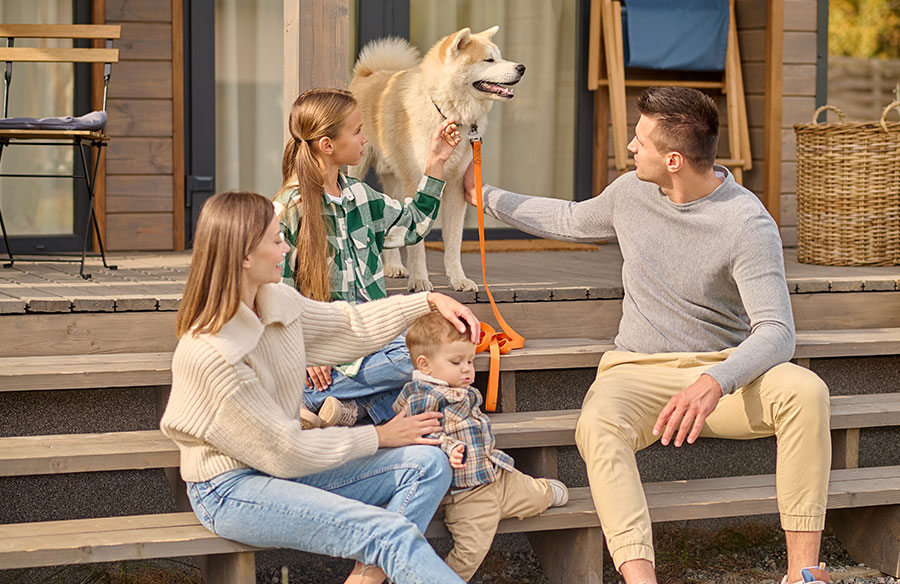
Many people welcome pets into their families, and these furry friends have their unique space in the home. Houses now include architectural features designed for pets as animal-friendly architecture gains popularity with homeowners and designers.
From designer catteries and elevated spaces for feline friends to waterways for pet turtles, homes are evolving to adapt to the new concept of family. What pet-friendly architectural innovation is next?
Why Are Indoor Pets Fueling Inclusive Architecture?
Most homeowners want pet-friendly homes, as 82 million U.S. households own a pet, and naturally, they bring them indoors. A significant consideration for property buyers is how animal-friendly a house is. If it’s not, many people will add renovations to the top of their lists.
The range of animal-friendly architectural features goes beyond a basic doggy door. Architectural innovations now include furniture design and an even more comprehensive range of materials.
Considerations for Pet-Friendly Architecture
There are a few considerations to plan for and include when designing an animal-friendly home. It’s best to work with an architect who is also a pet owner when redesigning to ensure compatibility. Here’s what to keep in mind:
- The type of pet
- The animal’s size
- The pet’s natural environment
- The available space and functions of each space
- The budget for animal-friendly materials
Examples of Pet-Friendly Architecture
Animal-friendly architecture is as diverse as pet choices. Social media abounds with striking examples. Here are some ideas that will make any pet lover’s heart beat a little faster.
Pet Doors
Aside from the usual doggy door, animal-friendly architecture includes access cut into all internal doors, allowing pets free rein in the home. For innovation and design, consider different styles of cut-out options to include in the house.
For those in the country, automating barn doors to welcome cows home adds some luxury to the bovine life. Consider adding a loft lounge area that floats above the barn floor, bringing cows and coffee together.
Pet-Functional Furniture
Furniture items like side tables, ottomans, coffee tables and beds feature animal-friendly designs. These allow functional pieces to house pets and provide hidden play areas. Let cats chase toys under the bed in a constructed maze. Dogs lounge “in” the ottoman, eavesdropping on human conversations — pet bliss.
Cat Ledges
Cats love being elevated. Architects aren’t disappointing clients with breathtaking ledges and wall steps to facilitate climbing adventures, while cat towers become part of the home’s design. Unique materials include natural wood, stone and sisal carpeting to ensure kitty comfort.
Cat stations and catteries mounted outside of homes allow felines to roam while keeping them — and birds — safe.
Indoor Feeding Stations
Feeding time is part of home life. Many designers provide feeding stations built into the laundry area, with quick access for pets and neat fold-away shelving to elevate mealtimes.
Indoor Stables
Cats and dogs aren’t the only pets. Horse owners also demand features to accommodate their equine friends. Homes with stables connected via double doors allow ponies to sneak in for a visit. Wise flooring enables quick cleanups and nonslip surfaces to keep hooved friends upright.
Pet-Friendly Fencing
Choose fencing that creates an interactive element in the yard, allowing pets to feel attuned with nature from a safe distance. You can place birdfeeders on the other side of the barrier or add natural forage for rabbits while knowing your pet is secure within the confines of the fence.
Connecting Waterways
Turtle and fish owners enjoy watching their aquatic pets glide from room to room in designer waterways between levels of the home. If the budget allows, add fish tanks to the ceiling to create an underwater experience.
Indoor Gardens
Animals love grass underfoot, and indoor gardens are a favorite pet-friendly architectural feature. Incorporate the outdoors into your home. Add water features to bring nature inside and create a more comfortable space for all inhabitants.
Granite Pet Seats
Add larger surfaces where dogs and cats can lounge on slabs made using pet-proof materials like granite and marble. Elevated surfaces where animals can hang out include pets as part of daily activities, such as watching TV and relaxing with their people.
Wi-Fi Connectivity
Wi-F makes automating feeding stations easy. With Wi-Fi accessibility, automated cat feeders order the next food delivery when amounts drop below a certain level.
Frail Animal Considerations
Basic architectural features that help make the home safe for senior pets contribute to a more harmonious home. Add features like rails at the top of stairs, steps leading to the bed in the main bedroom and pet-friendly showers.
Open Floorplans
Open-plan living allows pets room to move, makes cleanup easier and gives indoor animals the freedom to choose where they go. Large-scale floor treatments in granite, treated concrete and hardwood ensure they leave only memories, not scratches.
Built-In Aviaries
Consider an innovative use of your porch space for birds. Designer aviaries house a range of beautiful birds within the confines of the home. Clever use of technology, with hidden trays and automatic vacuum cleaners, makes cleaning the aviary a breeze. Incorporate plants and porch seating into the design.
Designing a Pet-Friendly Home
Many pet owners wonder how to incorporate animal dwellings into synthetic structures, and clever architecture is the answer. With the appropriate material, floors can support larger animals and scratchy claws, nails and hooves.
Animal-friendly architecture considers the needs of the homeowner and their pets. Focusing on functionality and whimsical fun allows pets to flourish at home with their humans.