

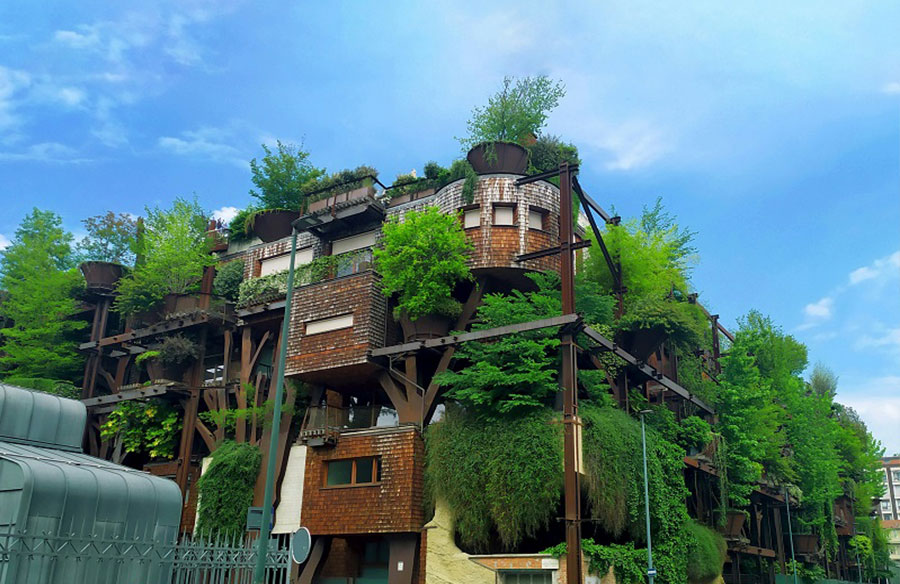
The demand for sustainable architecture is growing. As environmental awareness deepens, architects and developers face an increasing need to create eco-friendly spaces that minimize environmental impact. However, the path to sustainable construction is often more complex—and costly—than traditional building methods. Sourcing eco-friendly materials, integrating renewable energy, and adopting innovative technologies all contribute to the challenge of financing such projects. For those looking to bridge funding gaps and bring ambitious designs to life, understanding the range of financing options is crucial. This article explores practical solutions for financing sustainable architecture, from traditional funding to personal loans that empower architects to pursue sustainable innovations.
Navigating the Financial Challenges of Sustainable Architecture
Creating a sustainable building isn’t just about choosing recycled materials; it’s about the whole lifecycle of the structure—from construction to operation and beyond. While the benefits of sustainable architecture are clear, the financial challenges can often overshadow these rewards.
Sourcing High-Cost Sustainable Materials
One of the primary hurdles in sustainable architecture is the cost of materials. Green construction often requires specific materials that might be more expensive than conventional options. For instance, bamboo, reclaimed wood, and recycled metal are popular in eco-friendly construction but typically come at a premium due to their sustainable production processes. This added cost can make budgeting difficult for projects aiming to prioritize sustainability without sacrificing quality.
To tackle these material costs, some developers opt for a blend of traditional financing and additional resources such as a personal loan to cover unexpected expenses. A personal loan can be a flexible solution, offering funds quickly to keep projects moving even when material prices fluctuate. By strategically using such loans, developers can ensure they remain within budget without compromising on their green goals.
Adopting Renewable Energy and Eco-Friendly Technology
Incorporating renewable energy sources and advanced eco-technologies into building designs is another major cost factor. Solar panels, geothermal systems, and energy-efficient HVAC units all represent significant initial investments. While these features ultimately reduce operational costs and benefit the environment, they can strain a project’s upfront budget.
Grants and tax incentives are available to ease these initial expenses, but they may not cover all costs. Here again, personal loans can help developers bridge financial gaps. For example, if a grant only partially funds a solar installation, a personal loan can make up the difference, allowing the project to proceed as planned. This blended financing approach enables developers to commit to their environmental goals without stalling due to insufficient funding.
Exploring Financing Options for Sustainable Architecture
Despite the challenges, architects and developers have a variety of financing options available to support their sustainable projects. From government incentives to innovative lending models, there are numerous paths to secure funding.
Government Grants and Incentives
Many governments offer grants and tax breaks to encourage sustainable construction. These incentives can significantly reduce the costs of eco-friendly projects, making them more financially feasible. For example, the U.S. government provides tax deductions for energy-efficient commercial buildings under Section 179D, while the European Union offers subsidies for renewable energy installations. Such programs can dramatically lower a project’s financial burden, allowing developers to reinvest savings into other sustainable initiatives.
However, not every project qualifies for these incentives, and they may only cover a portion of the total costs. When grants fall short, personal loans offer a reliable way to complete funding. By taking a small personal loan to supplement government support, developers can ensure they have the capital needed to achieve their green design goals.
Sustainable Investment Funds
Another avenue for funding sustainable architecture is through green investment funds, which focus on supporting projects with environmental and social benefits. These funds are increasingly popular among investors looking to align their portfolios with environmental values. Many green investment funds provide capital specifically for eco-conscious construction projects, and they often have less restrictive repayment terms than traditional lenders.
Developers can use these funds to cover a wide range of project needs, from eco-materials to advanced energy systems. Additionally, personal loans can serve as supplementary funding if investment amounts fall short, helping developers keep pace with project timelines and avoid delays. By strategically combining green investment funds with personal financing options, architects can effectively balance innovation with financial stability.
Strategies for Balancing Cost and Innovation in Green Building
Achieving a balance between cost and innovation is crucial in sustainable architecture. Architects and developers must not only source funding but also use it wisely to optimize their projects’ financial and environmental outcomes.
Prioritizing High-Impact Sustainable Features
One of the most effective ways to control costs in sustainable architecture is by prioritizing features that offer the greatest environmental impact. Rather than investing in every green technology available, developers can focus on the features that will provide the highest return in energy savings or resource efficiency. For instance, while a building might benefit from both solar panels and rainwater harvesting, choosing one high-impact system initially can reduce costs while still achieving substantial sustainability benefits.
When budget constraints arise, personal loans can help cover additional costs for these high-priority features without overstretching other resources. By focusing financing on the most impactful technologies, developers can maintain financial control while making meaningful contributions to sustainability.
Maximizing Operational Savings with Eco-Friendly Upgrades
A critical advantage of sustainable architecture is the long-term operational savings it generates. Energy-efficient buildings typically have lower utility bills and reduced maintenance costs, offering developers an opportunity to recoup their initial investments over time. For developers needing immediate financial flexibility, a personal loan can act as a bridge, covering upfront expenses and allowing them to benefit from the future cost savings of green architecture.
Through this strategy, developers ensure that short-term costs don’t prevent them from realizing long-term gains. Personal loans can provide a buffer for up-front expenses, allowing projects to benefit from energy savings without delay.
Conclusion
Financing sustainable architecture requires a careful balance of innovation and financial strategy. While eco-friendly materials, renewable energy, and advanced technologies elevate both the environmental and financial profiles of projects, they also pose significant upfront costs. By utilizing a mix of government incentives, green investment funds, and personal loans, developers can overcome financial obstacles and achieve their sustainability goals.
Investing in sustainable architecture is a commitment to the future. As green building practices continue to evolve, having a clear financing plan is key to balancing cost and innovation, enabling architects and developers to construct spaces that benefit both people and the planet.







