

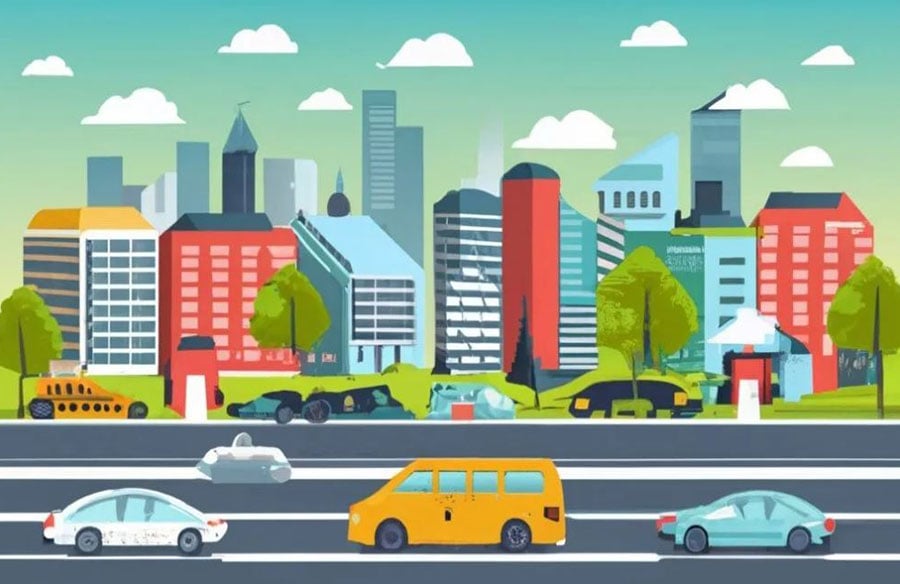
Think of those long drives through Montana’s open spaces, with mountains on one side and endless skies on the other. Now imagine doing that without touching the wheel or pressing the gas pedal. That’s the world of self-driving cars, and it’s changing more than just how we get around, it’s reshaping the very roads and towns of Montana, creating new ways to think about driving, safety, and how cities are built.
The Evolution of Self-Driving Cars in Montana
Self-driving cars aren’t just a new gadget. They’re shaking up how cities and towns plan their roads, parking lots, and even public spaces. Even in a state known for open highways and small-town living, the impact could be huge.
Most car accidents are due to human error. What would it mean if self-driving technology could cut those numbers in half or more, potentially saving thousands of lives every year?
Montana’s not exactly New York or Los Angeles with their packed streets and endless traffic. Here, driving is more about big distances and scenic routes. But even in a place like this, self-driving cars are starting to make an impact.
These smart vehicles use high-tech tools like sensors and cameras to navigate without human help. In a town like Bozeman or Missoula, this might mean cars that drop you off at the local ice cream shop and then go find parking on their own.
For ranchers or folks living farther out, self-driving trucks could help haul supplies or get to town more easily. It’s a mix of convenience and the latest tech right in the heart of Big Sky Country.
How Montana’s Infrastructure is Adapting
Montana’s roads are known for being wide, long, and sometimes winding. With AVs hitting the scene, those roads might need some tweaks. For instance, special lanes could be added that help self-driving cars stay on course.
Plus, intersections could get smarter with sensors that “talk” to cars and help manage traffic better. Imagine an intersection where cars don’t need to stop because they already know when it’s safe to go. It’s like a well-choreographed dance, but with vehicles.
Parking is another thing that could change. If self-driving cars can drop people off and park somewhere farther away, downtown areas could see fewer packed lots and more open spaces. A crowded parking lot could one day be transformed into a park or even a farmers’ market.
The Economic and Environmental Side of Things
Self-driving cars could mean fewer accidents and smoother traffic, which saves money on repairs and road maintenance. According to some reports, reducing traffic issues could save billions in costs. For Montana, this means that towns and cities could use the money for other things, like better schools or community centers.
These cars are often electric, so they’re better for the environment too. Picture your drive along Flathead Lake but with cleaner air and fewer gas stations dotting the highway. That’s the future AVs promise. But to really make this work, Montana will need to invest in charging stations and other tech that supports electric vehicles.
What Happens When Accidents Occur?
Even with all this technology, accidents still happen. And when a self-driving car is involved, things can get complicated. Who’s at fault? The car’s owner? The company that made the software?
For example, if a self-driving car bumps into another car, figuring out why it happened is tricky. Was it a glitch or did a human driver do something unexpected?
This is where a car accident attorney from Montana comes in. They can help people understand their rights and navigate the complicated laws around accidents.
So if you’re ever involved in an accident, don’t feel lost, there are experts who know exactly how to help.
How Self-Driving Cars Impact Daily Life
Think about how Montana’s elderly population might benefit. For someone who’s stopped driving due to age, a self-driving car could mean getting to the store or visiting friends without needing a ride.
Parents might also feel more comfortable sending their kids to school in a bus that drives itself, cutting down on chaotic school drop-offs.
But there’s a flip side. Truck drivers and delivery folks might worry about job security as more self-driving options hit the road. However, new tech means new types of jobs too, like managing fleets of AVs or maintaining the software that keeps them running smoothly.
Challenges and Safety Concerns
Autonomous vehicles aren’t perfect. In Montana, weather can be unpredictable – snowstorms, icy roads, and sudden downpours are part of everyday life. Self-driving cars need to handle all that safely, which is still a work in progress.
Another concern is hacking. Just like someone could mess with a computer, they could try to hack a car, which raises big questions about safety.
On top of that, Montana’s roads might need upgrades, like better lane markings and more reliable cell service, especially in remote areas. These changes take time and money, but they’re necessary if we want AVs to work well everywhere, not just in big cities.
The Future of Montana with Self-Driving Cars
What will Montana look like in the next 10 or 20 years? There will surely be fewer traffic lights because cars already know when to slow down or stop, and more green spaces where parking lots used to be. Missoula, for example, might have AV-friendly roads that allow for smoother, safer driving. The potential is there, but it’ll take some smart planning and teamwork to make sure the state is ready.
Lawmakers are already looking at how to create rules that keep things fair and safe. For Montana, the future with self-driving cars isn’t just about new technology, it’s about making the state a better place to live, whether you’re in a city, a small town, or way out in the country.
Wrapping It Up
Autonomous cars are changing how we think about driving and how cities are designed. In Montana, this means a mix of exciting opportunities and some challenges to tackle. With the right balance, these cars could make life easier, safer, and a lot more interesting.







