With climate change a growing concern, homeowners are increasingly aware of how daily choices impact the environment, including the type of fuel they use for heating. Heating oil is commonly used in many homes, particularly in colder regions, but it contributes to carbon emissions. Fortunately, there are several steps homeowners can take to minimize heating oil’s carbon footprint and make their homes more energy-efficient. This article explores practical methods to reduce emissions, from upgrading equipment to considering alternative fuel options like biofuel.
Understanding the Environmental Impact of Heating Oil
Heating oil, a type of refined petroleum product, is traditionally used in oil-fired furnaces and boilers to generate warmth in homes. However, like other fossil fuels, heating oil emits carbon dioxide (CO₂) and other greenhouse gases (GHGs) when burned, contributing to global warming. Home heating, especially in colder climates, can account for a substantial part of a household’s carbon footprint. Therefore, reducing heating oil’s environmental impact is essential for anyone looking to live more sustainably.
Why Reducing Carbon Footprint Matters
Cutting down on carbon emissions isn’t just about following trends; it’s about actively participating in the global movement to protect the environment. A smaller carbon footprint means less pollution, cleaner air, and a more sustainable future for everyone. By lowering heating oil consumption, homeowners can not only contribute to these larger goals but may also benefit from reduced heating costs over time.
Ways Homeowners Can Reduce Heating Oil’s Carbon Footprint
Homeowners have several options to reduce their dependence on heating oil, decrease consumption, and lower emissions. Here are a few impactful ways to make a difference.
1. Upgrade to High-Efficiency Heating Equipment
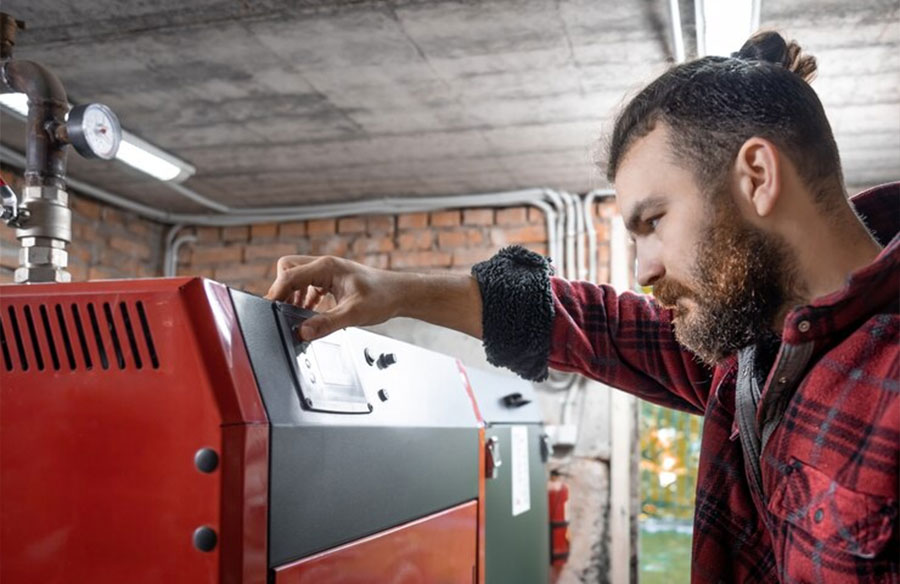
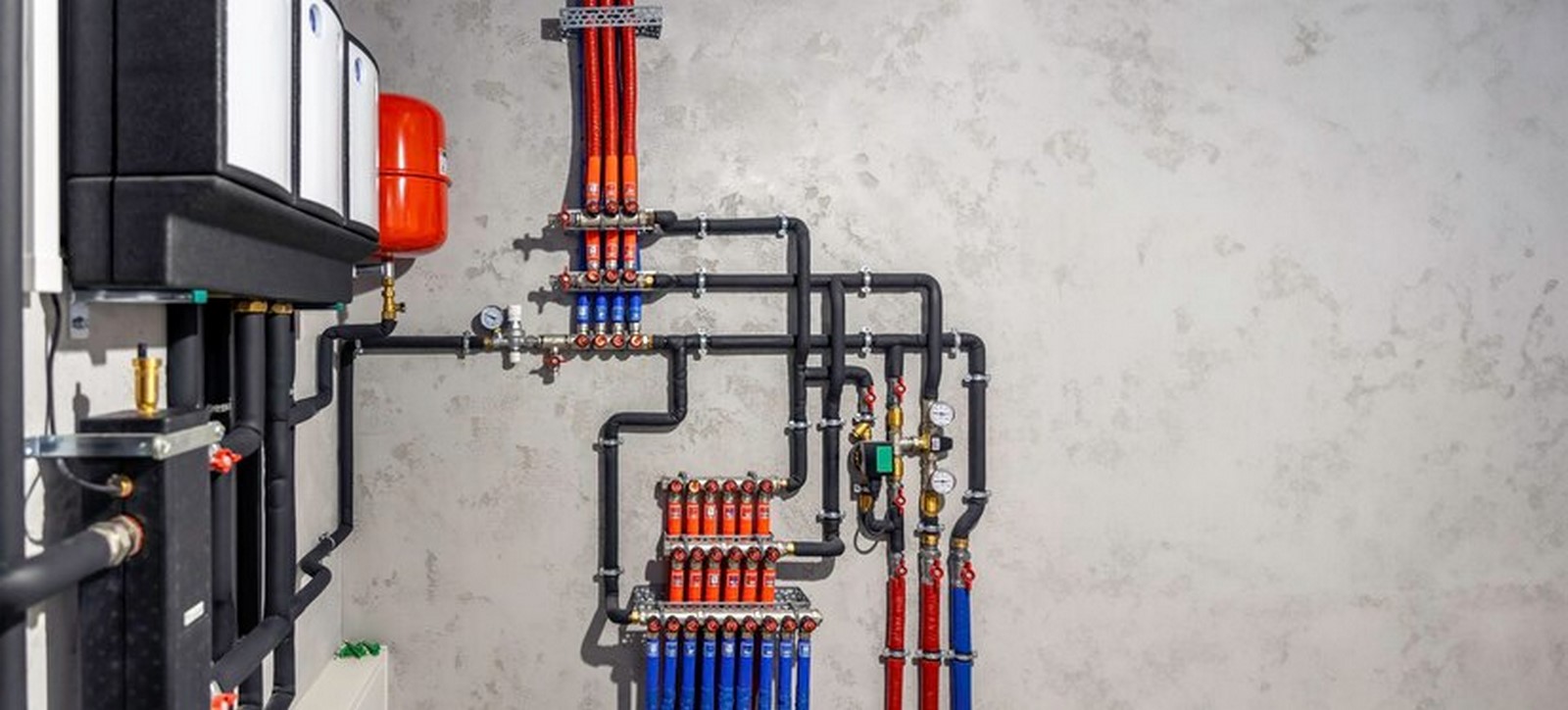
One of the most effective ways to reduce heating oil usage is by upgrading to a high-efficiency furnace or boiler. Modern heating systems are designed to use less fuel while generating the same level of heat, which directly translates into fewer emissions. For example, switching from an older heating system with 70% efficiency to a newer model with 90% efficiency means that less oil is required to heat the home.
Key Benefits of High-Efficiency Systems:
Lower Fuel Consumption: High-efficiency furnaces and boilers use less heating oil to produce the same amount of warmth.
Cost Savings: Although upgrading requires an initial investment, reduced fuel consumption can lead to significant savings over time.
Reduced Emissions: Newer systems produce fewer greenhouse gases per unit of heat generated.
For homeowners interested in reducing their carbon footprint, companies like Romeo’s Fuel offer services to help upgrade and maintain energy-efficient heating systems.
2. Conduct Regular Maintenance on Heating Equipment
Regular maintenance ensures that heating systems operate at peak efficiency. Neglecting oil-fired systems can lead to buildup, blockages, and other issues that make the system work harder and burn more fuel.
Essential Maintenance Tasks:
Annual Inspections: Schedule professional inspections to check for potential issues and ensure the equipment is running efficiently.
Clean Filters and Chimneys: A clean system burns oil more completely, which means fewer emissions and lower fuel use.
Tune-Up Adjustments: Minor adjustments to the system can improve fuel efficiency and cut down on unnecessary emissions.
Routine maintenance can extend the life of the heating equipment, keep energy costs lower, and reduce heating oil’s environmental impact.
3. Consider Biofuels as an Alternative to Traditional Heating Oil
One of the most promising ways to reduce the carbon footprint of heating oil is through the use of biofuels, which are renewable and produce fewer emissions than traditional fossil fuels. Biofuels for home heating typically blend traditional heating oil with renewable materials, like vegetable oil or animal fat. The result is a fuel that burns cleaner and releases less CO₂.
Types of Biofuels:
B5 to B20 Blends: These blends contain between 5% to 20% biofuel mixed with traditional heating oil and are compatible with most existing oil-fired heating systems.
Pure Biodiesel (B100): Although less common for residential heating, B100 is an option for homeowners committed to completely eliminating petroleum from their fuel mix.
Advantages of Biofuel:
Lower Carbon Emissions: Biofuels generally emit less CO₂ and other pollutants than traditional heating oil.
Renewable Source: Made from organic matter, biofuels are a renewable resource, unlike fossil fuels.
Compatibility: Many biofuel blends can be used in existing heating systems with little to no modification.
4. Improve Home Insulation and Sealing
Another effective strategy to reduce heating oil consumption is to improve insulation and sealing within the home. Proper insulation keeps warm air inside during the winter and reduces the workload on heating systems, meaning less oil is burned.
Steps to Enhance Insulation and Sealing:
Add or Replace Insulation: Upgrading attic, wall, and floor insulation helps maintain indoor temperatures.
Seal Air Leaks: Use caulking and weather-stripping around doors, windows, and other potential draft areas.
Install Double- or Triple-Glazed Windows: Windows are a significant source of heat loss; energy-efficient windows keep the warmth inside, leading to less heating oil usage.
With these improvements, homeowners can reduce the amount of heating oil required, cut down on energy costs, and decrease their carbon footprint.
5. Use Smart Thermostats and Temperature Controls
Smart thermostats allow homeowners to monitor and control their home’s temperature more precisely. Many of these devices can be programmed to lower temperatures when no one is home or during the night, which saves fuel.
Advantages of Smart Thermostats:
Customized Temperature Settings: Programmable settings allow for optimal heating schedules, reducing unnecessary heating.
Remote Access: Some smart thermostats can be adjusted via smartphone, so you can manage heating even when you’re not home.
Energy Consumption Insights: Many smart thermostats provide data on energy use, helping homeowners identify additional ways to conserve fuel.
Implementing these smart technologies enables homeowners to optimize heating times, which helps conserve oil and reduce emissions.
6. Explore Renewable Energy for Supplementary Heating
While heating oil may remain necessary during the coldest months, homeowners can supplement their heating with renewable energy sources like solar or geothermal heat. These systems can work alongside oil-based heating systems, providing additional warmth and reducing oil demand.
Options for Supplementary Renewable Heating:
Solar Thermal Systems: These systems use solar energy to heat water or air, which can be integrated into the home’s heating system.
Geothermal Heat Pumps: By utilizing the consistent temperature below the Earth’s surface, geothermal systems can supply heat with minimal emissions.
Using renewable energy as a supplementary source can reduce oil consumption and lower a home’s overall carbon footprint.
Practical Tips for Lowering Heating Oil Usage
Beyond equipment upgrades and alternative energy sources, some simple lifestyle changes can help lower heating oil use:
Dress in Layers Indoors: Wearing warm clothing allows you to keep the thermostat at a lower setting.
Close Off Unused Rooms: Heating less frequently used rooms reduces the workload on your system.
Let in Sunlight: During the day, open blinds and curtains to allow sunlight to naturally warm up the room.
These everyday habits may seem small, but they add up over time and can contribute to a lower carbon footprint.
The Future of Heating Oil and Sustainable Alternatives
The shift toward renewable and cleaner energy sources is well underway, and heating oil is no exception. As technology advances, we’re likely to see more efficient and environmentally-friendly heating options become available. Biofuels, renewable supplements, and high-efficiency systems are just the beginning of what’s possible for reducing home heating’s carbon footprint.
For homeowners currently reliant on heating oil, taking steps like upgrading equipment, using biofuels, and improving insulation can make a meaningful difference today. By staying informed and proactive, homeowners can reduce their environmental impact while staying warm and comfortable.
Conclusion
Reducing heating oil’s carbon footprint is achievable with a combination of thoughtful upgrades, regular maintenance, and adopting eco-friendly practices. From investing in biofuels to simply making small lifestyle adjustments, each action helps to build a more sustainable future for our planet and the generations to come.
Rethinking The Future (RTF) is a Global Platform for Architecture and Design. RTF through more than 100 countries around the world provides an interactive platform of highest standard acknowledging the projects among creative and influential industry professionals.
We use cookies to ensure that we give you the best experience on our website. If you continue to use this site we will assume that you are happy with it.