

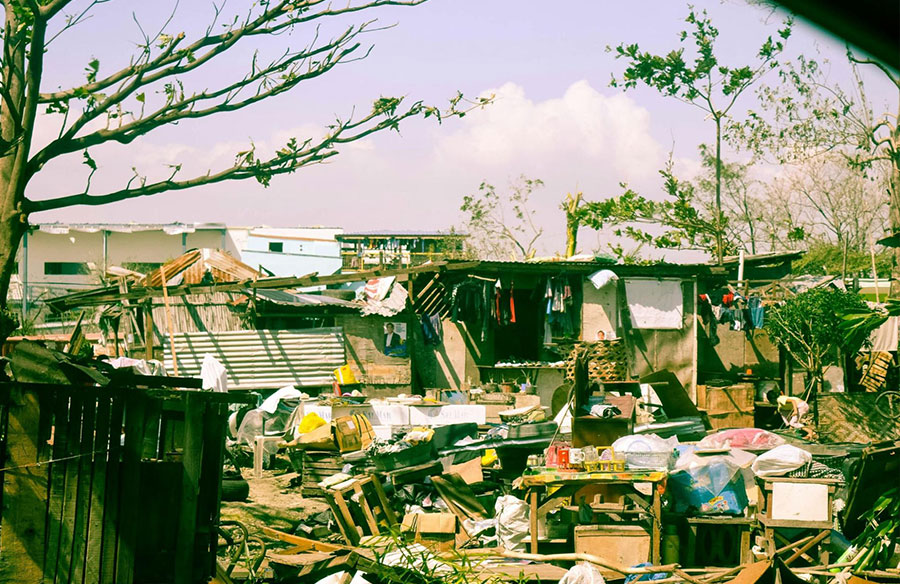
Our world is increasingly susceptible to natural disasters, tragedy, and unforeseen crisis. Sustainable crisis architecture has emerged as a potential hero of innovation.
This architectural approach emphasizes using environmentally friendly materials and adaptable designs capable of withstanding and recovering from emergencies. But what exactly does sustainable crisis architecture involve, and why is its adaptability so crucial?
Today, we’ll dive into the core elements of sustainable crisis architecture. From sustainable materials to modular designs that offer rapid adaptability, we’ll discuss how architecture can mitigate the impacts of crises.
Sustainable Practices in Architecture
The foundation of sustainable crisis architecture lies in its “ingredients”. Sustainable building materials are chosen for their environmental benefits, durability, and versatility in crises.
For example, bamboo has gained popularity as a sustainable resource due to its rapid growth and strength. Recycled steel and concrete are also frequently used for their robustness and low environmental impact. These materials contribute to an architecture that can withstand harsh conditions while minimizing ecological footprints.
Another example is the application of hempcrete. It’s a biocomposite material made of the inner woody core of the hemp plant mixed with a lime-based binder.
The material’s remarkable insulating properties offer thermal and acoustic insulation in situations where comfort and privacy may be compromised. In worst-case scenarios, this makes things a lot easier on the National Crime Scene Cleanup crew.
Energy-Efficient Design Principles
Energy efficiency is another aspect that many people overlook – at least until recently. Incorporating energy-efficient design principles helps maintain essential functions during a crisis, even when traditional power sources fail.
Passive solar design, natural ventilation, and high-performance insulation are just a few strategies to minimize energy consumption while maximizing resilience.
For instance, buildings designed with passive solar heating capture and store solar energy during the day, reducing reliance on external power sources. Similarly, using natural ventilation systems can decrease the need for artificial cooling, offering comfort and sustainability in equal measure.
Impact on Reducing Carbon Footprint Even in Crisis Situations
It is possible to maintain a commitment to reducing carbon footprints even during a crisis. Sustainable crisis architecture prioritizes eco-friendly practices that minimize emissions, even under duress.
Efficient waste management systems, renewable energy sources, and water conservation techniques are integral to this approach.
During these situations, such as natural disasters, the quick construction of temporary shelters is often necessary.
Utilizing prefabricated structures made from low-carbon materials ensures that these short-term solutions do not contribute to environmental degradation.
Modular Elements in Crisis Architecture
Modular architecture is characterized by prefabricated, interchangeable parts that can be quickly assembled and reconfigured to meet changing needs. It allows for rapid deployment and flexibility, making it an ideal solution for emergency response scenarios.
Examples include container homes and prefabricated hospitals, which can be swiftly transported and erected to provide immediate shelter and medical facilities. These structures demonstrate the versatility and practicality of modular designs, offering reliable solutions to pressing challenges.
Advantages of Modular Design in Responding to Crises
The benefits of modular design are manifold, particularly in the context of crisis response. Construction speed is perhaps the most significant advantage, as modular components can be manufactured off-site and assembled in a fraction of the time required for traditional construction methods. This expedites the provision of shelter and services to those affected by disasters.
Furthermore, modular architecture offers scalability and adaptability. Structures can be expanded, reduced, or repurposed as needs evolve, providing maximum flexibility in dynamic situations.
Additionally, the consistent quality of prefabricated components ensures reliability, which is crucial during emergencies. These advantages make modular design a powerful tool in the arsenal of crisis architecture.
Cleanups Post-Emergencies
After a disaster strikes, the cleanup process often presents its own set of challenges. Debris removal, waste management, and the restoration of infrastructure require meticulous planning and execution.
One of the primary challenges is managing the vast amounts of debris generated by natural disasters. Sustainable architecture advocates for using materials that are easier to recycle or repurpose, minimizing the environmental impact of cleanup operations.
Additionally, by designing buildings with disassembly in mind, architects can streamline the deconstruction process, reducing both time and cost.
Conclusion
Sustainable crisis architecture harnesses innovative techniques and materials to address the pressing demands of emergencies while safeguarding the environment.
It mitigates the immediate impacts of crises by prioritizing sustainable practices such as using eco-friendly materials, energy-efficient designs, and modular construction. It contributes to long-term resilience and reduces carbon footprints.
Through strategic planning and execution, we can deliver rapid and adaptable solutions and embrace a forward-thinking ethos that values environmental responsibility.







