

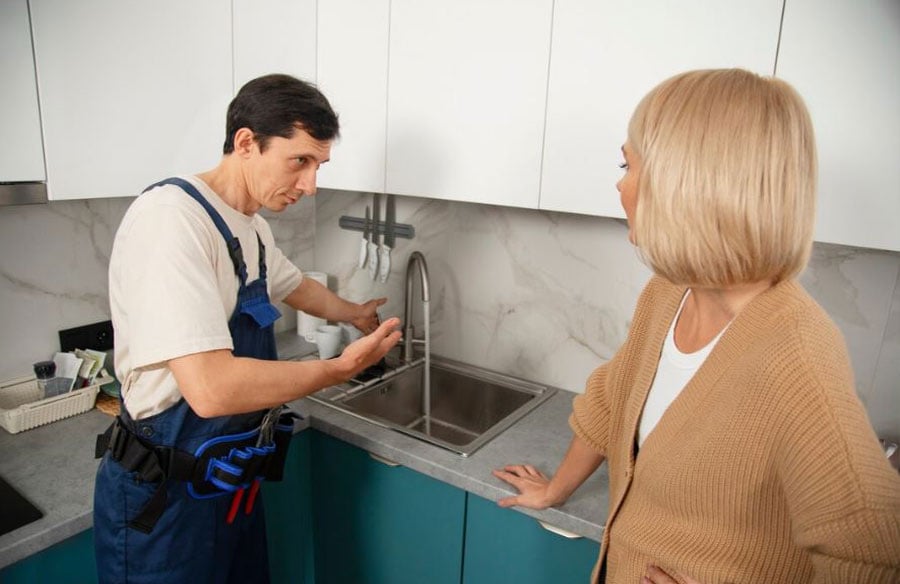
One of the most important decisions when it comes to plumbing repairs is deciding if you can do a good job yourself or need to call in some professionals. You may be tempted by the charm of saving money and learning a new set of skills through do-it-yourself (DIY) plumbing projects.
However, attempting to DIY a plumbing project without the know-how and experience can result in expensive errors and headaches. It is important when to roll up your sleeves and when to dial for help.
Understanding DIY Plumbing: Pros and Cons
Pros of DIY Plumbing
One of the biggest benefits of DIY home plumbing is that it can save you money. You can save money by fixing less complex plumbing issues yourself. From a leaky faucet to a clogged drain, there are multiple menial tasks that can be easily done without the help of a professional.
In the case of a leaking faucet, for example, you’d be able to walk over and fix and do a DIY bathroom plumbing work yourself instead of waiting. Doing the repair on your own also saves time and gives you a chance to learn skills that would come in handy for home maintenance down the line.
If you opt for DIY house plumbing projects, it will help increase your practical knowledge of how the plumbing system works and improve your confidence in dealing with such situations again.
Cons of DIY Plumbing
There are many dangers to DIY plumbing repair. One of the most common DIY plumbing problems is to create other issues that may cause more harm than good. Even minor DIY plumbing mistakes can transform a tiny concern right into something more catastrophic.
Afterward, you will need to repair it (which is not inexpensive. Some pipes may crack or fixtures break from the overtightening of the connections.
Another thing to consider is time. Doing the plumbing work yourself can be laborious, particularly if you do not possess the correct equipment or expertise. A task that appears easy may take hours, which can be very frustrating.
Finally, most plumbing DIY plumbing work and DIY plumbing guides confine you to easy tasks. A problem like a serious leak may be out of your league, and you will need to call in the professionals.
Common DIY Plumbing Tasks You Can Handle
1. Fixing Leaky Faucets
Leaky faucets are common household issues that can cause wastewater and drive up bills. Fortunately, fixing a leaky faucet is often straightforward. Armed with basic tools like a wrench and screwdriver, you can follow simple instructions to replace washers or O-rings.
As you disassemble the faucet, you may feel like a mini-plumber. Once you reassemble everything and turn on the water, the satisfaction of a successfully fixed faucet is rewarding.
2. Unclogging Drains
Blocked drains can disrupt your daily routine. Many homeowners can unclog a drain using a plunger or a drain snake. These tools effectively clear most clogs without relying on chemical cleaners, which can be harsh and damaging.
Imagine this: the water in your kitchen sink isn’t draining. Instead of panicking, you grab your plunger. After a few determined thrusts, the water swirls down the drain. The relief washes over you as you realize you’ve saved both time and money.
3. Replacing Bathroom Fixtures
Replacing bathroom fixtures—like faucets and showerheads—is another manageable DIY plumbing task. With a few basic tools and a little patience, you can transform your bathroom without a plumber’s help.
When you decide to upgrade your bathroom sink, you select a sleek new faucet. After shutting off the water supply, you set to work, removing the old fixture and installing the new one. As you turn the water back on and see the beautiful new faucet in action, you take pride in your handiwork.
When to Call a Professional Plumber
1. Gas Line Repairs
While many plumbing tasks can be DIY projects, some should be left to professionals—especially gas line repairs. The risks associated with gas plumbing are too significant to ignore. Incorrectly handling gas lines can lead to dangerous situations, including leaks and explosions. If you smell gas or suspect an issue, don’t hesitate—call a professional immediately.
2. Major Pipe Leaks or Burst Pipes
Another scenario where professional help is essential is during major pipe leaks or burst pipes. These situations can quickly escalate, causing significant water damage to your home. Even if you think you can handle it, the complexity often requires a trained plumber’s expertise.
Imagine discovering a large puddle in your basement due to a burst pipe. Attempting to fix this alone could lead to disaster. Instead, you reach for your phone and call a plumber, ensuring the problem is addressed promptly and effectively.
3. Installation of Major Appliances
Installing major appliances, such as water heaters or dishwashers, is another area where hiring a professional is advisable. These installations often involve complex plumbing connections and require adherence to safety standards and local codes. A professional can ensure everything is installed correctly, preventing future issues and keeping your home safe.
Key Mistakes to Avoid in DIY Plumbing
1. Over-Tightening Connections
One of the most common DIY plumbing fails is overtightening connections. While it may seem logical to make connections as tight as possible, this can lead to damage and leaks. It’s essential to find the right balance—tight enough to prevent leaks but not so tight that you risk cracking fittings.
2. Using Incorrect Tools or Materials
Using the wrong tools or materials can complicate a simple job. Before starting a DIY plumbing project, ensure you have the right tools and materials. Makeshift solutions can lead to failures down the line, costing you more in the long run.
3. Ignoring Local Plumbing Codes
Many homeowners overlook the importance of adhering to local plumbing codes. These regulations exist for safety reasons, and ignoring them can lead to serious consequences. If you’re unsure about a project, research your local codes or consult a professional before proceeding.
Make the Smart Choice for Your Next Plumbing Fix!
In the world of plumbing repairs, knowing when to embrace DIY and when to call in a professional is vital for maintaining your home. While DIY plumbing can offer significant benefits—like cost savings and newfound skills—it’s essential to recognize your limitations.
Whether it’s a leaky faucet or a major pipe burst, understanding the scope of the repair will help you make informed decisions. The next time you face a plumbing issue, take a moment to assess your options and remember: sometimes, it’s worth it to call in an emergency plumber.







