

Los Angeles is celebrated for its amazing weather, diverse culture, and breathtaking landscapes. However, it is also a region vulnerable to a range of natural disasters, including earthquakes, wildfires, floods, and mudslides.
According to Forbes, a staggering average of 18 billion-dollar climate disasters have struck the U.S. annually in the past five years. In 2022 alone, climate disasters caused a massive $175.2 billion in damages and resulted in 474 fatalities. Notably, Los Angeles County ranks as one of the most at-risk counties for natural disasters in the nation.
As climate change intensifies these threats, it becomes increasingly essential for residents to adopt proactive measures to safeguard their homes.
This article will discuss effective strategies for protecting various parts of your home against the potential impacts of natural disasters.
Understanding the Risks
Los Angeles, despite its sunshine and charm, sits squarely in the crosshairs of several natural disasters. Earthquakes are a constant concern, thanks to the city’s location along the infamous San Andreas Fault.
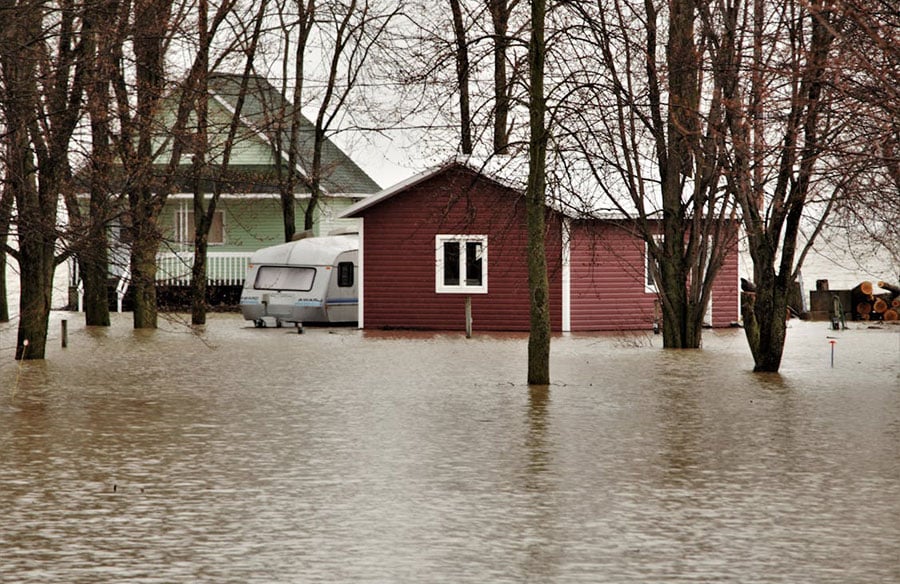
Another imminent danger is wildfires, which are fuelled by parched vegetation and hot, windy weather. Finally, heavy rains can lead to flooding, especially in low-lying areas and those near susceptible hillsides prone to mudslides.
Data paints a sobering picture: according to Phys.org, California has been the nation’s disaster capital for the past decade, experiencing 155 natural disasters from 2014 to 2023. Los Angeles County’s Emergency Management Office actively works with various agencies to prepare residents and respond to emergencies.
While wildfires, droughts, and even rare events like hurricanes and tornadoes have struck the region, earthquakes remain the biggest ongoing threat. Unlike predictable weather events, earthquakes lack the luxury of advanced warning. This underscores the importance of proactive preparedness to mitigate the impact of these inevitable events.
Protecting Your Roof
As one of the most critical components of your home, your roof plays a vital role in protecting your property from natural disasters. Regular inspections are crucial to ensure its ability to withstand strong winds and heavy rains. This includes checking for missing or damaged shingles and ensuring that gutters are clear of debris to prevent water buildup.
For older homes, consider retrofitting with wind-resistant materials like hurricane straps to secure the roof to the walls. In wildfire-prone areas, opt for fire-resistant roofing materials such as metal or tile.
According to LA Roofing Masters, expert roofing services can play a vital role in helping homeowners protect their roofs effectively. Skilled roofers can quickly identify and address potential issues, preventing further damage and extending the roof’s lifespan.
From minor repairs to major renovations, these professionals are equipped to handle all types of roofing materials and configurations. With their reliable roof repair services, you can rest assured that your roof will be in expert hands.
Securing Windows and Doors
Windows and doors represent vulnerable points in your home’s defense against natural disasters, making it essential to enhance their resilience.
According to CNBC, if you don’t currently have hurricane-impact windows, it’s worth considering their installation. However, if new hurricane windows aren’t within your budget, shutters can be a more affordable alternative for protecting windows and other openings.
The types of shutters available vary by material, installation method, and cost. For example, removable galvanized storm panels made of steel are one of the most economical options.
If you have impact-resistant windows, installing shutters can provide an additional layer of protection. It’s also important to address garage doors, which are often referred to as the “largest and weakest opening” in a home.
Replacing a garage door with a wind-rated or impact-resistant version can cost between $2,000 and $9,000. For those looking for a more budget-friendly solution, emergency bracings using temporary 2-by-4 wood can reinforce non-wind-resistant doors. Alternatively, a garage door storm kit can be purchased for up to $750, providing further protection against severe weather conditions.
Landscaping for Disaster Resilience
Landscaping is a vital aspect of disaster preparedness, particularly in mitigating risks associated with wildfires and flooding. Creating a defensible space around your property is essential. This involves clearing flammable materials like dry leaves and dead vegetation and trimming trees and shrubs to prevent them from fueling fires.
According to Nature, defensible spaces are areas modified to reduce wildfire threats by removing or replacing elements that increase fire hazards. Garden characteristics, including the type and cover of vegetation near a house, significantly influence the likelihood of house loss during a fire.
Additionally, native vegetation can absorb excess rainwater and reduce runoff, helping to mitigate flooding risks. Installing permeable paving in driveways and walkways allows water to seep into the ground rather than pooling around your home.
By effectively maintaining your landscape, you enhance your property’s resilience to natural disasters and create a safer environment for emergency responders.
Navigating the Evolving Insurance Landscape for Natural Disaster Coverage
This year has seen a trend where insurance companies are limiting coverage or withdrawing from certain states entirely, as reported by Reuters. Insurers are increasingly hesitant to write new policies in high-risk areas, forcing consumers to explore alternative coverage options.
States like California, known for its destructive wildfires, and Florida, vulnerable to hurricanes, have been particularly affected. For instance, homeowners in wildfire-prone areas of Los Angeles County may find it difficult to secure insurance due to the area’s inherent risks.
Given this challenging insurance landscape, homeowners may find themselves considering coverage from non-admitted insurance carriers. It is crucial for residents in disaster-prone areas to understand the specifics of their policies, including any exclusions for certain natural disasters.
Additional coverage options may be necessary to protect against events like floods or earthquakes, which are often not included in standard homeowners insurance.
FAQs
What should I include in my emergency kit?
Your emergency kit should include water, a flashlight, a first aid kit, non-perishable food, necessary medications, a multi-tool kit, and a whistle. Additionally, consider including a portable phone charger, cash, hygiene items, and a local map to ensure you are prepared for any emergency situation.
How often should I inspect my roof?
Homeowners should examine their roofs at least twice annually, preferably in the spring and fall. It’s also advisable to inspect after significant weather events. Conducting regular inspections allows for the early detection of potential problems, which can help avoid expensive repairs and ensure the roof effectively safeguards your home.
Is earthquake insurance necessary in Los Angeles?
Yes, earthquake insurance is essential in Los Angeles due to the city’s location on the San Andreas Fault. Standard homeowners’ insurance policies typically do not cover earthquake damage, making separate coverage vital for protecting your property. It also safeguards your finances against potential earthquake-related losses and repairs.
Protecting your home from natural disasters requires a multifaceted approach that includes proactive measures for structural integrity. By taking the steps outlined in the article, LA residents can significantly reduce their risk of damage from earthquakes, wildfires, and other natural disasters.
Preparing now will not only safeguard your property but also provide peace of mind for you and your family during uncertain times.







