

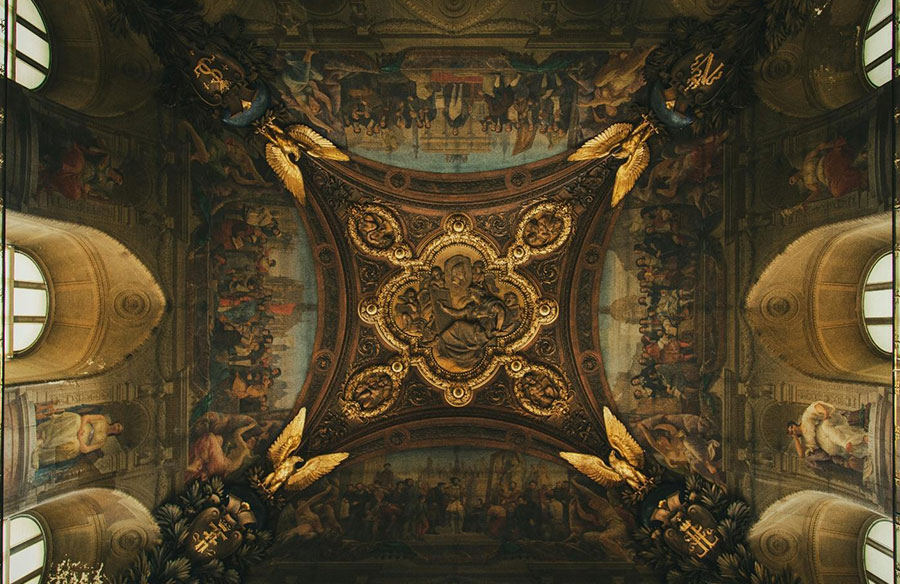
Art is fascinating and has been integrated into many domains and industries over the years. For example, the synergy between art and architecture has captured the attention of individuals worldwide, which has also sparked debate on whether architecture is an art itself, as people can find in it a form of self-expression and thus be seen as art. However, this is not something that all people accept, but what is true is that other artworks, such as paintings, drawings, or sculptures, can indeed be integrated into architecture and buildings worldwide.
A stunning architectural design needs something to enhance its appeal even more, especially in the interior, to add a little bit of personal interest. This is why, over the years, plenty of buildings in the world have become famous for showcasing unique art pieces that look like art galleries, even if they are not. Nowadays, buildings consider art into their design to tell a story or bring in more colors and make a powerful statement. So, we need to acknowledge that art can greatly impact architecture. Want to discover more on this topic? Keep reading.
How did art impact architecture over the years?
We can trace the mix of art and architecture thousands of years ago when people didn’t have art the way we know it today, but they still managed to do wonders with what they found available. For example, almost 20,000 years ago, during the Paleolithic period, people painted cave interiors, which could have served various purposes. Later, art was introduced into the building formations, especially in the Roman and Greek Empires, that wanted their architecture to stand out and make their rivals envious of them.
However, it was particularly during the Renaissance that art flourished in important countries in Europe, such as Spain, France, and Italy. This is why, during that time, architects started to design castles and chapels by prioritizing art and combining all its features seamlessly so that the final product would leave spectators speechless. The fusion of art and architecture was also present in Asian countries, and it served as inspiration for architects worldwide.
However, American architecture made a new wave in this landscape and launched a new trend, where architecture left the classical ornamentation and other details in the past and instead focused more on functionality, making thus the first steps toward modernism. Even though the buildings didn’t have the complex elements from the past anymore, they still considered art in a different way, making artworks stand out even more. For example, adding an art piece like a drawing in a building constructed mainly with metal, glass, and concrete can make that space look like an art gallery.
This is why the walls of today’s offices and houses can be the best canvas on which to hang artworks such as paintings. The good news is that there are many options when looking for drawings for sale, with pieces by the most known and loved contemporary artists.
Why is art influencing architecture?
Art is integral to architecture and can change the perspective around a certain construction. However, art has a different role in architectural projects worldwide. For example, art can be what architects need to introduce a unique design that enhances a building’s appeal. Even though with architecture, artists offer a structure to buildings, what makes these constructions stand out and catch attention is art.
Another great bonus of art is that it has the superpower to make a building feel alive and complement a building in the best possible way. So, art can transcend way further than concrete, bricks, and steel, which is why art has become integrated into architecture.
Art can spark creativity, foster a better connection with the building, and evoke emotions. This is why, now, buildings have incorporated artistic elements, such as murals, sculptures, paintings, and installations, to make a focal point on the buildings. Art can also encourage dialogue and be a great conversation starter.
How did modern art change the perception of architects?
Modern art refers to every form of art created from the 1950s to the present, when it broke free from traditional barriers. Nowadays, both modern art and architecture focus on experimentation and innovation, which is why architects have begun to be very interested in adding artistic elements into their projects that have the potential to create memorable and unique buildings. Modern art focuses on deconstructivism and neoplasticism, which can change the functionality and form of 21st-century buildings forever.
Modern art is also focused on minimalism, which has had an important impact on the creation of new buildings, as they started to have fewer forms and colors. This has led to the development of buildings, where the main source of inspiration is art. For example, the Casa da Musica building in Porto, Portugal, is a project focused on music and art, standing out for its impressive architectural features. Digital culture and pop art have influenced other projects, such as the Agbar Tower in Barcelona, Spain, showing that buildings could break free from the regular frameworks. The Guggenheim Museum in Bilbao, Spain, is also worth mentioning because it is a building that combines elements of modern architecture and abstract art.
The bottom line
Art is a fascinating domain that has started to make waves around the world and influence plenty of industries. Construction is one of them that has welcomed art with open arms, paving the way to more innovation and experimentation. The fusion of art with architecture can create more personalized and unique spaces, which can take architectural ideas to the next level. In the future, art will continue to be integrated into architecture, inspiring architects and designers worldwide.







