

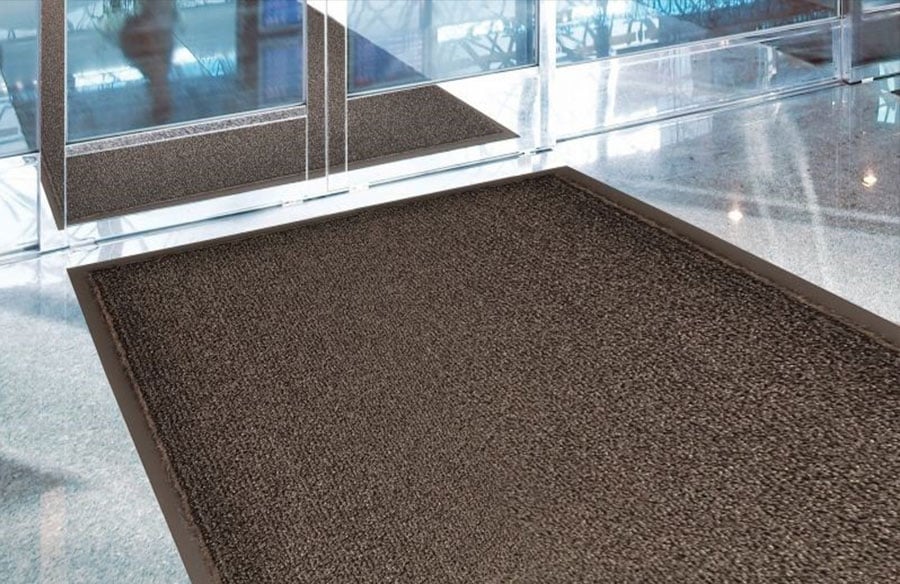
In any commercial or public building, entrance matting plays a pivotal role in enhancing aesthetics, safety, and cleanliness. For architects and construction planners, choosing the correct commercial entrance matting materials is essential to ensure that both functionality and regulatory requirements are met. Here, we’ll explore the various backing and pile materials, as well as key regulations, to guide your selection process.
Key Backing Types for Entrance Mats
The backing material of an entrance mat is crucial for its durability, stability, and suitability in various settings. The following are popular options:
Vinyl Backing
Vinyl-backed mats offer a cost-effective solution for indoor areas with moderate traffic. Vinyl is a lightweight, flexible material with a moisture barrier to prevent seepage. Its versatility makes it a preferred choice in many standard commercial applications.
PVC Backing
PVC backing is a durable choice for recessed installations and heavy-traffic areas. Known for its resilience against warping and shrinkage, PVC is ideal for applications where the mat needs to maintain its shape and grip over time. This material’s durability makes it a practical option for high-traffic zones, such as busy building entrances.
Rubber Backing
Rubber-backed mats are favoured for their anti-slip properties, flexibility, and resistance to weather conditions. These mats are generally heavier and stay in place well, which makes rubber a reliable choice for outdoor or industrial environments. Its all-weather capabilities provide added stability and resilience, especially in high-traffic areas.
Pile Material Options: Balancing Durability and Design
The pile material defines the mat’s appearance, functionality, and durability. While traditional fibres like cotton and coir are popular, modern synthetic materials offer greater resilience and are often better suited for commercial settings.
Traditional Materials
- Cotton: Cotton pile mats are soft and highly absorbent, making them suitable for low-traffic, indoor areas where a natural aesthetic is desired. However, due to their absorbency and less robust nature, they may require more frequent maintenance.
- Coir: Coir is a classic, eco-friendly choice derived from coconut husks. It offers a rustic, natural appearance, which can enhance particular architectural aesthetics. However, coir is not recommended for public buildings due to its non-compliance with the Disability Discrimination Act (DDA) and may also fall short of fire safety standards. It can pose challenges for wheelchair access and other mobility requirements, limiting its use in modern commercial projects.
Modern, Durable Fibres
- Polypropylene: Polypropylene is a synthetic fibre known for its durability, water resistance, and ease of cleaning. Its resilience to wear and tear makes it ideal for high-traffic areas in public spaces. Polypropylene mats are available in a range of designs, offering a balance of aesthetics and practicality.
- Synthetic Coir Alternatives: Synthetic options are available for projects requiring the look of coir but with regulatory compliance. These alternatives replicate coir’s visual appeal but meet DDA standards and fire regulations, making them more suitable for public buildings. Additionally, they are easier to maintain, ensuring a lasting, professional look for entrances.
Regulatory Considerations
Adhering to regulations is essential when planning matting for public or commercial buildings. Here are key considerations for accessibility and fire safety:
Accessibility Requirements
In the UK, the Disability Discrimination Act (DDA) stipulates that public spaces should provide equal access to all individuals, including those with mobility aids. Due to their rough texture and thickness, coir mats often do not comply with DDA standards, making them unsuitable for public buildings. Instead, polypropylene or synthetic coir alternatives are recommended, as they provide a smoother surface that is easier for wheelchairs and walking aids to navigate.
Fire Safety Regulations
Fire safety is a paramount consideration in public buildings. Natural fibres like coir may not pass stringent fire safety standards, particularly in environments requiring flame-resistant materials. Many synthetic mats are designed to meet fire safety standards, making them a more reliable choice in commercial and public settings.
Sustainability and Recyclability
As more projects seek sustainable building certifications, selecting eco-friendly matting materials is increasingly common. Recycled polypropylene mats, for example, offer a sustainable option without compromising durability. Additionally, some suppliers offer recyclable mats to help meet green building goals.
Conclusion
Selecting the right entrance matting material involves balancing durability, regulatory compliance, and design. Backing types like vinyl, PVC, and rubber each provide distinct benefits, while pile materials such as polypropylene and synthetic coir alternatives offer durability and ease of maintenance. By considering the specific requirements of each project, including accessibility and fire safety regulations, construction professionals can ensure a high-performance, compliant entrance matting solution. Consulting with suppliers early in the planning process can further help tailor matting choices to both practical needs and aesthetic preferences.







