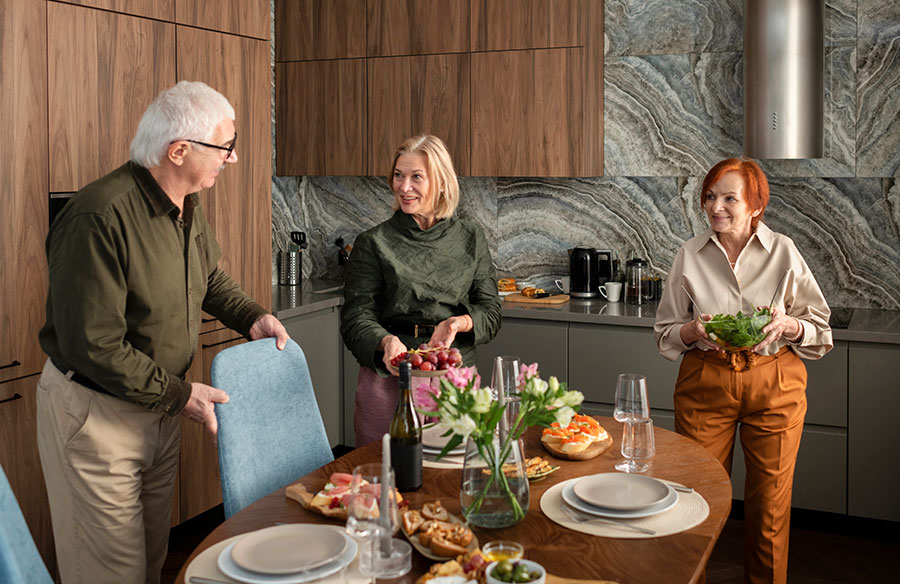
Choosing the right dining table is an important decision for your home. It’s not just a place to sit and eat but also a central piece that sets the tone for gatherings, conversations, and family time. With so many styles, materials, and sizes available, how do you make the right choice? Here are seven essential factors to consider before buying a new dining table. You can explore options at Homemakers Furniture by checking out their website: https://www.homemakersfurniture.com.au/.
1. Size of the Room
Before falling in love with a design, it’s crucial to measure the space where the dining table will go. A table that is too big can make the room feel cramped, while a table that’s too small may leave the area looking unbalanced. Ensure there’s enough room to walk around the table comfortably, leaving at least 90 cm (about 3 feet) of space between the table and the walls or any other furniture.
2. Seating Capacity
Think about how many people you need to accommodate regularly. If you host large gatherings, a table with extension options might be ideal. For everyday family meals, you may need fewer seats. Also, consider the table’s width—ensure there’s enough space for table settings without overcrowding.
3. Table Shape
The shape of the dining table can impact how well it fits in your space. Round tables are great for smaller rooms and create an intimate atmosphere, while rectangular tables are a classic choice for larger dining rooms. If you have an open-plan layout, oval or square tables might offer a more modern look.
4. Material
Choosing the right material for your dining table is key to balancing aesthetics and practicality. Solid wood, like oak or walnut, is durable and timeless but may require maintenance. Glass-topped tables provide a modern and sleek look but can show fingerprints and smudges easily. Metal and stone are sturdy choices but may feel cold. Consider how the material complements your décor and lifestyle.
5. Style and Design
Your dining table should reflect your personal style and the overall theme of your home. Whether you prefer traditional, rustic, minimalist, or modern designs, make sure the table aligns with your existing furniture. Think about the table’s legs too—pedestal tables offer more legroom, while four-legged tables provide more stability.
6. Durability
A dining table is a long-term investment, so choose one that can withstand everyday wear and tear. Consider the strength of the material and the table’s construction. If you have children or regularly host gatherings, opt for materials that are scratch-resistant and easy to clean. A well-constructed table will not only last for years but also maintain its appearance.
7. Budget
Dining tables come in a wide range of prices, from budget-friendly options to high-end designer pieces. While it’s tempting to focus on aesthetics, it’s important to balance style with affordability. Determine your budget beforehand and explore options that fit within it without compromising on quality.
Conclusion
Choosing a dining table is a decision that involves both functionality and style. By considering the size, seating capacity, shape, material, design, durability, and budget, you can find the perfect dining table that complements your space and meets your needs. Whether for family dinners or special occasions, a well-chosen dining table will become the heart of your home.