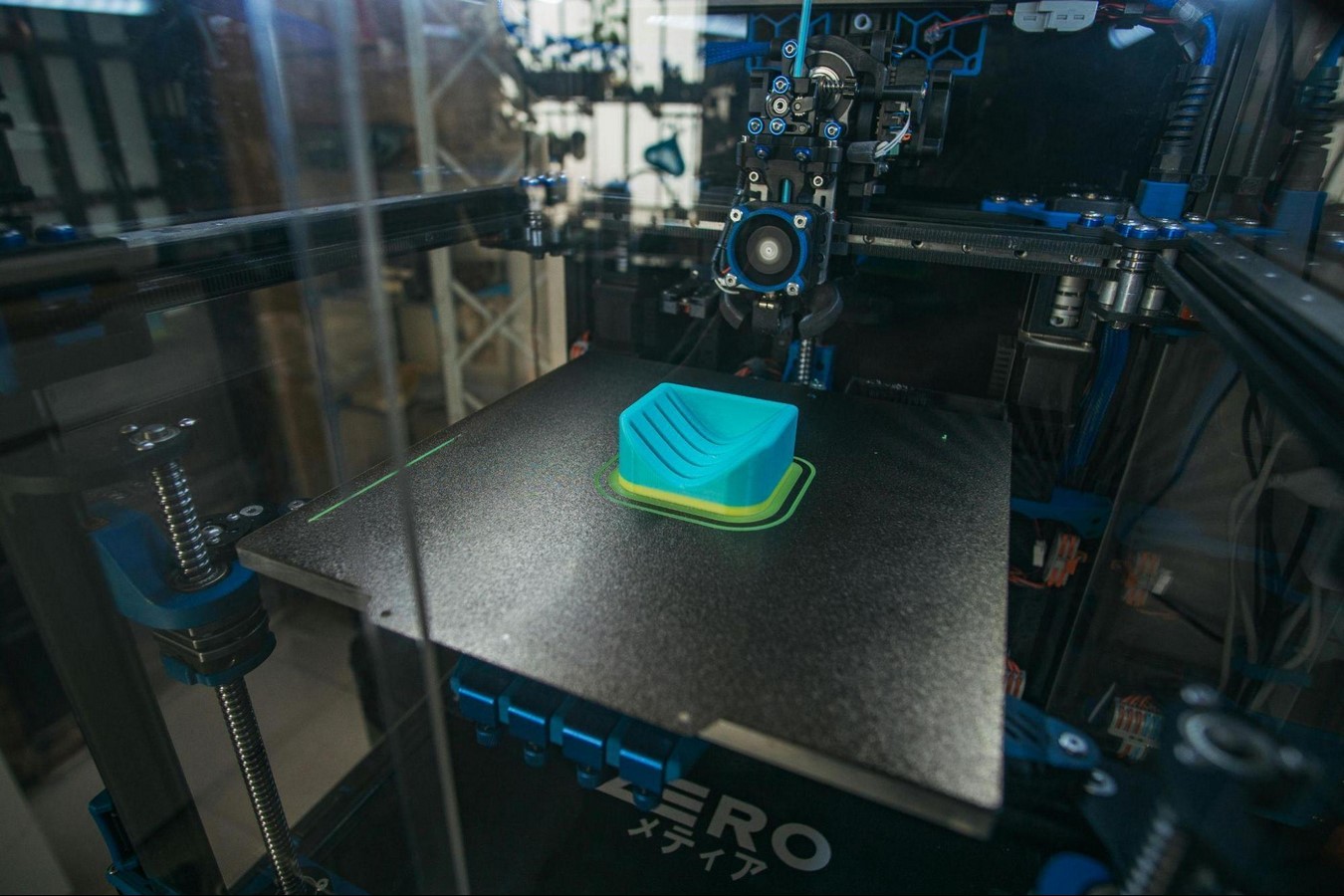
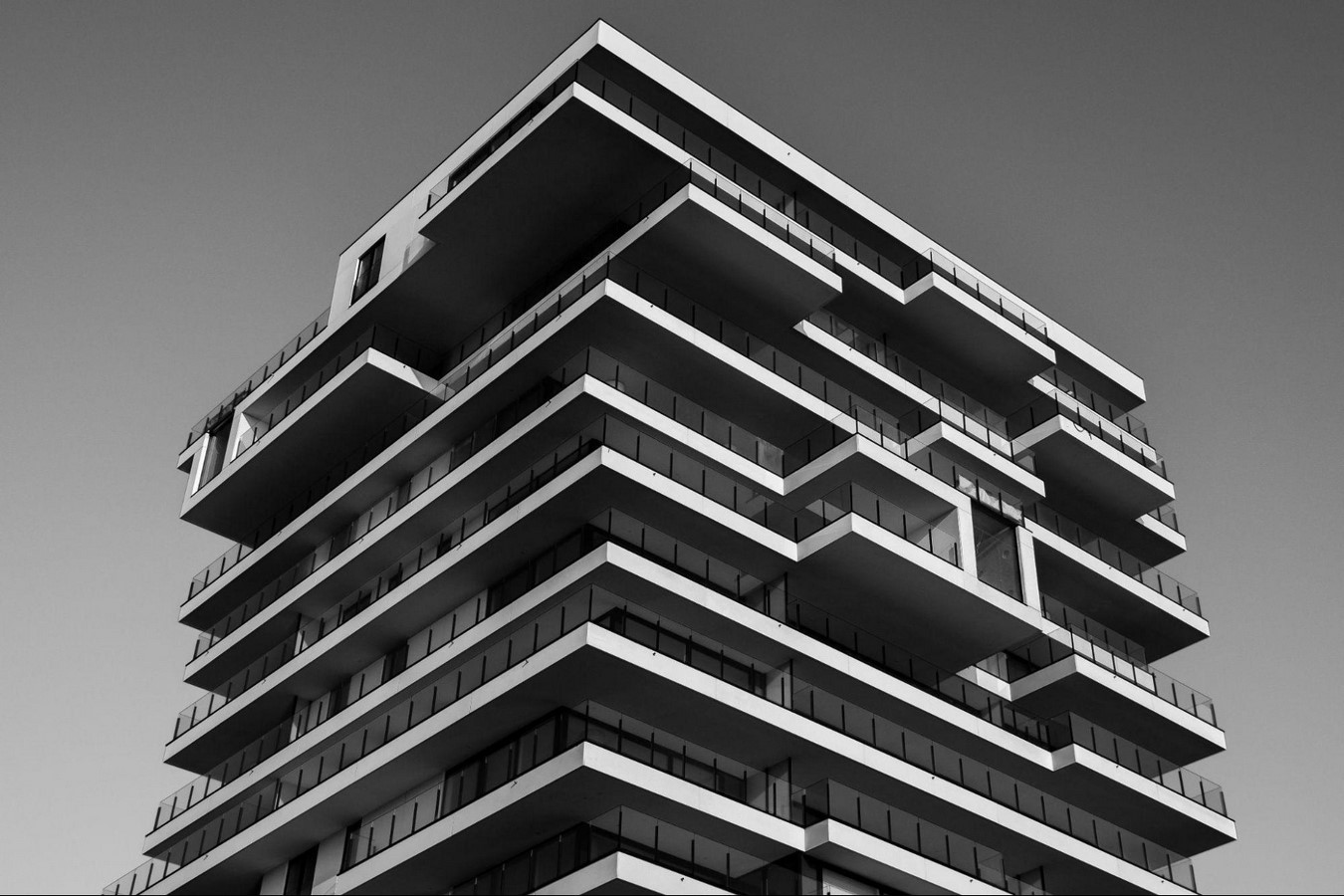
3D printing, or additive manufacturing, has revolutionized many industries by enabling faster prototyping, increased complexity, and customization without the cost penalties typically associated with traditional manufacturing methods. In the realm of architecture, 3D printing offers a promising path from conceptual design to tangible models, allowing architects and designers to bridge the gap between vision and reality with unprecedented efficiency.
Why Is 3D Printing Important for Architectural Prototyping?
How Does 3D Printing Benefit the Design Process?
The introduction of professional and industrial 3D printers has brought a multitude of benefits to architectural design, streamlining the creation and revision of models and enhancing the communicative aspect of architectural presentations. Key benefits include:
Enhanced Visualization: Architects can now present physical models that accurately represent the intended design, helping clients and stakeholders better understand the project.
Iterative Design: Quick production of models means more room for feedback and improvements, ensuring the final design is well-refined.
Customization: Each model can be easily modified to incorporate new details or adjustments without significant time or resource investment.
What Challenges Does 3D Printing Address in Architectural Design?
Traditionally, architectural prototyping has been constrained by the limitations of manual model-making techniques—time-consuming processes that often could not keep pace with the rapid development of design ideas. 3D printing addresses these limitations by:
Reducing the time required to produce physical models.
Allowing for more complex designs that are difficult or impossible to achieve with traditional methods.
Providing a cost-effective solution for multiple iterations.
What Are the Types of 3D Printing Technologies Used in Architecture?
Fused Deposition Modeling (FDM)
FDM works by extruding small streams of melted materials to form layers. This technology is particularly well-suited for initial prototypes of architectural projects, as it supports a variety of materials and colors, enabling architects to experiment with designs and structures quickly and inexpensively.
Stereolithography (SLA)
SLA stands out for its ability to produce high-detail and complex geometries with a smooth surface finish. This makes it ideal for creating detailed architectural models that require precise features and a high-quality aesthetic, allowing designers to present their projects with enhanced clarity and detail.
Selective Laser Sintering (SLS)
For architectural models that need to withstand handling and structural assessment, SLS is a preferable technology. It uses a laser to sinter powdered material into a solid structure, providing models with high durability and strength, suitable for intricate load-bearing architectural simulations.
How Does 3D Printing Transform the Prototyping Phase?
Speeding Up the Design Process
The integration of 3D printing into the prototyping phase has significantly accelerated the architectural design process. Key aspects include:
Reduced Turnaround Times: From design to physical model, what used to take weeks now takes only hours.
Simultaneous Prototyping: Multiple design variations can be printed concurrently, speeding up decision-making.
Immediate Revisions: Changes to designs can be quickly reprinted, ensuring the model always matches the current vision.
Enhancing Model Accuracy and Details
3D printing enables architects to achieve a level of detail and precision previously unattainable with conventional model-making techniques. This accuracy is crucial when exploring complex facades or intricate features within a structure, providing a realistic representation of the intended design.
Cost Reduction in Material and Labor
Significant cost savings are another advantage of using 3D printing for architectural models, as it reduces the need for expensive materials and manual labor. Cost factors positively impacted by 3D printing include:
Material Efficiency: 3D printing generates less waste since material is added rather than removed.
Labor Costs: Automated printing processes require less manual intervention, decreasing the labor cost associated with model making.
Step-by-Step Guide to 3D Printing an Architectural Model
Designing for 3D Printing
When preparing a design for 3D printing, considerations include:
Model Integrity: Ensuring the design is structurally sound and printable.
Detail Resolution: Adjusting the level of detail to be compatible with the printer’s capabilities.
File Preparation: Converting designs into a format suitable for 3D printing.
Choosing the Right Material
Materials used in 3D printing vary widely, each offering different properties that can affect the appearance and functionality of an architectural model. Common materials include:
PLA: Ideal for detailed, non-functional models due to its fine detail capabilities.
ABS: Preferred for functional models needing durability and heat resistance.
Resin: Offers high-detail finishes for presentation-quality models.
From Digital to Physical: The Printing Process
The process from model design to physical print involves several key steps:
Digital Modeling: Using CAD software to create a detailed 3D representation of the architectural design.
Slicing: Converting the model into layers and generating a G-code file that guides the printer.
Printing: Executing the print job, which may take several hours depending on the model’s complexity and size.
Post-processing: Cleaning and finishing the model to enhance its appearance and durability.
How to Choose the Right 3D Printer for Architectural Models?
Choosing the right 3D printer involves considering several factors:
Resolution and Detail Capability: Essential for models that require fine features.
Build Size: Must be adequate to accommodate the size of the architectural models planned.
Material Compatibility: Should support various materials to suit different types of models.
Case Studies: Successful Architectural Projects Using 3D Printing
Residential Buildings
One notable example of 3D printing in residential architecture is the project conducted by a Dutch architectural firm. They successfully utilized FDM technology to create a series of prototype homes in Amsterdam. These prototypes were designed to explore various architectural forms and were constructed within weeks, significantly faster than traditional methods. The project not only demonstrated the feasibility of 3D printing for residential housing but also highlighted its potential to customize designs to individual preferences and local requirements.
Commercial Structures
In Dubai, the use of SLA 3D printing has transformed commercial architecture. A well-known architectural firm used 3D printing to prototype a new commercial complex, incorporating intricate lattice structures that were impossible to fabricate with conventional construction methods. The models produced were instrumental in securing client approval and facilitating understanding of complex design elements, thereby accelerating the project timeline.
What Are the Limitations of 3D Printing for Architectural Use?
While 3D printing offers numerous advantages, there are limitations:
Scale: Large-scale models require large printers, which can be prohibitively expensive and logistically challenging.
Material Limitations: While a variety of materials are available, they do not always match the properties of traditional building materials, which can limit the functional testing of models.
Technical Skill Requirement: Effective use of 3D printing technology requires a certain level of technical expertise in both design software and printer operation.
Future of 3D Printing in Architecture
Innovations on the Horizon
The future of 3D printing in architecture looks promising with ongoing advancements in printer technologies and materials. Innovations such as the development of more sustainable materials and the integration of automated robotic printing promise to further enhance the capabilities and applications of 3D printing in architecture.
Expanding the Limits of Architectural Design
As technology advances, the potential for 3D printing to facilitate even more complex and creative architectural designs grows. Experts predict that future applications could include the use of 3D printing in constructing off-world structures, such as habitats on the Moon or Mars, using local materials. Furthermore, ongoing improvements in speed and cost will make 3D printing even more accessible to architects and designers around the world.
Conclusion
3D printing in architectural prototyping has clearly demonstrated its value in enhancing visualization, improving design accuracy, and reducing costs. Although there are limitations to the current technology, the future holds exciting prospects for further breakthroughs that will expand the boundaries of architectural innovation. As we continue to witness advancements in this field, 3D printing is set to become an even more integral part of architectural design and construction, transforming ideas into reality with precision and efficiency.
Rethinking The Future (RTF) is a Global Platform for Architecture and Design. RTF through more than 100 countries around the world provides an interactive platform of highest standard acknowledging the projects among creative and influential industry professionals.
We use cookies to ensure that we give you the best experience on our website. If you continue to use this site we will assume that you are happy with it.