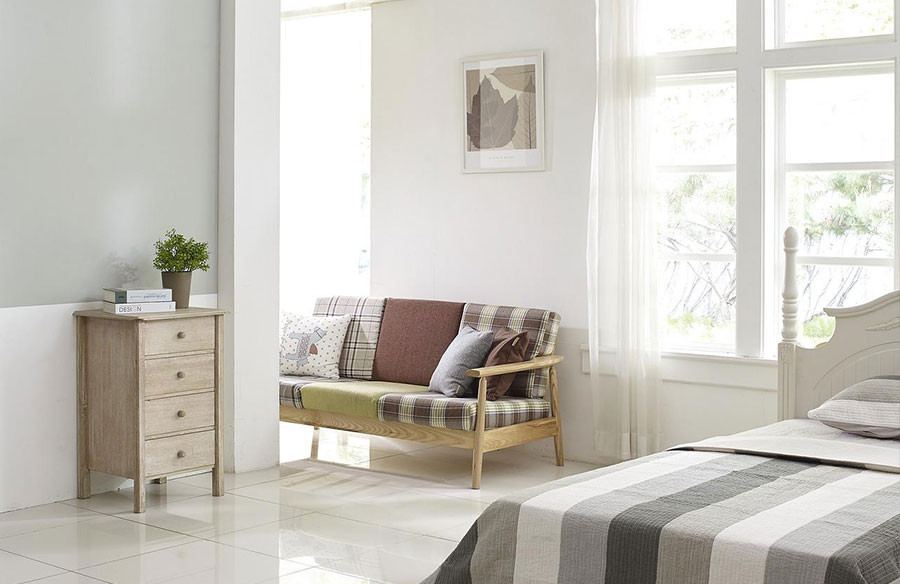
Today’s urban living spaces are often compact, demanding clever design strategies to maximize utility and style. In bustling cities, space is at a premium. Apartments may be small, but they can still feel open with the right layout. Flexible furniture and smart storage solutions make a big difference.
Multi-use areas are common now. A single room might function as a living room, office, and guest bedroom – all in one. Urban dwellers crave designs that adapt to their lifestyles without compromising aesthetics.
In essence, today’s city homes blend functionality with beauty in tight quarters – making every square foot count while maintaining personal style preferences. This is why mid-century modern design offers a practical and aesthetical solution.
Read on to see how these transformative pieces can make urban living a little bit better. Dive in and discover five mid-century modern elements set to redefine urban interiors.
1. The Multifunctional Magic of Daybeds in Urban Apartments
Daybeds are the epitome of a multi-functional furniture piece by combining seating and sleeping areas into one elegant design. In small spaces, they shine as a stylish substitute for bulky sofas or spare beds.
Imagine having friends over without worrying about limited seating. Plus, at retailers like Modern Classics, you can find some iconic daybeds that offer comfort with a touch of elegance and can adapt to any occasion – whether binge-watching your favorite series or hosting overnight guests.
Their sleek design fits neatly into corners or under windows, leaving room to breathe in otherwise cramped quarters. With various materials and colors available, daybeds can match your personal aesthetic while providing unmatched functionality.
2. Organic Shapes for Visual Interest and Space Maximization
Organic shapes create flow and visual intrigue. Unlike harsh angles, curves invite movement and ease. Think about smooth-edged coffee tables or fluid lamp designs – they break the monotony of boxy rooms.
Popularized by designers like Eero Saarinen and Arne Jacobsen in mid-century times, rounded furniture shapes with smooth lines and curves are meant to soften rigid interiors dominated by straight edges.
For instance, round tables fit snugly in corners while maintaining open paths for walking around. Also, the famous Egg Chair, created by Arne Jacobsen, is comfortable and adds an artistic statement to any room. It’s ideal for reading nooks or as a focal point in living rooms, breaking the monotony of straight-lined furniture.
3. Mid-Century Lighting Solutions
Mid-century lighting solutions are interesting even today due to innovative designs, as you can appreciate in pieces like the Arco floor lamp or Sputnik chandelier. Both these items bring flair and practicality to tight quarters.
These pieces brighten spaces but also add character without clutter. Slim profiles and clean lines keep them unobtrusive yet impactful.
The mid-century approach focuses on innovation, like adjustable arms that let you direct light where needed, perfect for multitasking zones common in today’s city homes. With energy-efficient options today, these fixtures honor their past while embracing modern needs.
4. Geometric Patterns and Textures
Geometric patterns and textures add depth without overwhelming the space. Following mid-century designs, bold shapes, and clean lines create visual interest, guiding the eye naturally across a room.
Think about accent walls with triangular or diamond motifs; they break up monotony and add sophistication. A textured rug featuring hexagonal designs anchors a seating area, subtly delineating zones within an open floor plan.
These elements balance simplicity with complexity and invite interaction through touch and sight, elevating otherwise plain surfaces into dynamic focal points. If you have the space, consider sleek furniture with patterned upholstery for an understated yet stylish impact.
To create this effect without adding any extra furniture, you can incorporate geometric cushions or throws to inject color without commitment.
5. Cozy Nooks with Vintage-Inspired Accessories
If you have a nook, cherish it with all your might, as it helps create an oasis of intimacy in an otherwise open plan (most urban dwellings are designed with open spaces in mind, nowadays). To make your nook cozy and welcoming, use vintage-inspired accessories that bring warmth and personality.
Small touches, like a classic armchair draped with a plaid throw nestled next to an antique side table, transform corners into inviting retreats for relaxation or contemplation. Add a retro lamp for a soft light, and you have the perfect spot for sipping coffee or reading your favorite novel.
Layer textures using knitted cushions and rugs for comfort, complementing the clean lines of modern interiors without overpowering them. Display personal trinkets on floating shelves to showcase your unique style.
Lastly, incorporate nostalgic items like rotary phones or mid-century clocks that evoke memories while adding charm. Add a collection of old vinyl records and a pickup, and you’ll be ready to immerse yourself in a warm and cozy world.
Wrap Up
Mid-century elements make today’s urban dwellings a bit cozier and warmer by seamlessly blending style and utility. Classic pieces like iconic daybeds and geometric accents add elegance to small spaces without sacrificing function.