

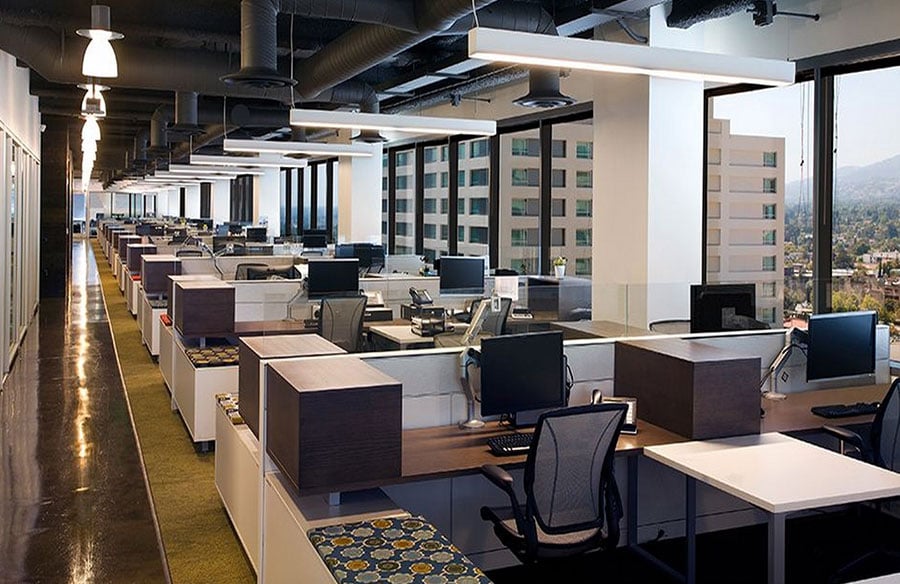
As the world of work continues to evolve, the need for resilient office spaces has become more crucial than ever. A resilient office is one that can withstand various challenges, whether they are natural disasters, economic downturns, or shifts in work culture. For businesses considering options such as office space for lease in Manhattan, or evaluating the services of office rental companies, understanding how to create a flexible and future-proof office environment is key to long-term success.
Understanding the Concept of Resilience in Office Spaces
Resilience in an office context refers to the ability of a workplace to adapt to change and recover from disruptions swiftly. This concept goes beyond just physical durability; it also encompasses the operational flexibility of a business and the well-being of its employees. In today’s unpredictable world, a resilient office space is one that can not only endure physical damage from events like natural disasters but also adapt to shifting business needs and support the mental and emotional health of its workforce.
When searching for office space for lease in Manhattan, it’s essential to look beyond the immediate aesthetics and amenities. Consider how well the space can adapt to future changes and how it supports the overall resilience of your business. This involves a holistic approach that takes into account the physical infrastructure, operational flexibility, and employee well-being.
Building Physical Resilience Through Infrastructure and Design
One of the foundational aspects of creating a resilient office space is ensuring that it has a robust physical structure. This involves selecting an office that is built to withstand potential environmental threats and other physical risks. In Manhattan, for instance, it’s important to choose office spaces in buildings designed to cope with challenges like severe weather and potential flooding.
A resilient office space starts with a building constructed from durable materials and designed according to modern engineering standards. Look for buildings that have been updated to meet the latest building codes, especially regarding seismic resistance and wind durability. The location of the building is also a critical factor. An office space situated in a less flood-prone area or elevated above ground can offer additional protection against water damage.
Accessibility is another aspect of physical resilience. Choosing a location close to major transportation hubs can ensure that employees and clients can reach the office easily, even during emergencies. Furthermore, consider buildings with redundant systems, such as backup generators and multiple internet service providers, to maintain operations during power outages or connectivity issues.
Enhancing Operational Resilience with Flexibility and Adaptability
Operational resilience is about more than just the physical aspects of an office; it’s about how a business can continue to function smoothly despite disruptions. This requires a combination of flexible lease terms, adaptable office layouts, and comprehensive business continuity plans. When working with office rental companies, it’s important to discuss these elements to ensure the space can adapt to changing business needs.
Flexible lease terms are a significant component of operational resilience. In uncertain times, having the ability to adjust your lease agreement—whether it’s expanding, downsizing, or even terminating—provides a level of security. Many office rental companies now offer month-to-month leases or options that allow for easy renewal, which can be beneficial if your business needs change.
The adaptability of the office layout is equally important. Open floor plans and modular furniture arrangements make it easier to reconfigure spaces to accommodate different needs, whether you’re expanding your team or implementing social distancing measures. This flexibility allows you to adapt quickly to changing circumstances without significant costs or disruptions.
A robust business continuity plan is also essential. This plan should outline how your business will maintain operations during various crises, whether through remote work policies, ensuring employees have the necessary tools and technology, or setting up a temporary office space if needed. Having a well-thought-out plan in place can help minimise disruptions and ensure that your business remains operational, regardless of the challenges it faces.
Fostering Emotional Resilience by Supporting Employee Well-being
Emotional resilience is another critical component of a resilient office space. It focuses on creating a healthy, supportive work environment that fosters employee engagement and productivity. When searching for office space for lease in Manhattan, it’s important to consider how the space can contribute to the overall well-being of your employees.
Natural light and ventilation play a significant role in creating a pleasant and healthy work environment. Offices with large windows, skylights, or access to outdoor spaces can significantly improve employee mood and productivity. In addition to natural light, having a good ventilation system that provides fresh air is crucial for maintaining a healthy indoor environment.
Amenities that support employee wellness are also important for fostering emotional resilience. On-site gyms, meditation rooms, and quiet areas for focused work can help employees manage stress and maintain their well-being. Some office rental companies even offer wellness programs, such as yoga classes or mental health workshops, to support the overall health of their tenants.
Creating a sense of community and a positive company culture is another aspect of emotional resilience. This can be achieved through communal areas that encourage socialising, regular team-building activities, and spaces designed to foster collaboration and creativity. A strong sense of community and a positive work culture can help employees feel more connected and engaged, which is crucial for maintaining morale during challenging times.
Leveraging Technology to Enhance Resilience
Technology is a powerful tool for enhancing resilience in office spaces. From digital infrastructure to smart building systems, the right technology can support all aspects of a resilient office.
High-speed internet, secure Wi-Fi, and reliable video conferencing tools are essential for supporting remote work and maintaining communication during disruptions. These technologies ensure that employees can stay connected and productive, regardless of their location.
Smart building systems can also play a crucial role in enhancing the physical resilience of an office space. These systems can monitor building conditions, optimise energy use, and even detect potential maintenance issues before they become major problems. By leveraging smart technology, businesses can ensure that their office spaces are safe, efficient, and well-maintained.
Data security is another critical aspect of resilience. Protecting company data from cyber threats is essential for maintaining operational continuity. This involves implementing robust cybersecurity measures and ensuring that employees are trained to recognise and respond to potential threats. By prioritising data security, businesses can protect their assets and maintain trust with their clients and employees.
Integrating Sustainability into Resilient Office Design
Sustainability is an increasingly important aspect of office resilience. By reducing energy use, minimising waste, and using eco-friendly materials, businesses can create office spaces that are not only better for the environment but also more resilient to external disruptions.
Energy efficiency is a key component of sustainable office design. Buildings with energy-efficient lighting, heating, and cooling systems can provide significant cost savings and reduce the environmental impact of the office. Additionally, implementing recycling programs and reducing paper use can help create a more sustainable workplace.
Buildings with green certifications, such as LEED (Leadership in Energy and Environmental Design) or WELL (which focuses on human health and wellness), are designed to meet high standards for sustainability and occupant well-being. Choosing office spaces in these buildings can contribute to a more resilient and sustainable work environment.
Preparing Your Office for the Future
As we look towards the future, the need for resilient office spaces will only continue to grow. Businesses must be prepared to face a range of challenges, from natural disasters and economic downturns to shifting work styles and technological advancements. By prioritising physical, operational, and emotional resilience, and integrating technology and sustainability, you can create an office environment that is ready for whatever the future holds.
When considering office space for lease in Manhattan or working with office rental companies, it’s important to keep these principles in mind. A resilient office space is not just about surviving the next crisis but thriving in the face of change. By taking a thoughtful and proactive approach, you can create a workplace that supports your business’s growth, protects your employees, and adapts to whatever comes your way.
Ensuring Your Office is Ready for Tomorrow
Creating a resilient office space involves more than just choosing the right location. It requires a comprehensive approach that takes into account physical, operational, and emotional factors, as well as a commitment to sustainability and technological innovation. As you explore office spaces and collaborate with office rental companies, prioritise these elements to ensure your office is ready for the future.
By making the right choices today, you can prepare your business to thrive in any environment, ensuring long-term success and stability in an ever-changing world.







