

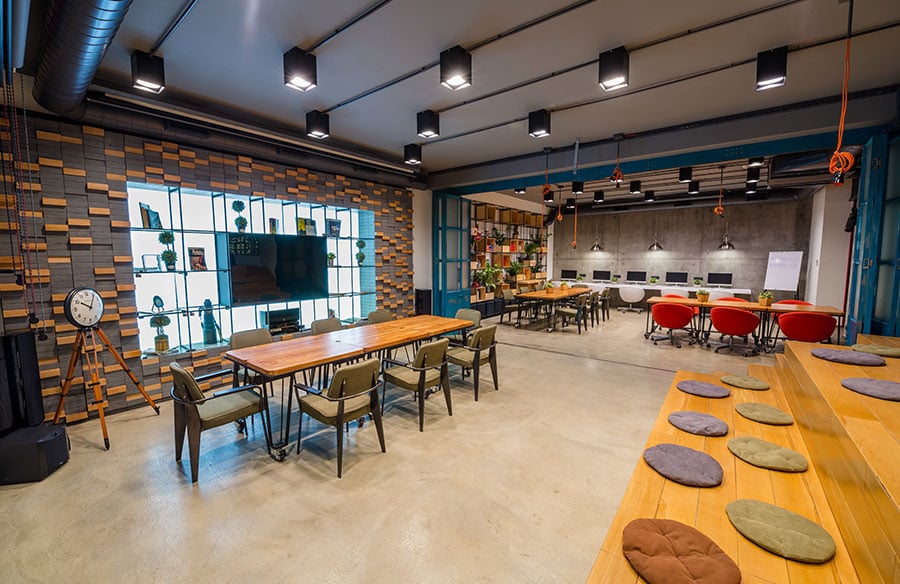
In the ever-evolving landscape of office space design, the 2020s have brought about a significant transformation, driven by a myriad of factors, including technological advancements, shifts in work culture, and the global impact of the COVID-19 pandemic. As businesses and organisations adapt to new ways of working, the design of office spaces has undergone a profound change, reflecting these trends and catering to the needs of the modern workforce. Let’s delve into the most prominent trends shaping office space design in the 2020s, offering insights into how these changes are influencing the workplace environment.
The Rise of Flexible Workspaces
One of the most notable trends in office design in the 2020s is the rise of flexible workspaces. The traditional, rigid office layout with assigned desks and cubicles is being replaced by more adaptable environments that can accommodate various working styles and needs. Flexibility has become a key consideration, with many offices incorporating modular furniture, movable partitions, and multi-functional areas that can be easily reconfigured to suit different activities, from collaborative meetings to quiet, focused work.
This shift towards flexibility is evident in the growing popularity of serviced office spaces, which provide dynamic environments tailored to the needs of modern businesses. For instance, serviced offices in Aberdeen offer a range of adaptable spaces that allow companies to scale quickly, without the burden of long-term commitments.
Emphasis on Wellness and Biophilic Design
The focus on employee wellness has gained significant traction in the 2020s, influencing office design in numerous ways. Biophilic design, which seeks to bring nature into the workplace, has become a major trend as businesses recognise the benefits of incorporating natural elements into the office environment. This can include the use of plants, natural lighting, water features, and materials like wood and stone, all of which help to create a calming and rejuvenating atmosphere that can reduce stress and boost productivity.
In addition to biophilic elements, there is a growing emphasis on creating spaces that promote physical and mental well-being. Modern offices increasingly feature ergonomic furniture, standing desks, and quiet zones for relaxation and meditation. Moreover, wellness amenities such as fitness centres, yoga studios, and outdoor terraces are becoming more common, allowing employees to recharge during their workday.
Technology-Integrated Spaces
As technology continues to advance at a rapid pace, its integration into office design has become more prevalent. The 2020s have seen a surge in the use of smart technology to enhance the functionality and efficiency of office spaces. From automated lighting and climate control systems to digital whiteboards and interactive displays, technology is being harnessed to create more responsive and adaptable work environments.
The rise of remote work has also necessitated the incorporation of advanced communication tools and technologies to facilitate seamless collaboration between in-office and remote employees. Video conferencing equipment, high-speed internet, and cloud-based platforms have become essential components of the modern office, enabling teams to stay connected and productive, regardless of their location.
Hybrid Work Models and the Hub-and-Spoke Office
The pandemic has accelerated the adoption of hybrid work models, where employees split their time between working remotely and working in the office. This shift has led to a reimagining of the traditional office layout, with many companies adopting a “hub-and-spoke” model. In this model, the main office (the hub) is supplemented by smaller satellite offices (spokes) located closer to where employees live.
This approach offers greater flexibility and reduces commuting time while still providing spaces for in-person collaboration and social interaction. The design of these offices often prioritises communal areas, such as lounges and cafes, as well as meeting rooms equipped with the latest technology to support hybrid meetings. Such an approach is seen globally, including in the design of Melbourne serviced office space, where companies are embracing flexible, technology-driven environments to support their hybrid workforces.
Sustainable and Eco-Friendly Design
Sustainability has become a key consideration in office design in the 2020s, as businesses increasingly recognise the importance of reducing their environmental footprint. Eco-friendly design features, such as energy-efficient lighting, recycled materials, and green roofs, are becoming more common in modern office spaces. Additionally, many companies are seeking to achieve sustainability certifications, such as LEED (Leadership in Energy and Environmental Design), which reflect their commitment to environmental responsibility.
Furthermore, sustainable office design extends beyond the physical space to include practices that reduce waste and promote resource efficiency. This can involve initiatives like digital document management to minimise paper use, composting and recycling programmes, and encouraging sustainable commuting options, such as cycling or public transport.
Wrapping Up
As we navigate the 2020s, it is clear that office space design is undergoing a significant transformation, driven by the need for flexibility, wellness, technology integration, hybrid work models, and sustainability. These trends reflect a broader shift towards creating work environments that are more adaptable, supportive, and environmentally conscious, catering to the evolving needs of the modern workforce.







