

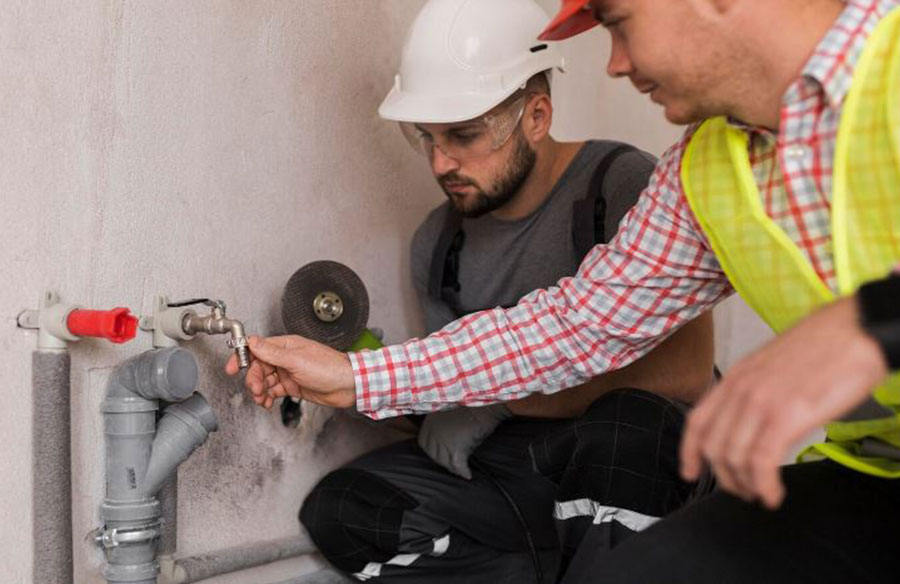
In the network of pipes and tubes that transport vital fluids and gases throughout residential, commercial, and industrial settings, fittings serve as the unsung heroes ensuring seamless and efficient flow. However, even the most robust system can be compromised by a single faulty connection, leading to leaks, inefficiencies, and potential damage. Achieving and maintaining leak-free connections is not merely a matter of convenience; it’s a critical aspect of ensuring the safety, reliability, and longevity of any fluid or gas transport system.
In this comprehensive guide, we’ll learn about proper fitting installation and maintenance, equipping you with the knowledge and techniques necessary to create and preserve leak-free connections. Whether you’re a seasoned professional or a DIY enthusiast, these tips will empower you to tackle your next plumbing or piping project with confidence and precision.
Preparation is Key: Setting the Stage for Success
The first step is selecting appropriate fittings. Consider the specific requirements of your application, including the type of fluid or gas being transported, operating pressure and temperature, and potential exposure to corrosive environments. Factors such as material compatibility, size, and connection type must be carefully evaluated to ensure a perfect fit and optimal performance. Whether you’re working with Midland Metal Mfg. 62510 steel fittings in a demanding industrial setting or opting for the versatility of Midland Metal Mfg. 32027LF brass elbow fittings in a residential plumbing project, selecting the right fittings is paramount.
Before starting any installation or maintenance task, assemble the required tools and materials. This includes wrenches, pipe cutters, thread sealants, pipe dope, and cleaning supplies. Having the right tools at your disposal streamlines the process and minimizes the risk of errors or damage to the fittings.
Proper preparation of pipes and fittings is essential for achieving a secure and leak-free connection. This involves ensuring that the pipe ends are clean, smooth, and free from burrs or debris. For threaded connections, applying a suitable thread sealant or pipe dope can help prevent leaks and ensure a tight seal.
Installation Techniques: Mastering the Art of Connection
Threaded connections are among the most common types found in plumbing and piping systems. Achieving a leak-free threaded connection involves several key steps. It begins with ensuring that the threads on both the pipe and fitting are clean and free from any damage that could impede proper engagement. Next, a thin and even layer of thread sealant or pipe dope is applied to the male threads, acting as a lubricant and sealant to prevent leaks. The fitting is then hand-tightened onto the pipe until it reaches a snug fit. Finally, a wrench is used to further tighten the connection by an additional 1/4 to 1/2 turn, striking a delicate balance between firmness and avoiding overtightening, which could damage the threads or the fitting itself.
Compression fittings, exemplified by the Midland Metal Mfg. 32018LF reducing comp union, present a convenient and dependable alternative for joining pipes without the need for soldering or threading. The essence of a successful compression fitting installation lies in achieving the optimal level of compression. This involves ensuring that the compression nut and ferrule are correctly positioned and seated on the pipe. The nut is then hand-tightened until it comes into contact with the fitting body. Subsequently, a wrench is employed to tighten the nut further, typically by an additional 1/2 to 3/4 turn. The goal is to achieve a firm compression that creates a watertight seal without overtightening and potentially damaging the components.
Solvent weld connections are a prevalent method for joining PVC and CPVC pipes and fittings, particularly in applications where a permanent and leak-proof bond is desired. This technique involves chemically fusing the pipe and fitting together using a solvent cement, creating a seamless and robust connection. Before applying the solvent cement, ensure that the pipe and fitting surfaces are clean, dry, and free from any contaminants that could hinder adhesion. A primer is then applied to both surfaces, softening the plastic and enhancing the bonding process. A generous and even layer of solvent cement is applied to both the pipe and fitting, and the two are quickly joined and held in place for the manufacturer-specified cure time.
Maintenance: Preserving the Integrity of Your Connections
Regular inspections of your plumbing or piping system are needed to identify potential leaks or signs of wear and tear. Look for any visible signs of moisture, drips, or stains around fittings and connections. Pay close attention to areas prone to movement or vibration, as these can stress the connections and lead to leaks over time.
Over time, vibrations, thermal expansion, and other factors can cause connections to loosen slightly, potentially leading to leaks. If you notice any loose connections during your inspections, carefully tighten them using the appropriate tools. Be mindful not to overtighten, as this can damage the fitting or the pipe.
If you discover a leak, address it promptly to prevent further damage and water waste. Depending on the severity and location of the leak, you may be able to repair it yourself using readily available tools and materials. However, for more complex or persistent leaks, it’s advisable to seek the assistance of a qualified plumber or technician.
Fittings, like any other component, have a finite lifespan. Over time, they can become worn, corroded, or damaged, compromising their ability to maintain a leak-free seal. If you notice any signs of significant wear or damage, it’s best to replace the fitting proactively to prevent future leaks and potential system failures.
Conclusion
Leak-free connections in plumbing ensure the safe, efficient, and reliable operation of your system, protecting your property and investments. By adhering to proper installation techniques, conducting regular inspections, and addressing any issues promptly, you can significantly reduce the risk of leaks and ensure the longevity of your system.
Whether you’re working with Midland Metal Mfg. 62510 steel fittings, Midland Metal Mfg. 32027LF brass elbow fittings, or any other type of fitting, remember that meticulous attention to detail and a commitment to quality are key to achieving leak-free connections. By following the tips and guidelines outlined in this article, you can confidently tackle your next plumbing or piping project and create a system that performs flawlessly for years to come.







