

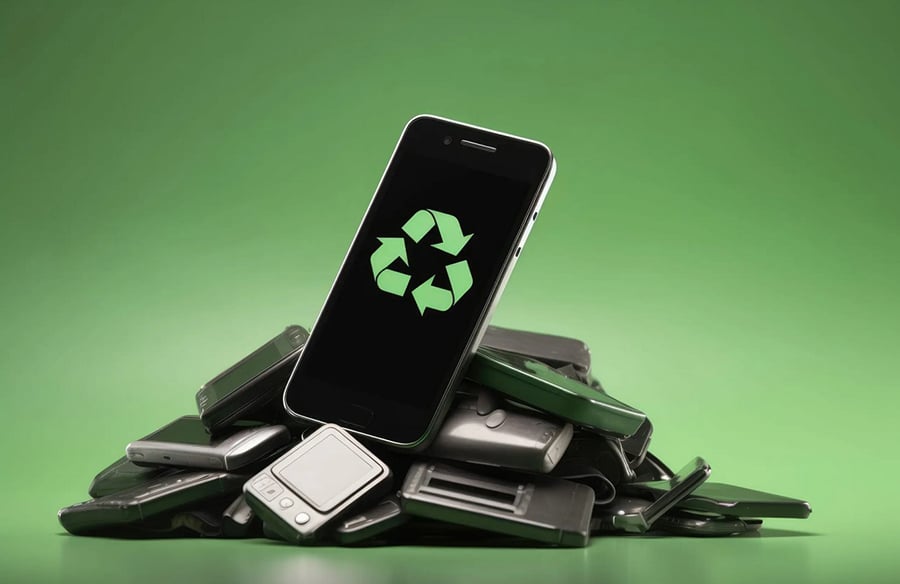
When it comes to our electronics, most of us are concerned with which new device to get or upgrade to or what features to look for in the next device. Unfortunately, very few people think about what happens to our old gadgets. Yet, these discarded devices often contribute to a growing environmental problem—e-waste. Instead of letting old, functional gadgets become part of this growing issue, we can embrace more sustainable practices. Recycling, donating, or repurposing electronics are just a few ways to reduce e-waste. One particularly effective approach is selling your old devices. For instance, if you’re wondering where to sell used laptops, there are many platforms, both online and offline, that make it easy to trade in your device for cash or credit.
5 Ways You Can Reduce E-Waste
To address the pollution problem, some steps can be taken to ensure that we minimize our electronic waste for the benefit of our environment.
-
Buy Refurbished
Whenever you are looking to purchase an electronic device, it wouldn’t hurt to consider getting a refurbished one. They offer a sustainable option to the old waste management practice. Since they undergo extensive repair, refurbishment, and testing to get them to a completely functional state, you can rely on them to be dependable and useful as well.
-
Sustainability
When it comes to packing, businesses are usually urged to choose eco-friendly or minimal items because excessive packaging adds needless trash to the environment. Additionally, businesses and goods that emphasize sustainable packaging material are recommended to consumers.
-
DIY Projects
Consider repurposing or upcycling your old devices to create something new, as opposed to throwing them away. For example, an old laptop can be transformed into a home server, media center, or even a digital photo frame. If you’re not tech-savvy, there are simpler projects too. Old keyboards can be turned into quirky desk organizers, and phone cases can be repurposed into wallet-sized storage solutions.
-
Repair and Maintenance
You should promote the habit of maintaining and repairing your devices as often as possible to ensure that you prolong your device lifespan. This includes the minor issues that you might have with your devices and regular upkeep. This will extend the duration to which they will be able to maintain their usefulness and reduce their need for replacements.
-
Proper Disposal
Engaging in responsible e-waste disposal ways like decent recycling programs ensures the valuable materials from these old electronic devices are recovered and the hazardous substances are handled safely. Many electronics contain precious metals like gold, silver, and copper, which can be extracted and reused in new products. Proper disposal through legitimate recyclers ensures these materials don’t go to waste and that toxic components, such as mercury and lead, are prevented from contaminating the environment.
Why You Should Not Discard Electronics
Among the many kinds of waste accumulating out there in the world today, e-waste (electronic waste) is in the lead, with the average person producing up to 8 kilograms of e-waste every year. As if that is not enough, there are around 347 metric tons of unrecycled e-waste already on the planet.
The key toxins that are found in electronics include cadmium, mercury, and lead which end up being exposed when equipment breaks down.
PCBs and flame retardants from those old gadgets leach into the water and soil. In addition to causing environmental harm, they also negatively impact human health. If not contained correctly, the toxic chemicals that come from those devices negatively impact our bodies. Lead in particular when they reach high levels can cause serious damage to the reproductive and nervous systems. It is especially harmful to young children whose brains are still developing.
Embracing Refurbished Electronics
Even though people have varying opinions on them, choosing these gadgets over getting new does come with benefits to the environment. They give a second life to devices that were previously usable and reduce the volume that would otherwise end up in landfills. Resources are also conserved, and the carbon emissions that result from making and transporting new electronics are avoided. In addition to that they are also affordable, thus an attractive option for budget-conscious consumers.
Conclusion
To sum up, remember that the majority of the electronics we use may be recycled, so think about your options before discarding them. In addition to that, remember to consume them moderately and mindfully. Only get devices that you need and take good care of them in terms of repairs and maintenance to ensure longevity.







