

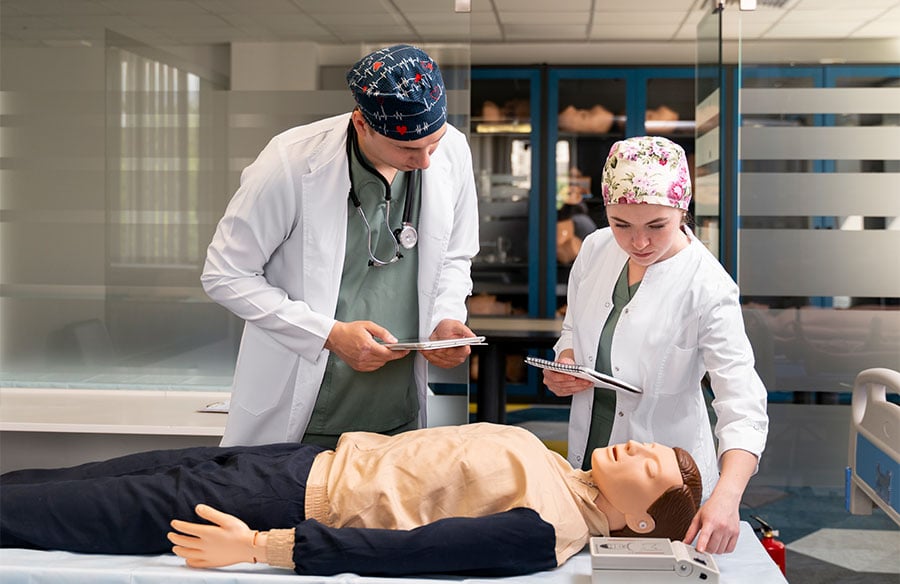
Emergency services play a vital role in protecting the health, safety, and well-being of individuals in our communities. From fire services to law enforcement, paramedics, and other first responders, these professionals are the backbone of crisis management. However, stepping into such an essential role requires more than just enthusiasm and a desire to help others. Comprehensive and effective training is crucial to ensure that you have the skills and knowledge to thrive in such a high-pressure environment.
In this article, we will explore how well-structured training can help you prepare for a successful career in emergency services, and what aspects of training are the most important to focus on.
Why Training Matters in Emergency Services
The nature of emergency services demands quick decision-making, adaptability, and the ability to stay calm under pressure. Emergency personnel often find themselves in life-or-death situations where their actions can determine the outcome for someone in need. Whether you are a firefighter running into a burning building or a paramedic responding to a severe car accident, your training will guide your actions.
Training ensures that you develop the technical skills, mental resilience, and teamwork necessary to handle these types of emergencies. Without proper preparation, you may find yourself overwhelmed, leading to mistakes that could cost lives. Simply put, effective training is the foundation upon which a successful career in emergency services is built.
Developing Core Skills
One of the key components of any emergency services training is the development of core skills. Each field within the emergency services sector has specific technical requirements that must be mastered. For example:
- Firefighters need to learn about fire suppression techniques, how to handle hazardous materials, and perform search-and-rescue operations.
- Police officers are trained in law enforcement procedures, conflict resolution, and emergency response tactics.
- Paramedics are required to understand advanced medical protocols, life support techniques, and patient care.
These technical skills are essential for performing your role effectively, but they also go beyond mere knowledge. Practical training allows you to simulate real-life situations, giving you hands-on experience that can be applied in actual emergencies. The more you practice, the better prepared you will be when faced with the real thing.
Physical Preparedness
A career in emergency services demands a high level of physical fitness. Whether you are a paramedic lifting patients or a firefighter carrying heavy equipment, your body must be prepared for the physical challenges of the job. Training programs typically include a strong focus on physical conditioning, ensuring that you are not only fit enough to handle the demands of the role but can also maintain peak performance under extreme stress.
Being physically fit also contributes to your mental resilience, which is equally important in emergency services. The ability to stay focused and sharp during physically demanding tasks can make a significant difference in your overall performance.
Mental and Emotional Resilience
Handling emergencies on a regular basis can take a toll on your mental and emotional health. Training in emergency response services includes preparing you for these psychological challenges. Understanding how to manage stress, process traumatic events, and maintain emotional balance is crucial for long-term success in the field.
Many training programs incorporate stress management techniques, such as breathing exercises or mindfulness practices, that help build mental resilience. Additionally, learning to work through difficult scenarios in a controlled environment helps you develop coping mechanisms for high-pressure situations. This allows you to remain calm, think clearly, and make better decisions even when you are in the midst of chaos.
Beyond your own mental health, training will also teach you how to provide emotional support to those around you, both your colleagues and the people you serve. Whether it’s calming a panicked victim or working with your team during a difficult rescue, your emotional intelligence will be key to your success.
The Importance of Teamwork
Emergency services professionals rarely work alone. Whether it’s a fire crew entering a burning building together, paramedics providing life-saving care on the scene of an accident, or police officers responding to a critical incident, teamwork is at the heart of emergency response.
Training programs place a strong emphasis on developing teamwork skills. You will learn to communicate effectively under pressure, coordinate your efforts with others, and rely on your team to complete complex tasks. Knowing that you can trust your colleagues to back you up is vital when every second counts.
Moreover, teamwork in emergency services often involves working with professionals from other agencies. For instance, firefighters, paramedics, and police officers may all respond to the same emergency. Training teaches you how to collaborate with different groups, share information efficiently, and ensure that everyone is working toward the same goal.
Adaptability and Problem-Solving
In emergency services, no two days are the same. Every incident presents unique challenges, and you must be prepared to adapt quickly. Effective training will hone your problem-solving skills, teaching you to think critically and make fast decisions in unpredictable situations.
You will learn how to assess situations, prioritise tasks, and find creative solutions to complex problems. Whether you’re determining the best way to evacuate people from a dangerous situation or figuring out how to administer medical care with limited resources, the ability to think on your feet is an invaluable skill in emergency services.
Through scenario-based training, you will experience a wide range of emergency situations, allowing you to practice and refine these skills. The more varied your training, the better prepared you will be to handle whatever comes your way.
Keeping Up with Continuing Education
The field of emergency services is always evolving. New technologies, medical advancements, and updated safety protocols are constantly being introduced. As such, your education doesn’t stop once you’ve completed your initial training. To maintain your effectiveness, you will need to engage in ongoing education throughout your career.
Many emergency services organisations offer continuing education programs, allowing you to stay current with the latest developments in your field. Whether it’s learning about new firefighting equipment, updates in medical procedures, or improved communication tools, staying informed ensures that you are always ready to deliver the best possible care and response.
The Path Forward: Applying Your Training
Training for a career in emergency services is no small task. It requires dedication, focus, and a willingness to continuously improve. By engaging in rigorous training, you will develop the technical skills, physical fitness, mental resilience, and teamwork abilities necessary to thrive in this challenging field.
Remember, the better prepared you are, the more confident and capable you will be when it’s time to step up in a crisis. Trust in the training process, and you will be well on your way to a rewarding and impactful career in emergency services.







